
Keiko Fujimori: Peruvian politician and leader of Fuerza Popular
Keiko Fujimori, daughter of Alberto Fujimori, is a Peruvian politician who leads Fuerza Popular, was First Lady in the 1990s, served in Congress, and ran for president three times amid legal controversies.
Overview
Keiko Sofía Fujimori Higuchi (born 25 May 1975) is a Peruvian politician best known as leader of the right‑leaning party Fuerza Popular (Popular Force). She is the eldest daughter of former president Alberto Fujimori and first entered public life during his administration. Her political career combines a prominent electoral presence, leadership of a major political movement derived from her father's legacy (often called Fujimorismo), and sustained controversy related to campaign financing and governance.
Image gallery
8 Images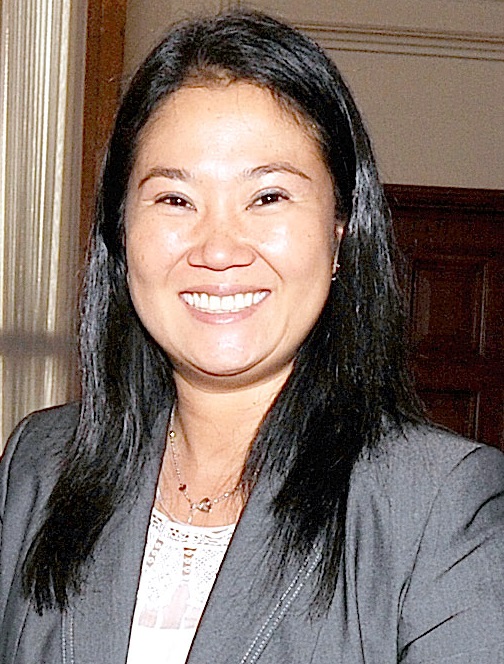


Early life and role as First Lady
After her parents separated, Keiko Fujimori assumed ceremonial duties associated with the office of the First Lady from 1994 until 2000, becoming widely noted for her youth while serving in that role. Her visibility in the 1990s established name recognition that later supported her transition to elected politics. Observers have linked her early public profile to both the popular and polarizing aspects of her father's administration.
Entry into elected office and party leadership
Fujimori entered elective politics in 2006 when she won a seat in the Peruvian Congress. She subsequently helped organize and lead Fuerza Popular, a party that channels many themes of Fujimorismo: emphasis on security and public order, market‑friendly economic policies, and a strong executive branch. Under her leadership the party became one of Peru's principal political forces, particularly in the 2010s.
Presidential campaigns
Keiko Fujimori was her party's presidential candidate in several national elections and advanced to runoffs in 2011 and 2016. She ran again in 2021 and was narrowly defeated in a contested result against Pedro Castillo. Her repeated candidacies made her a central figure in Peru's polarized politics and turned the question of the Fujimori legacy into a recurring electoral issue.
Political positions
- Security and rule of law: she has emphasized stronger measures to combat crime and corruption, reflecting themes common in Fujimorismo.
- Economic policy: generally market‑oriented, with attention to stability and attracting investment.
- Institutional balance: supporters view her as pragmatic and managerial; critics warn about risks to democratic checks and balances if strong‑executive tendencies prevail.
Legal controversies and investigations
Fujimori has been the subject of investigations related to campaign financing, including inquiries linked to the larger Odebrecht corruption scandal that affected multiple countries in Latin America. She was arrested on 10 October 2018 as part of inquiries into alleged illicit contributions and money‑laundering connected to campaign funds; she and her allies have denied criminal intent and legal processes in these matters have involved multiple appeals and judicial steps. Reporting and court activity around these cases have been an ongoing component of her public life and of broader debates about accountability in Peru (Odebrecht investigations).
Public reception and legacy
Keiko Fujimori remains a polarizing figure: she retains a base of supporters who credit Fujimorismo with economic pragmatism and decisive governance, while opponents emphasize concerns about authoritarian practices, human rights, and the need for accountability for past abuses. Her career illustrates the resilience of personalized political movements in Peru and the complexities that arise when political inheritance and legal scrutiny intersect. Analysts continue to debate her long‑term influence on Peruvian politics and democratic institutions.
Further reading
For context on related topics, see entries on her father Alberto Fujimori, the institutional role of the First Lady, and broader reporting on the Odebrecht regional investigations.
Author
AlegsaOnline.com Keiko Fujimori: Peruvian politician and leader of Fuerza Popular Leandro Alegsa
URL: https://en.alegsaonline.com/art/140770