
Abolhassan Banisadr — Iran's first post‑revolution president
Iranian economist and politician, first president after the 1979 revolution; served 1980–1981, removed by impeachment, later lived in exile and remained a vocal critic and human rights advocate.

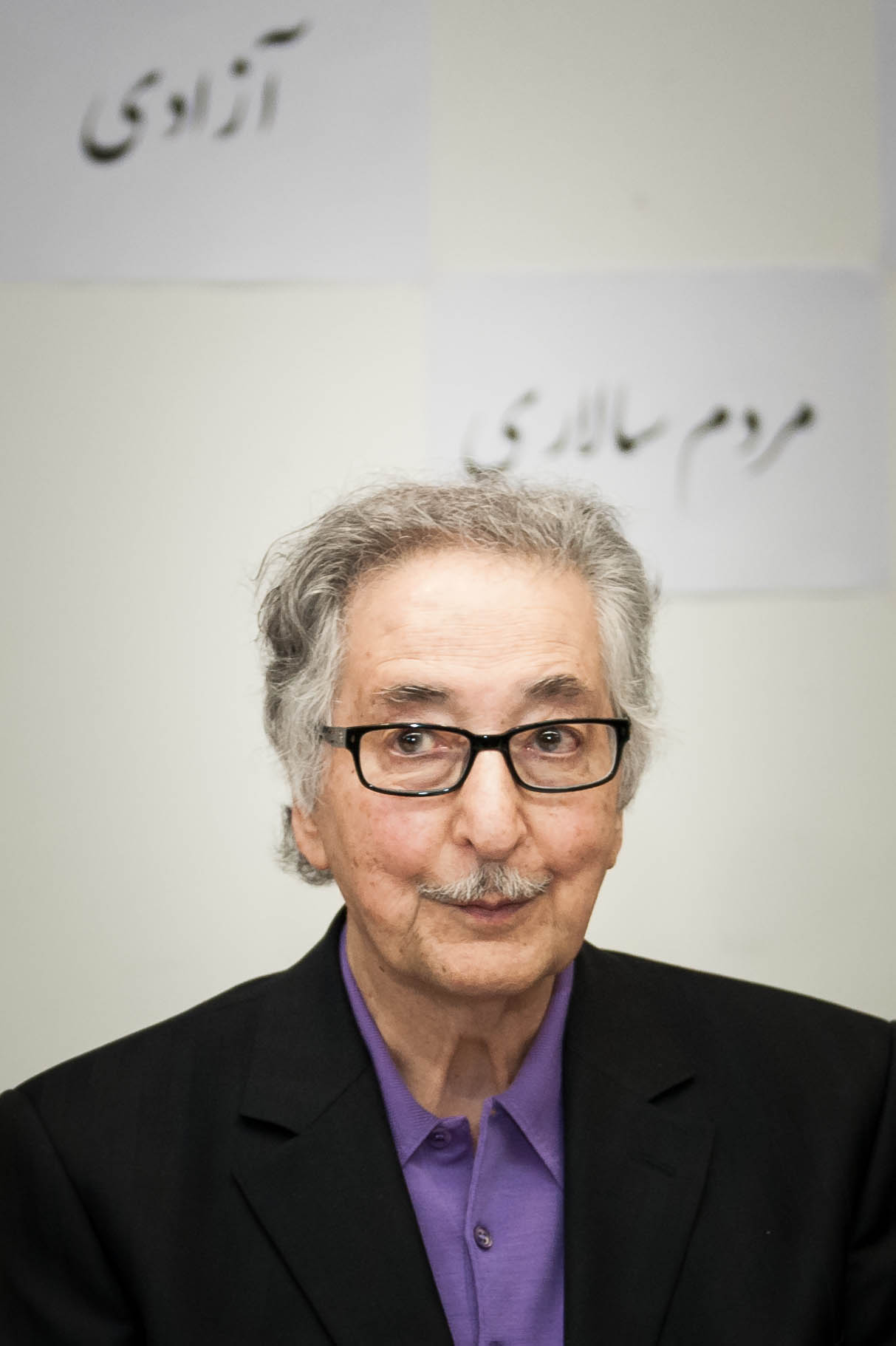
Abolhassan Banisadr (Persian: سیِّدابوالحسن بنیصدر; 22 March 1933 – 9 October 2021) was an Iranian economist, politician and human rights advocate who became the first president of the Islamic Republic of Iran following the 1979 revolution. He assumed office on 4 February 1980 and held the presidency until his impeachment on 21 June 1981. His political career and subsequent exile made him a prominent and controversial figure in modern Iranian history.
Image gallery
4 Images

Early life and background
Banisadr was trained as an economist and took part in political activities opposed to the Pahlavi monarchy. His technical education and interest in fiscal policy informed his approach to governance after the revolution, when economic reconstruction and nationalization debates were central. He described himself as committed to civil liberties and social justice, positions that later led him into conflict with other revolutionary leaders and clerical authorities.
Presidency and political conflict
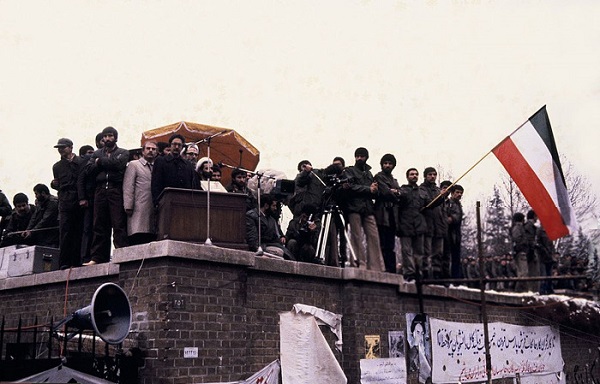
After the abolition of the monarchy and the success of the 1979 Iranian Revolution, Banisadr was elected president in early 1980. His tenure focused on rebuilding institutions, stabilizing the economy and managing the immediate aftermath of revolutionary upheaval. He often clashed with powerful clerical bodies and the emerging theocratic leadership over the balance between executive authority and clerical oversight. These tensions escalated amid the Iran–Iraq War and internal political violence, contributing to his impeachment by the parliament in June 1981.
Impeachment, exile and later life
Following his impeachment, Banisadr fled Iran and eventually settled in Europe, where he continued political activity in exile. He worked with opposition groups, wrote on human rights and critiqued the Islamic Republic's direction. He remained a vocal advocate for political freedoms and expressed concern about restrictions on dissent inside Iran. Banisadr died in a hospital in Paris on 9 October 2021 at the age of 88.
Legacy and significance
Banisadr's brief presidency is often examined as an early struggle over the nature of post‑revolutionary governance in Iran: secular administrative authority versus clerical dominance. Supporters remember him as a defender of civil liberties and a pragmatic economist; critics saw him as politically isolated and ineffective in the face of factional pressures. His life after exile kept him visible as a commentator on human rights and the future of Iranian politics.
Notable facts
- He was the inaugural holder of the office of President under the new constitution.
- Banisadr identified with human rights causes and engaged with international advocates during his exile (human rights context).
- His political rise and removal occurred against the broader backdrop of revolutionary change and war in the region.
For further reading and primary documents, consult dedicated biographical collections and historical studies of the 1979 revolution and its aftermath. Related topics include the structure of post‑revolutionary government, the role of clerical institutions, and the experience of political exiles from Iran.
Related articles
Author
AlegsaOnline.com Abolhassan Banisadr — Iran's first post‑revolution president Leandro Alegsa
URL: https://en.alegsaonline.com/art/113253
Sources
- answers.com : Abolhasan Bani Sadr