
President of Iran: Role, Selection, Powers, and Limits
Comprehensive overview of the President of the Islamic Republic of Iran: selection process, constitutional powers and constraints, relationship with the Supreme Leader, history, and notable functions.
Overview
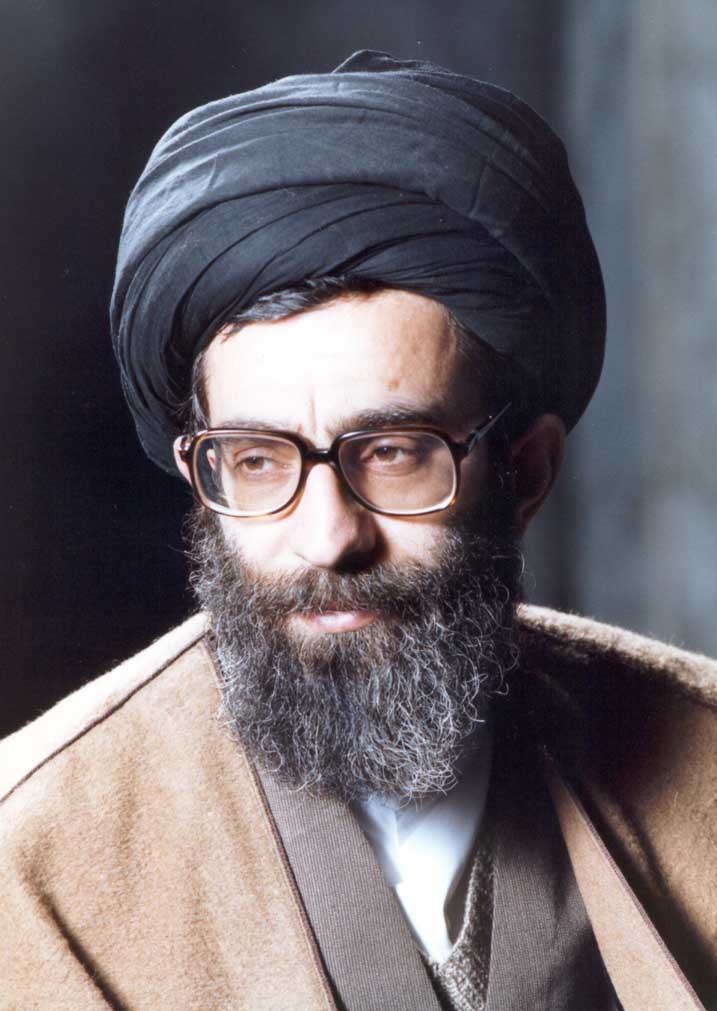
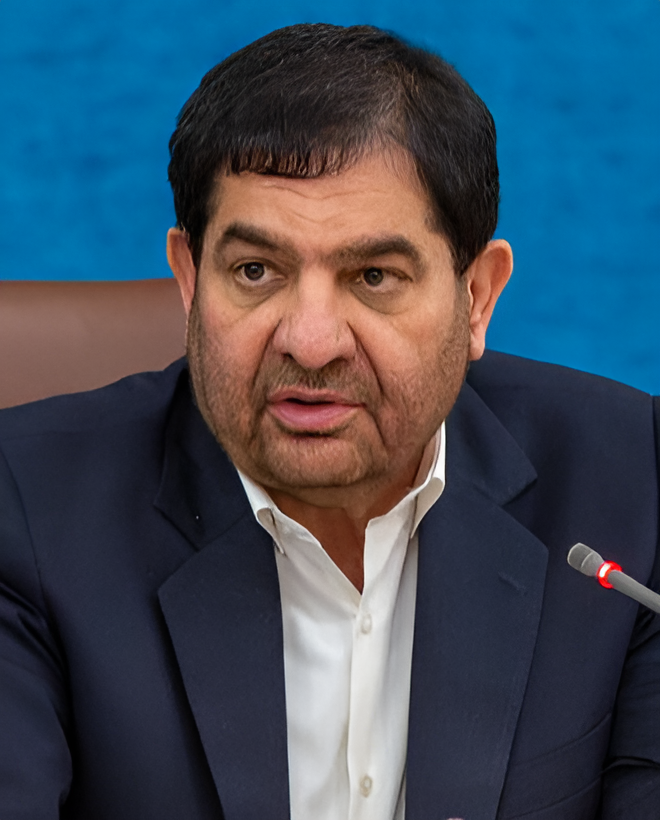
The President of the Islamic Republic of Iran is the country's highest popularly elected official and the head of government in Iran's constitutional structure. The office is distinct from the position of Supreme Leader, which holds the highest state authority. The presidency carries responsibility for running the executive branch, proposing and implementing domestic policy, and representing the government in many official settings.
Image gallery
10 Images




Powers and duties
The constitution assigns the president a range of executive functions. Typical responsibilities include forming a cabinet (subject to parliamentary approval), administering government ministries, preparing the national budget, and signing legislation into law. The president also oversees day-to-day governance, chairs cabinet meetings, and may lead delegations on official state visits.
- Proposes ministers and government programs to the parliament.
- Implements laws approved by the legislature.
- Manages the administration and public services.
- Represents the executive branch in domestic and many international forums.
Selection, qualifications and term
Presidential elections in Iran are conducted by popular vote. Prospective candidates must meet constitutional and statutory qualifications and are vetted by the Guardian Council before appearing on the ballot. The president serves a four-year term and may be re-elected, subject to the limits set by law. The electoral process and candidate review are central elements of how the office is filled; for procedural details see constitutional provisions and official election guidance at electoral authorities.
Relationship with the Supreme Leader
A defining feature of Iran's political system is the division of authority between the president and the Supreme Leader. The Supreme Leader holds ultimate responsibility for key areas such as foreign policy direction, control of the armed forces, major security decisions, and appointment of senior state officials. The president operates within this framework and is subordinate to the Supreme Leader on matters defined by the constitution and by political practice. For context on the superior constitutional role, see Supreme Leader functions.
Historical development and examples
The office was created by the post‑revolutionary constitution of 1979 and has evolved through successive administrations. Different presidents have emphasized varied priorities—economic reform, social policies, or international engagement—depending on their political platforms and the broader balance of power at the time. Notable aspects of presidential history include shifts in domestic reform agendas, varying approaches to international negotiations, and changes in the relationship between executive institutions and other centres of power in Iran.
Limits, checks, and notable features
The presidency is constrained by institutional checks: parliamentary approval of ministers and laws, judicial constraints, and the supervising authority of the Guardian Council and the Supreme Leader. Candidate vetting, oversight of elections, and the allocation of crucial security and foreign policy responsibilities to the Supreme Leader distinguish Iran's presidency from many heads of government in other republics. For more on institutional oversight and candidate review, consult information on the Guardian Council at Guardian Council review.
Significance and further reading
Despite constitutional limits, the president remains an influential figure in Iranian politics because of the office's control over administration, economic policy, and public-facing governance. Presidents can shape policy implementation, propose reforms, and affect day-to-day life for citizens. For a general introduction and additional sources, see further reading.
Related articles
Author
AlegsaOnline.com President of Iran: Role, Selection, Powers, and Limits Leandro Alegsa
URL: https://en.alegsaonline.com/art/78835