
63 Building (63 City) — Seoul skyscraper and cultural complex
Landmark skyscraper on Yeouido in Seoul, completed 1985. Noted for its gold-colored facade, mixed-use program (offices, aquarium, observatory, IMAX) and symbolic role in South Korea’s rapid modernization.
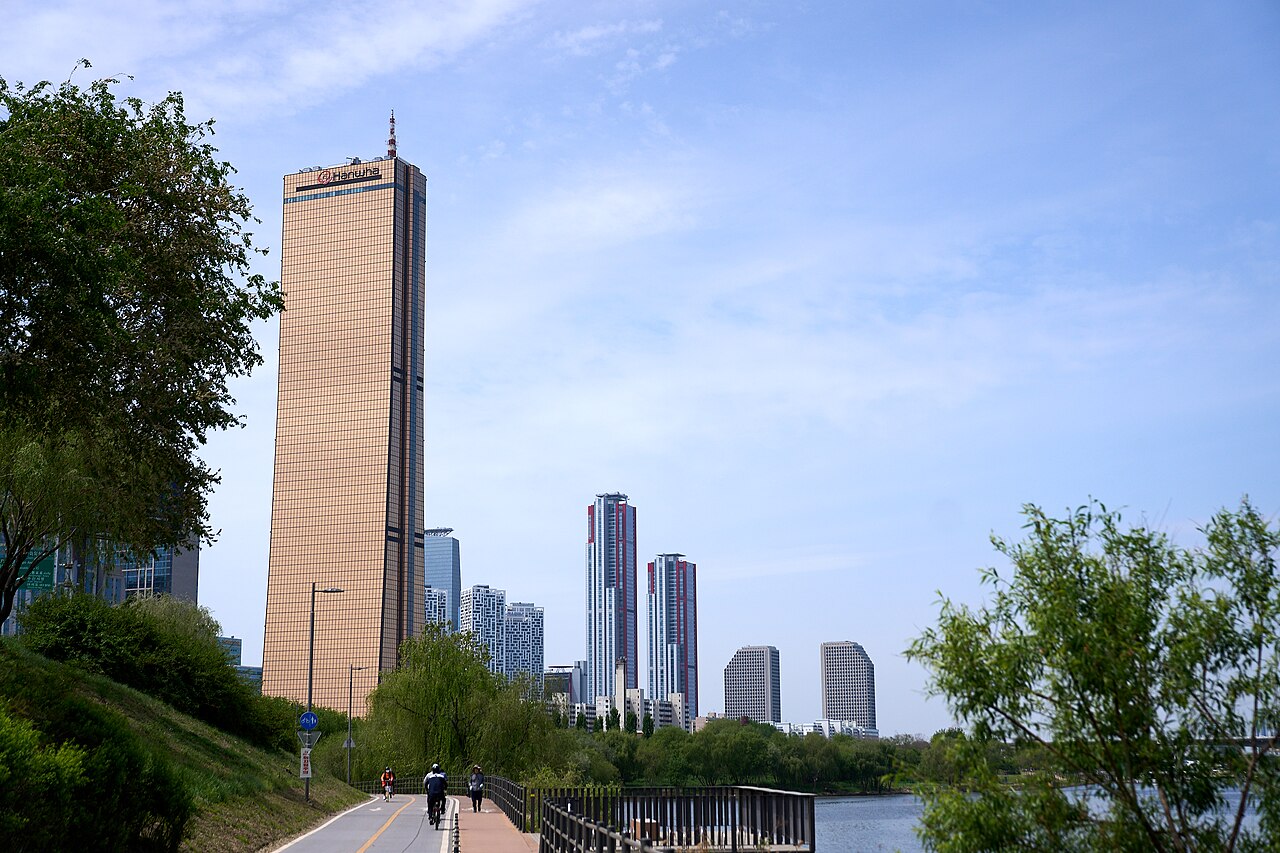
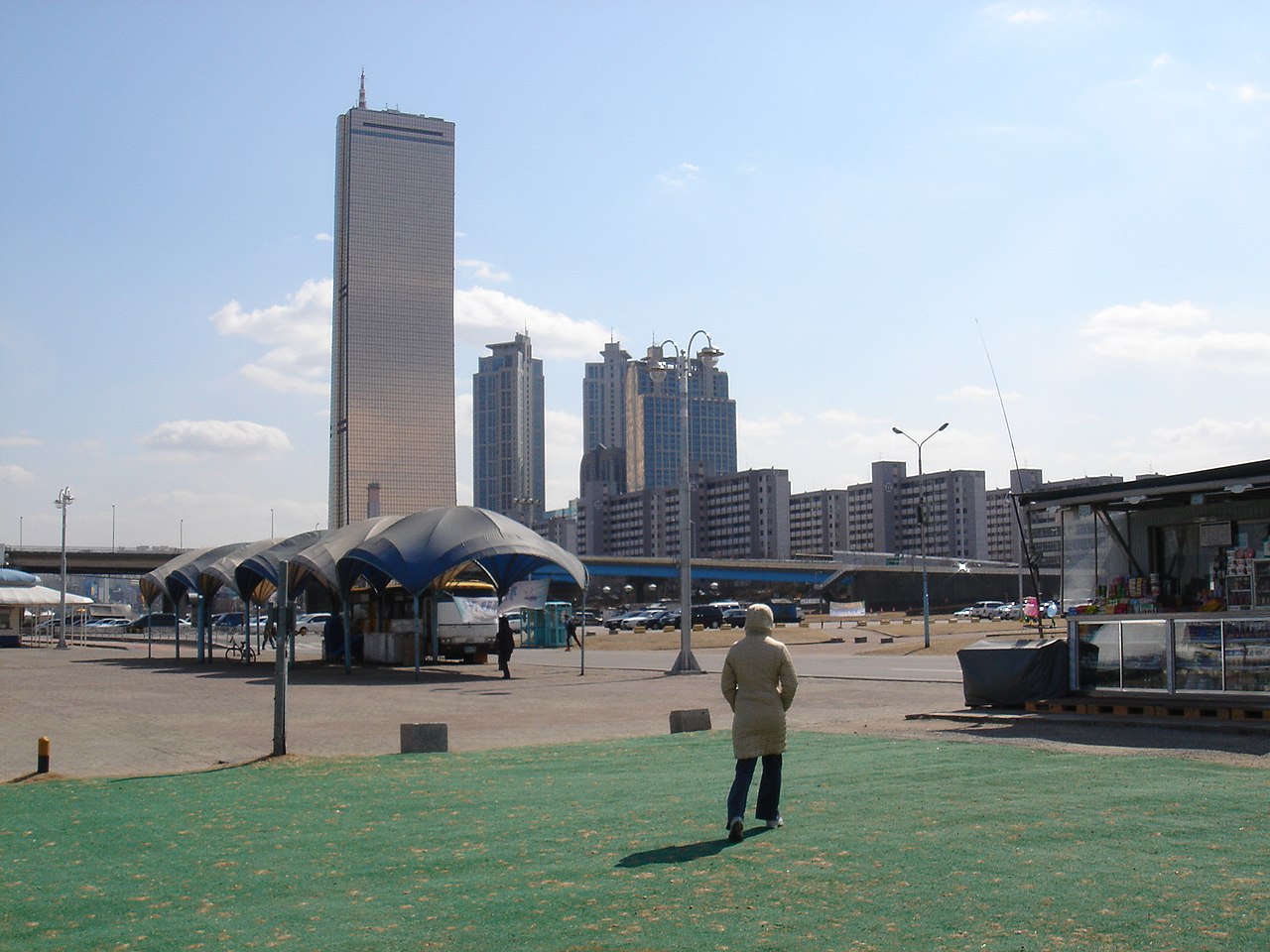
The 63 Building, commonly called "63 City," is a landmark skyscraper on Yeouido in the Yeongdeungpo district of Seoul. Completed in May 1985 after construction began in 1980, the tower contains 66 storeys in total: 63 floors above ground and three basement levels. Developed by the Hanhwa Group, it was conceived during a period of rapid economic growth and was intended as a visible symbol of national progress and modernity. For its distinctive reflective gold-colored facade and prominent riverside siting beside the Han River, it has become one of Seoul’s most recognised skyline icons.
Image gallery
7 Images



Design and structure
The building’s structural and architectural composition separates functions by level. Corporate offices and commercial spaces occupy the lower and middle zones, while public attractions and dining areas are grouped near the top to take advantage of views. Three basement floors accommodate mechanical systems, parking and service areas. The exterior’s warm metallic appearance is produced by tinted glass and metal cladding rather than solid gold; this finish gives the tower its signature gleam under sunlight and at night.
Construction and early significance
Constructed between 1980 and 1985, the 63 Building was one of the tallest structures in East Asia at the time of its opening and reflected a national desire to demonstrate technological and economic advancement. The project sought to rival contemporary high-rise developments elsewhere in the region and to provide a mixed-use destination that combined business, culture and tourism. Over time taller skyscrapers have been built in Korea and across Asia, but the tower remains an important marker of the country’s late 20th-century modernization.
Public attractions
A major part of the tower’s appeal is its array of publicly accessible attractions. The building has long housed an aquarium called 63 Sea World, an IMAX theater and an observation area with exhibition space often referred to as "63 Sky-art." The aquarium opened soon after the tower’s completion and has displayed a large variety of marine species, including some rare or notable specimens at various times. The IMAX theater was among the earliest large-format screens in Korea, and the observation zones offer panoramic views of the Han River and the surrounding cityscape.
Dining and visitor facilities
Upper floors include restaurants and buffet-style dining that attract both residents and visitors. Some of these dining venues aim to provide fine-dining experiences combined with views, while other food courts serve casual visitors. The tower’s event and exhibition spaces have been used for rotating shows, cultural programs and corporate gatherings.
Elevators, access and transport
The building was fitted with a bank of high-speed elevators when it opened; the original lifts, supplied by an international manufacturer, were notable for rapid vertical travel and remain a practical element of the visitor experience. Public transport access is straightforward: nearby subway services connect the island of Yeouido to the wider Seoul Metro network, and road links and riverfront promenades make the site easily reachable from central districts.
Legacy and management
Now managed as a mixed-use complex, the 63 Building continues to function as office space while promoting tourism and cultural activity. It is often referenced in discussions of Seoul’s postwar urban transformation and is commonly included on visitor itineraries for those seeking city views and family attractions. The property has undergone maintenance and periodic updates to visitor facilities to meet contemporary standards while preserving its historic role as an emblem of a dynamic period in South Korea’s growth.
Further information and links
- Building location and overview: 63 Building.
- Yeouido district context: Yeouido.
- City context: Seoul.
- National context and competing towers: Northeast Asia Trade Tower.
- Historic comparison: Sunshine 60.
- Tokyo and regional background: Tokyo.
- Marine exhibition at the tower: 63 Sea World.
- Large-format cinema reference: IMAX.
- Dining options and buffet: Buffet Pavilion.
- On-site restaurants and facilities: restaurant information.
- Notable marine specimens that have been displayed: oceanic species.
This entry summarises the 63 Building’s history, architecture and functions as a continuing urban landmark. For visiting details, opening hours and current exhibitions consult official sources and local visitor information before planning a trip, since offerings and access may change over time.
Related articles
Author
AlegsaOnline.com 63 Building (63 City) — Seoul skyscraper and cultural complex Leandro Alegsa
URL: https://en.alegsaonline.com/art/113010