
Skyscraper: Definition, Design, History, and Urban Role
Comprehensive overview of skyscrapers: what defines them, structural and architectural features, historical development, uses in cities, and distinctions like supertall and megatall.
Overview
A skyscraper is a very tall, continuously habitable high-rise building that rises far above the surrounding urban fabric. Most authorities use a height threshold to distinguish skyscrapers from ordinary high-rises; a common benchmark is roughly 150 metres (about 500 feet), though the exact cutoff varies by source. Skyscrapers concentrate workplaces, homes and services on small ground footprints, altering skylines and allowing denser land use in central business districts.
Image gallery
10 Images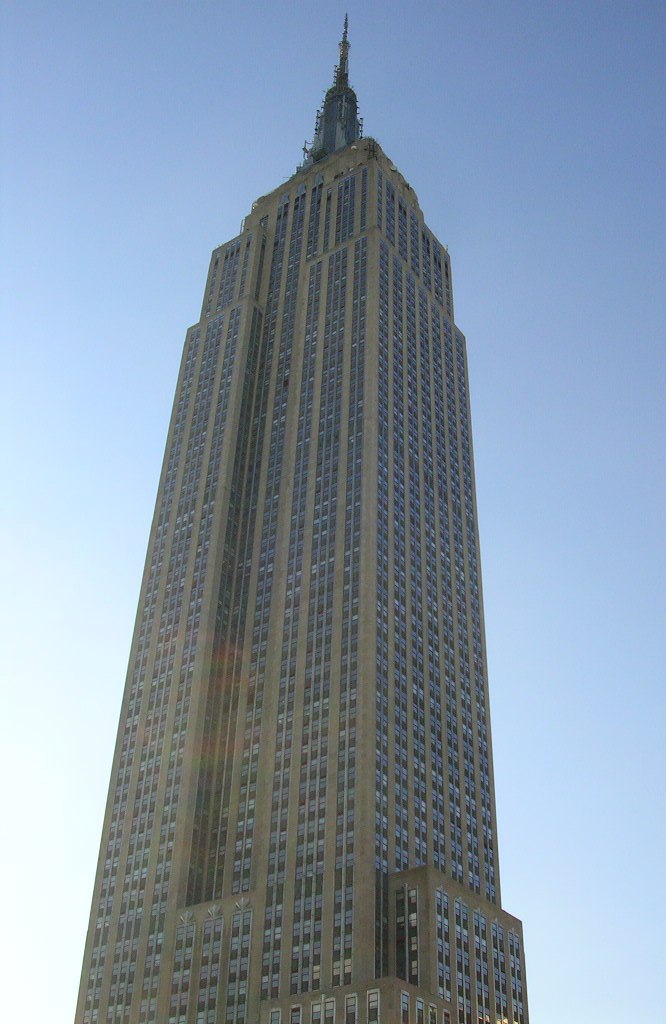


Characteristics and parts
Typical elements of a skyscraper include a rigid vertical structural system (steel or reinforced concrete), deep foundations to transfer loads to strong soils or rock, a curtain wall or façade that envelopes the frame, and vertical transport such as passenger and service elevators. Mechanical floors, fire-stair cores and tuned mass dampers for wind control are common technical features. Façade systems and glazing are important for daylighting, energy performance and weather resistance.
Structure, engineering and construction
Modern skyscraper construction depends on advances in structural engineering, materials and elevator technology. Steel-frame construction and later reinforced concrete enabled taller, lighter buildings. Wind and seismic design, foundation engineering, and construction sequencing are specialized disciplines. Efficient vertical circulation, backup power and fire protection are critical for safety and usability.
History and development
The skyscraper emerged in the late 19th and early 20th centuries with the adoption of metal frames and elevators. Early examples clustered in rapidly growing commercial centers. Over the decades, architectural styles, building codes and construction methods evolved, producing ever-taller examples and new typologies such as mixed-use towers and residential high-rises.
Uses, urban impact and distinctions
Skyscrapers serve as offices, hotels, apartments and mixed-use complexes. They shape city identity and economic geography but also raise concerns about shadowing, wind effects and infrastructure demand. Terminology matters: "high-rise" often describes tall residential buildings, "skyscraper" denotes very tall towers, while industry groups use labels such as supertall (about 300 m and above) and megatall (about 600 m and above) for the tallest class.
Examples and further reading
- High-rise building overview
- Height and measurement standards
- Structural systems and frames
- Urban planning implications
- New York City skyscrapers
- Central business district examples
- Chicago and early tall buildings
- London skyline developments
- Paris and tall building policies
- Sydney towers
- Beijing and recent construction
- Berlin's tall building context
- Toronto high-rise growth
- Moscow and tall architecture
- Hong Kong's dense skyline
- Tokyo and mixed-use towers
- Design for wind and seismic load
- Lists of notable tall buildings
Questions and answers
Q: What is a skyscraper?
A: A skyscraper is a very tall high-rise building, usually more than 152 meters (500 feet) in height.
Q: Where are most skyscrapers built?
A: Most skyscrapers are built in urban areas such as cities, and they are very common in the central business district (also called downtown) areas of many large cities.
Q: Name some cities where skyscrapers are common.
A: Skyscrapers are common in many large cities, including New York City, Chicago, London, Paris, Sydney, Beijing, Berlin, Toronto, Moscow, Hong Kong and Tokyo.
Q: Why are skyscrapers common in downtown areas?
A: Skyscrapers are common in downtown districts where it's more economical to build up instead of out.
Q: How tall is a typical skyscraper?
A: A typical skyscraper is more than 152 meters (500 feet) in height.
Q: What is a high-rise building?
A: A high-rise building is a tall building that is typically more than six stories and is often used to describe taller residential or commercial buildings.
Q: What are some alternatives to building skyscrapers?
A: Alternatives to building skyscrapers include building shorter buildings or building out horizontally, which may not be possible in dense urban areas.
Related articles
Author
AlegsaOnline.com Skyscraper: Definition, Design, History, and Urban Role Leandro Alegsa
URL: https://en.alegsaonline.com/art/91011