
Charles Correa: Architect, Urban Planner and Advocate for Humane Cities
Overview of Charles Correa (1930–2015), his architectural approach, major contributions to post‑Independence Indian architecture, awards, and lasting influence on urban design and housing.
Overview
Charles Correa (1 September 1930 – 16 June 2015) was an Indian architect, urban planner and public advocate whose work helped define modern architecture in post‑Independence India. He combined modernist principles with responses to climate, culture and social needs, producing buildings and plans intended to serve people as well as to achieve formal clarity.
Image gallery
10 Images


Design approach and characteristics
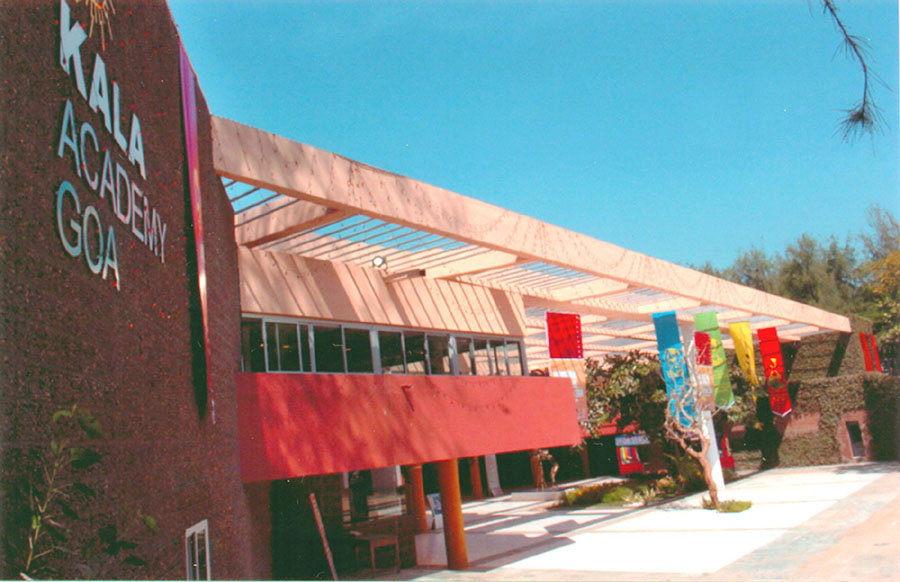
Correa favored architecture that responded to local conditions: a preference for natural ventilation and daylight, the use of courtyards, shaded verandas and open public spaces, and an emphasis on economical, locally appropriate materials. His practice sought to reconcile contemporary construction with vernacular traditions, producing work that was both modern and rooted in place.
Work and impact
Over a career spanning several decades, Correa designed cultural centres, civic buildings, housing projects and urban plans. He championed low‑cost housing and slum improvement, arguing that humane design could improve living conditions without destroying community life. Notable projects credited to his practice include major cultural buildings and urban interventions across India, and his ideas influenced architects, planners and policymakers.
Recognition and public roles
Correa received multiple national and international honours for his contributions. He was awarded the Padma Shri in 1972 and the Padma Vibhushan in 2006 by the Government of India (Padma Shri, Padma Vibhushan). In 1984 he received the Royal Gold Medal from the Royal Institute of British Architects (RIBA), a recognition of his global influence. Beyond buildings, he served as an advisor on urban projects and participated in public debates about cities and development.
History and legacy
Born in 1930, Correa trained and worked during a period when newly independent India was seeking architectural identities. He helped articulate an approach that was modern yet attentive to climate, culture and social equity. His writings and lectures expanded his influence beyond completed projects, shaping discourse on urban planning and housing policy.
Later life and notable facts
Correa continued to practice, teach and write into his later years. He died at his home in Mumbai after a brief illness on 16 June 2015 (obituary notice). Today his work is studied for its commitment to designing for people and place, and for integrating architectural form with broader concerns about cities, community and sustainability.
Further reading and themes
- Vernacular strategies adapted for modern climates and materials
- Housing, informal settlement upgrading, and social responsibility in design
- The role of public spaces and civic institutions in urban life
For those seeking more detailed accounts of his projects, design philosophy and writings, consult architectural archives and monographs that survey his long and varied career.
Related articles
Author
AlegsaOnline.com Charles Correa: Architect, Urban Planner and Advocate for Humane Cities Leandro Alegsa
URL: https://en.alegsaonline.com/art/116179
Sources
- upenn.edu : An Architecture of Independence: The Making of Modern South Asia
- blogs.wsj.com : "India's 'Greatest Architect,' Charles Correa, Dies"