
César Pelli
Argentine-American architect César Pelli (1926–2019) designed landmark skyscrapers and urban complexes including the Petronas Towers and the World Financial Center. He led Pelli Clarke Pelli and received the AIA Gold Medal.
César Pelli (October 12, 1926 – July 19, 2019) was an influential architect born in Argentina who became a leading figure in late-20th-century and early-21st-century architecture. Often described as an exemplar of contextual modernism, Pelli combined tall-building engineering, careful use of materials and an interest in the public life of urban spaces. He is especially known for projects that shaped city skylines and for bringing large-scale complexes into sympathetic relationship with their surroundings.
Image gallery
7 Images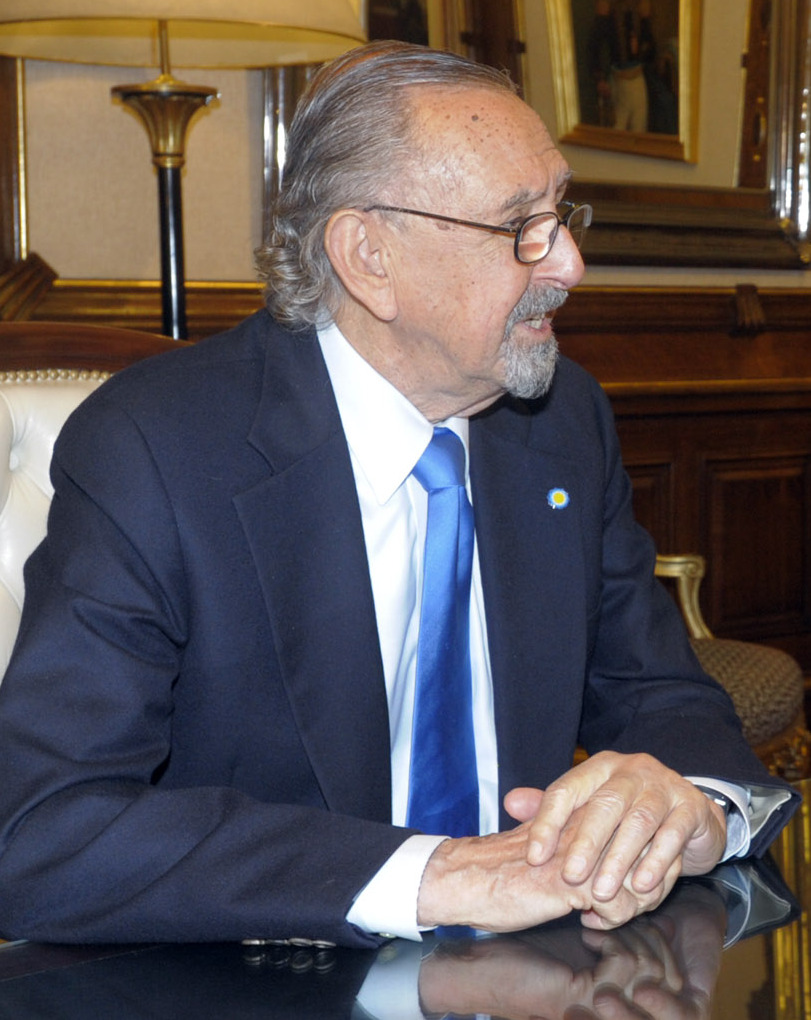


Background and career
Pelli was born in Argentina and is commonly described as Argentine by origin and later as American in his professional identity. He trained as an architect in Argentina and established a global practice, eventually founding the firm Pelli Clarke Pelli Architects, which executed commissions across continents. He taught and held administrative roles at academic institutions, where he influenced generations of architects with a pragmatic yet refined approach to design.
Design approach and characteristics
Pelli's work is marked by careful attention to context, a restrained palette of materials—often glass, steel and stone—and an emphasis on proportion and silhouette. Rather than pursuing sculptural novelty, his buildings tend to emphasize urban continuity: plazas, pedestrian connections and the ways tall towers meet the street. Structurally ambitious but visually disciplined, Pelli's towers frequently use setbacks, tapered forms and reflective surfaces to modulate scale and respond to light.
Major works and examples
- Petronas Twin Towers (Kuala Lumpur) — Pelli's best-known work, a pair of linked skyscrapers that were the world's tallest buildings for a time and are noted for their cultural symbolism and skybridge element.
- World Financial Center (now Brookfield Place, New York) — a riverside complex that reconfigured large portions of lower Manhattan's office and public space along the Hudson River; the development emphasized plazas and retail under a unifying architectural language. Manhattan
- One Canada Square, Canary Wharf (London) — a prominent European tower that contributed to the redevelopment of a former docklands district into a modern financial center.
- Pacific Design Center and various cultural and commercial buildings — Pelli's portfolio also includes museums, university buildings and corporate headquarters that demonstrate his range beyond tower design.
Awards, influence and legacy
Pelli received numerous honors during his career. The American Institute of Architects (AIA) named him among the ten most influential living American architects in 1991 and awarded him the AIA Gold Medal in 1995. His collaborative practice, attention to urban condition, and ability to manage technically complex, large-scale commissions influenced peers and successors. The firm he led continued to operate after his retirement, carrying forward his emphasis on thoughtful integration of buildings and cities.
Pelli's death on July 19, 2019 at his home in New Haven marked the end of a career that reshaped skylines and urban plans around the world. His work remains widely studied for its combination of engineering ambition, formal restraint and civic-minded urbanism.
For further reading, consult professional architecture sources and archives that document Pelli's projects, teaching and writings.
Related articles
Author
AlegsaOnline.com César Pelli Leandro Alegsa
URL: https://en.alegsaonline.com/art/115820
Sources
- salon.com : "César Pelli"
- reuters.com : "César Pelli, Argentine architect behind the Petronas Towers, dies aged 92"