
IMAX — large-format motion-picture system and exhibition technology
IMAX is a high-resolution, large-format film and digital projection system and branded cinema experience used for immersive documentaries, special venues, and blockbuster releases.
Overview
IMAX is a commercial film and exhibition system designed to present motion pictures on very large screens with high-resolution imagery and immersive sound. Originally developed by a team of Canadian filmmakers and engineers, IMAX became known for expansive screens, bespoke projection and audio systems, and a focus on visual clarity. For a concise technical summary, see IMAX projection system.
Image gallery
10 Images


Technology and characteristics
The IMAX experience combines several engineered elements: a large curved or flat screen, specialized projectors (either large-format film or advanced digital systems), and an audio system tuned for high dynamic range. Classic IMAX film used 65mm negatives printed or run as 70mm film with 15 perforations per frame, oriented horizontally to increase image area. Modern venues commonly use digital IMAX projectors and laser illumination for brighter images and improved contrast.
- Screen and geometry: Taller aspect ratios and stadium seating maximize field of view.
- Projection formats: 15/70 film, IMAX Digital, and IMAX with Laser.
- Sound: Proprietary multi-channel systems and calibrated acoustics.
History and development
IMAX technology was first publicly demonstrated at Expo ’70 in Osaka, where large-format presentations drew attention for their scale and clarity. The company that commercialized the system continued to develop both film and digital projection, expanding from museums and science centers into commercial multiplexes. Early permanent IMAX theatres were installed at museums and science centres to showcase documentary and educational films.
Uses, examples and importance
IMAX venues are used for documentary films, specialized educational programs, and high-profile feature films. Hollywood studios often prepare IMAX-ready sequences or use IMAX Digital Media Remastering (DMR) to adapt mainstream releases. Large-format presentation is valued for immersive storytelling, naturalistic detail in landscapes and space sequences, and educational exhibitions in science centers and museums.
Distinctions and notable facts
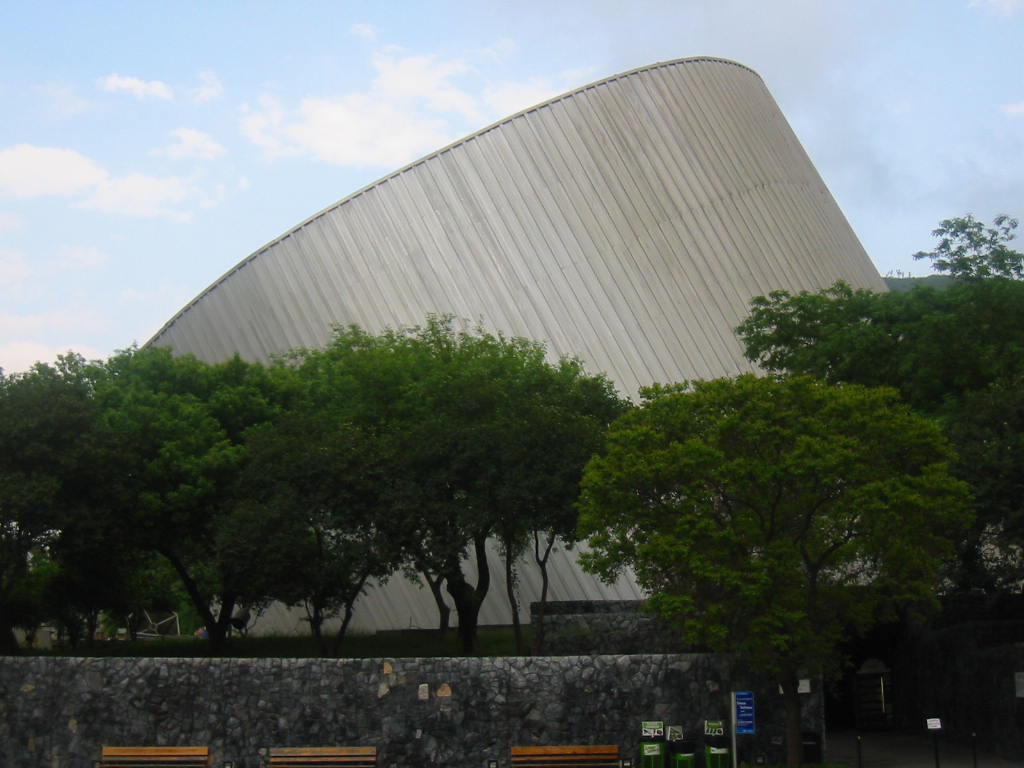
Key distinctions between IMAX and conventional cinema include larger image area per frame, unique aspect ratios, and theatre-specific design standards that emphasize sightlines and audio fidelity. Variants such as IMAX Dome (formerly OMNIMAX) and IMAX 3D alter screen geometry or introduce stereoscopic projection. For technical comparisons and venue listings, consult technical resources and public archives at historical summaries or corporate material at official sources.
Note: The IMAX brand represents a combination of proprietary hardware, projection practices and a licensing model that governs how films are prepared and how theatres are built to deliver the intended immersive experience.
Related articles
Author
AlegsaOnline.com IMAX — large-format motion-picture system and exhibition technology Leandro Alegsa
URL: https://en.alegsaonline.com/art/46823