
2003 Pacific hurricane season: overview and notable storms
Summary of the 2003 Pacific hurricane season, its storms, impacts on Mexico and Hawaii, key statistics, notable hurricanes, and records including the absence of major hurricanes.
Overview
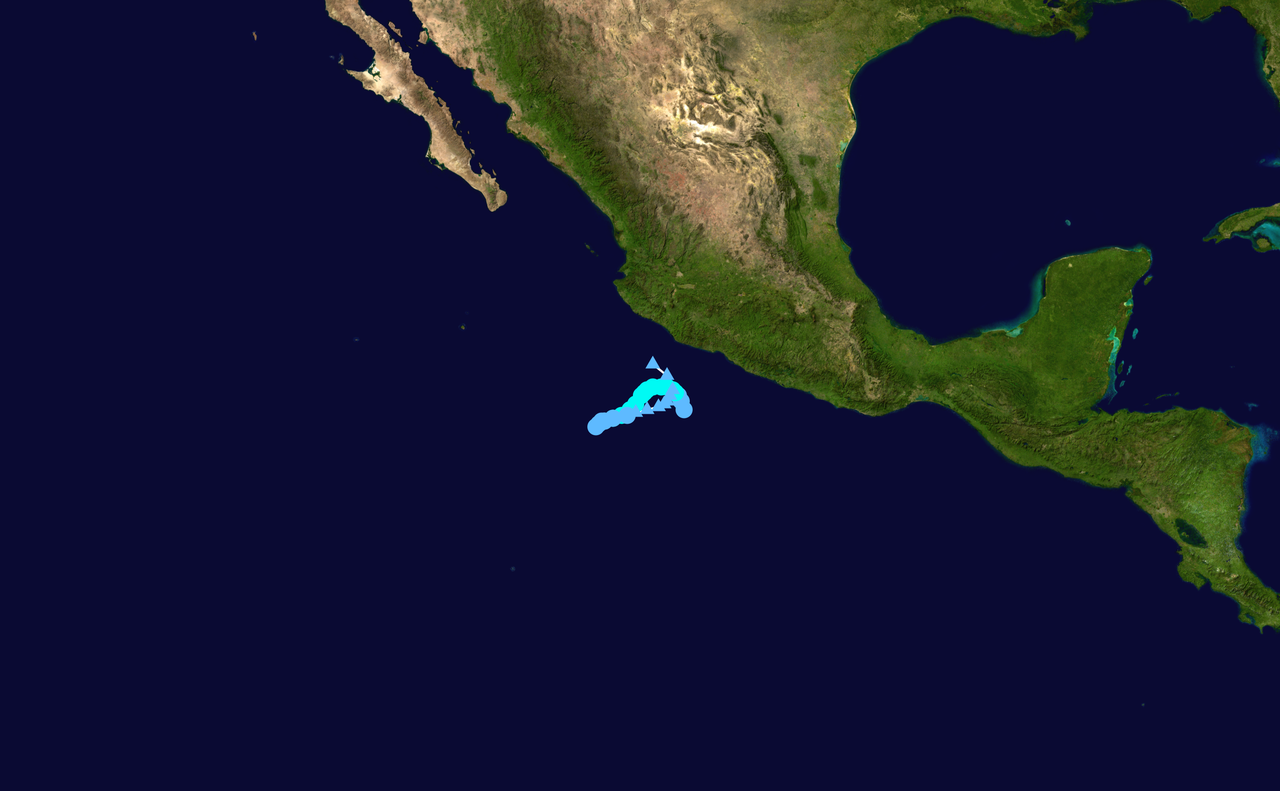
The 2003 Pacific hurricane season produced a notable number of landfalling and near-land tropical systems that affected Mexico and parts of the central Pacific. The season officially ran from May 15 in the eastern Pacific to November 30 for the northeastern Pacific, with the central Pacific basin opening on June 1. Meteorological agencies tracked 16 named tropical storms during the season, a total close to the long-term average for the region.
Image gallery
10 Images




Season statistics and characteristics
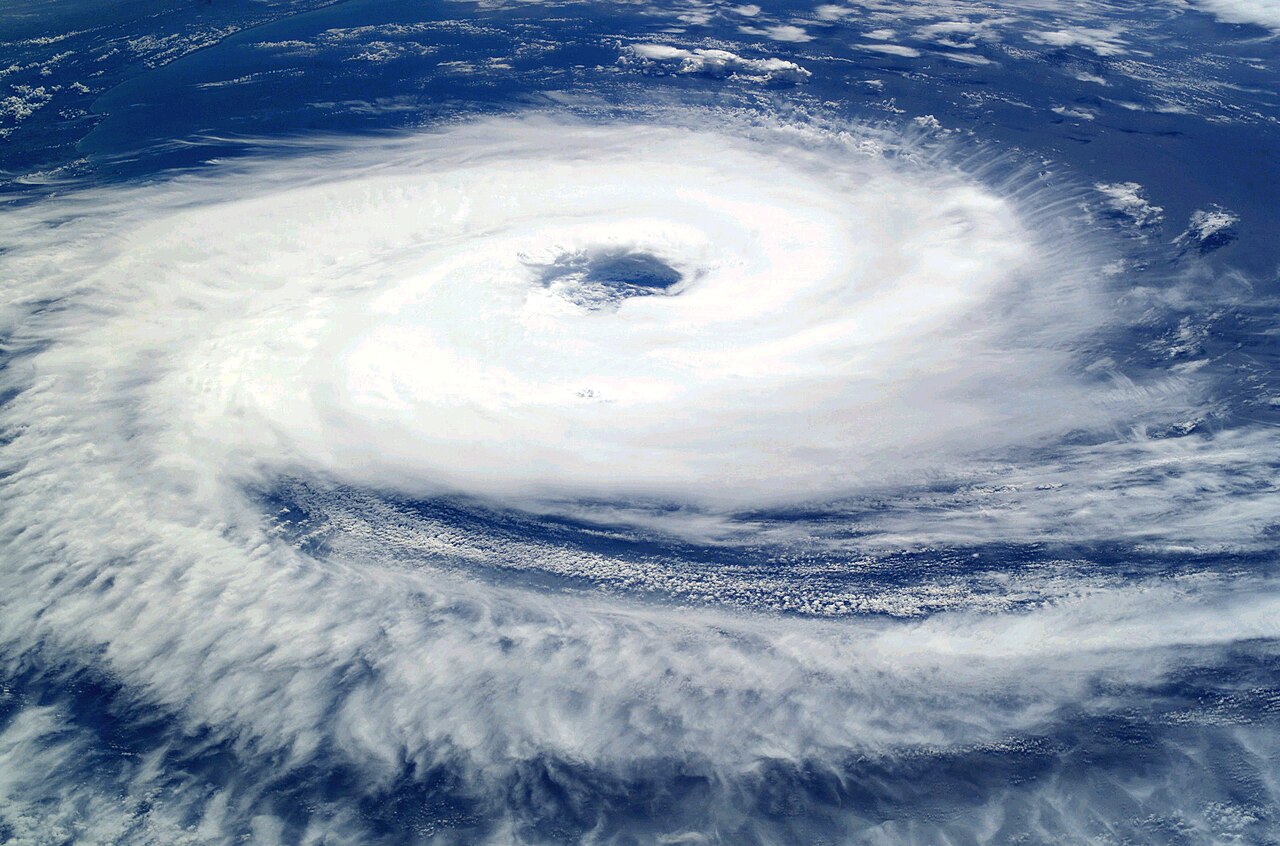
Storm formation was concentrated in the eastern and central Pacific basins. Forecasters use the Saffir–Simpson scale to describe hurricane intensity and official start and end dates to delimit the period when most systems form. Conditions such as sea-surface temperatures, atmospheric moisture and wind shear influence whether storms strengthen into hurricanes or major hurricanes (Category 3 or higher). In 2003, none of the systems reached major-hurricane strength in the Pacific basin, a rare occurrence last seen in 1977.
Notable storms
- Hurricane Ignacio — One of the season's strongest systems to affect mainland Mexico; Ignacio caused fatalities and damage before weakening.
- Hurricane Marty — A destructive storm that struck parts of Mexico and was responsible for significant casualties and economic losses.
- Hurricane Jimena — Tracked across the central Pacific and passed just south of Hawaii, marking the first nearby passage by a Pacific hurricane in several years and drawing attention to Hawaiian preparedness.
Impacts and human toll
Several systems during 2003 affected the Mexican coastline. Hurricanes Ignacio and Marty were the deadliest Pacific storms that year, with reports of multiple fatalities and widespread damage; together they contributed to nearly $1 billion (2003 USD) in economic losses. In addition to those two, a number of other Pacific storms and three Atlantic-origin systems influenced weather and flooding in Mexico. The combination of heavy rain, coastal surge and river flooding produced the bulk of the human and property impacts.
Records and notable facts
A distinctive feature of the 2003 season was the absence of any storm that intensified to a Category 3 hurricane or stronger in the northeastern Pacific — the first such season since 1977. At the same time, the season produced an ordinary count of named storms (16). Hurricanes moving near or into the central Pacific, such as Jimena, are comparatively uncommon and often prompt coordination between eastern and central Pacific forecasting centers.
Aftermath and preparedness
After 2003, agencies and communities reviewed the impacts to improve forecasting, warning dissemination and coastal preparedness. Mexico's experience that year highlighted the vulnerability of coastal and low-lying areas to moderate-to-strong tropical cyclones and the need for evacuation planning. For additional technical details on individual storms and post-storm assessments, consult regional summaries and storm reports from official agencies and archives: tropical cyclone summaries, Mexico impact reports, basin-overview pages for the eastern Pacific and central Pacific, and consolidated lists of Pacific storms and Atlantic systems. For historical context and specific seasonal timelines see related entries for 2003, regional preparedness guidance at Hawaii resources, and archived advisories issued around the season.
Related articles
Author
AlegsaOnline.com 2003 Pacific hurricane season: overview and notable storms Leandro Alegsa
URL: https://en.alegsaonline.com/art/112347