
Hawaii (island) — the Big Island of Hawaiʻi
Hawaii (the Big Island) is the largest island in the U.S. state of Hawaii. An island of overlapping shield volcanoes, it hosts active volcanism, diverse climates, unique ecosystems, and major towns Hilo and Kailua‑Kona.
The Island of Hawaiʻi, commonly called the Big Island, is the largest island in the United States state of Hawaii and the southernmost of the Hawaiian Islands. Covering about 4,038 square miles (10,458 km²), it accounts for roughly 62% of the land area of the State of Hawaii. The island comprises much of the County of Hawaii and is a geographically diverse landmass with coastlines, high volcanic peaks, wet rainforests and dry leeward plains.
Image gallery
10 Images

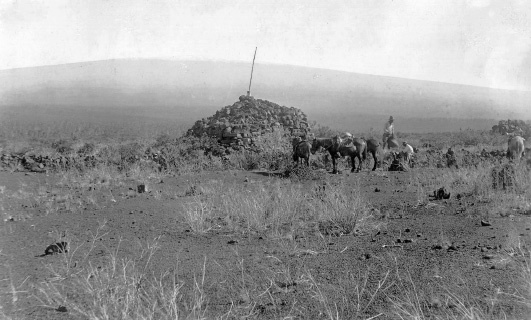


Geology and volcanoes
The Big Island formed where the Pacific tectonic plate moved over a volcanic hotspot, producing a series of overlapping shield volcanoes that grew and merged. Lava flows rise from deep source regions beneath the island; molten lava originates in the Earth’s upper mantle and is the agent that builds the shields, vents and rift zones. Many of the island’s surface features are the result of successive eruptions and later erosion.
- Major volcanic centers include Kohala (extinct), Mauna Kea (dormant), Hualālai (dormant), Mauna Loa (active), Kulani (largely buried, extinct) and Kīlauea (highly active).
- Some volcanic activity continues beneath and around the island, and younger submarine vents exist offshore that can eventually contribute to island growth.
Climate, ecosystems and natural areas
The island displays striking climatic contrasts over short distances: windward slopes receive heavy rainfall and support tropical rainforests, while leeward coasts are much drier. Elevation also produces cooler, alpine conditions near the summits. These gradients create diverse habitats, from lowland dry forests and coastal lava fields to cloud forests and subalpine zones. Significant protected areas include national and state parks that conserve volcanic landscapes, native species and cultural sites.
Human geography, towns and economy
Hilo, the island’s largest town, lies on the rainy east side and serves as a regional center for government, commerce and cultural events. Kailua‑Kona on the drier west coast is a focal point for tourism, marine activities and hotels. The island’s economy mixes tourism with agriculture (including coffee and tropical fruits), research (notably astronomical observatories near Mauna Kea) and public services.
History, culture and importance
Human settlement on the island dates back many centuries within the wider Polynesian settlement of Hawaiʻi. Indigenous Hawaiian culture remains influential in place names, land use, language and ceremonies. The island’s active volcanoes, dramatic landscapes and cultural sites make it important for science, tourism and cultural heritage. Visitors come for volcanic parks, hikes, beaches and cultural festivals, while scientists study volcanology, geology and astronomy.
Notable distinctions and further reading
The Big Island is notable for its size within the state, for hosting some of the world’s most active volcanoes, and for extreme environmental variety across short distances. For more detailed topics—volcanic monitoring, park information, or local governance—consult regional resources linked below.
- United States overview
- Hawaiian Islands context
- State of Hawaii information
- County of Hawaii resources
- Shield volcanoes explanation
- Mauna Kea topics
- Dormant volcano definition
- Mauna Loa activity
- Kīlauea activity and history
- Hotspot volcanism
- Lava and eruption processes
- Lower mantle geology
- Upper core and deep Earth
- Hilo and east-side climate
Questions and answers
Q: What is the Island of Hawaiʻi also known as?
A: The Island of Hawaiʻi is also known as the "Big Island."
Q: What is the total area of the Island of Hawaiʻi?
A: The total area of the Island of Hawaiʻi is 4,038 sq. miles (10,458 km2).
Q: How much of the total land area of the State of Hawaii does the Big Island have?
A: The Big Island has more than half (~62%) of the total land area of State of Hawaii.
Q: What are the seven shield volcanoes on the Big Island?
A: The seven shield volcanoes on the Big Island are Kohala (extinct), Mauna Kea (dormant), Hualalai (dormant), Mauna Loa (active), Kulani (extinct, mostly buried), and Kilauea (very active).
Q: How were the volcanoes on the Big Island formed?
A: The volcanoes on the Big Island were caused by the Pacific oceanic tectonic plate moving over a hotspot, where lava from the Earth's lower mantle or upper core is close to the surface.
Q: Which city is the largest on the Big Island?
A: The largest city on the Big Island is Hilo.
Q: Which side of the Big Island is on the dry side?
A: The city of Kailua-Kona is on the dry, west side of Hawaii.
Related articles
Author
AlegsaOnline.com Hawaii (island) — the Big Island of Hawaiʻi Leandro Alegsa
URL: https://en.alegsaonline.com/art/42913