
2004 Madrid train bombings (11 March 2004)
A coordinated series of bomb attacks on Madrid commuter trains on 11 March 2004 that killed 191 people, wounded around 1,800, and had major political and social consequences in Spain and Europe.
The 2004 Madrid train bombings took place on the morning of 11 March 2004, when a group of simultaneous explosions struck multiple commuter trains in Madrid during the weekday rush hour. The attacks killed 191 people and wounded approximately 1,800, making them the deadliest terrorist incident in Spain's modern history. The events occurred three days before a national general election and had immediate effects on public opinion and political debate in Spain. For contemporary timelines and reporting see detailed chronologies.
Image gallery
8 Images


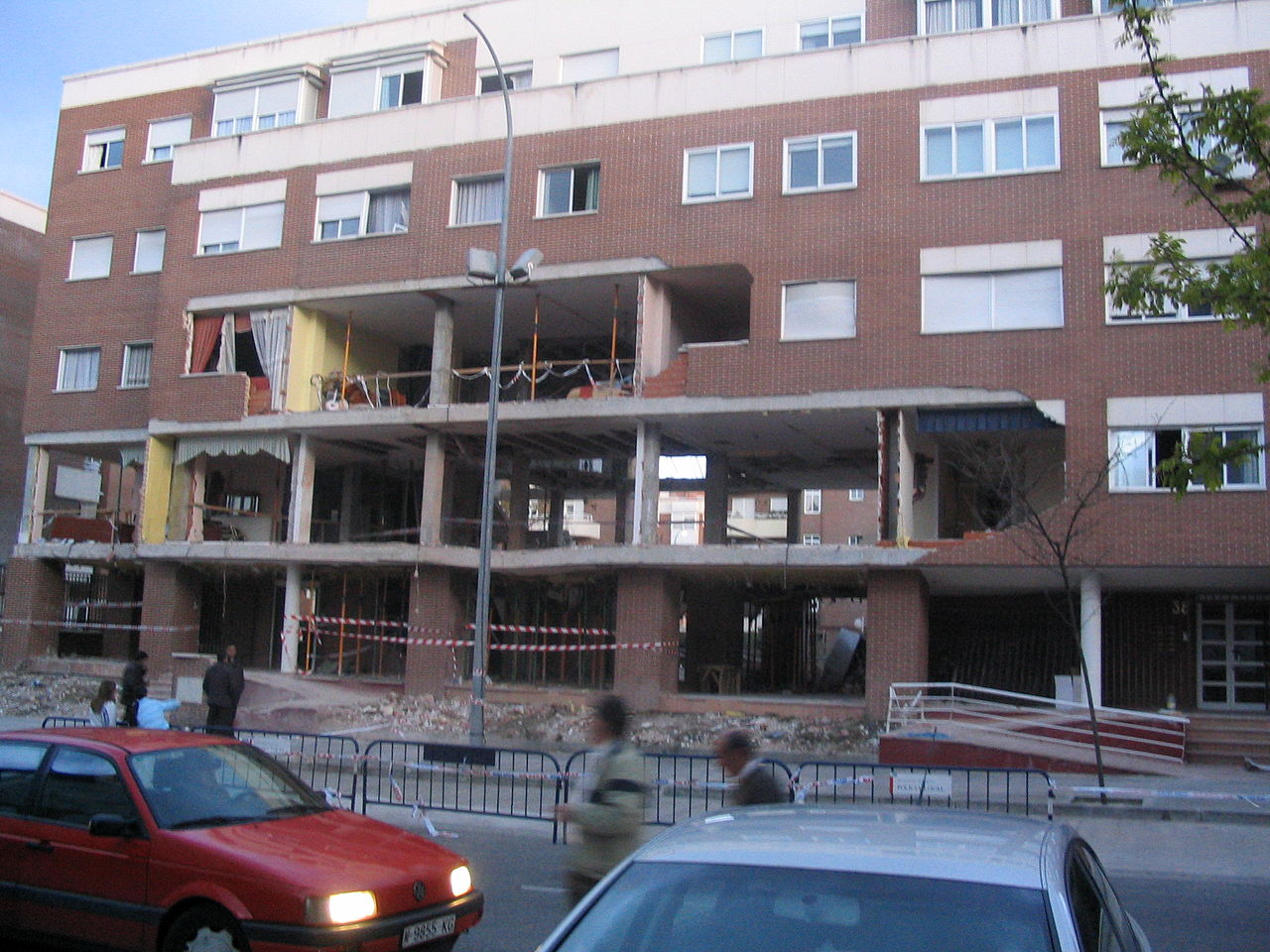


How the attack was carried out
Explosives were placed on several Cercanías (commuter) trains and detonated as they moved through or stopped at central stations. The devices were improvised explosive devices concealed in backpacks and other luggage; widely reported investigative findings indicate the blasts were timed to coincide with peak commuter traffic. The coordinated nature of the detonations and the choice of multiple locations amplified casualties and disrupted emergency response. More technical summaries are available at investigative reports.
Casualties, rescue and immediate aftermath
Rescue teams, firefighters and medical personnel responded rapidly as victims were evacuated to hospitals across Madrid. The scale of injuries created an urgent demand on emergency services and blood banks, and led to widespread shock and grief throughout Spain. Mass vigils and spontaneous gatherings took place in Madrid and other Spanish cities in the days after the bombings. For accounts of humanitarian and medical response, consult emergency response summaries.
Investigation and responsibility
Spanish judicial authorities carried out an extensive investigation that identified and arrested members of an Islamist extremist cell. Courts concluded that the attacks were carried out by individuals inspired by extremist Islamist ideology and affiliated to a group described in official findings as al-Qaeda–inspired; investigators did not find conclusive proof of direct operational command by al-Qaeda central. The inquiry, arrests and subsequent trials were the subject of intense public scrutiny and debate. A range of legal and journalistic sources discuss the investigative process in depth; see official investigation summaries.
Political and social impact
The bombings occurred three days before Spain's national election, and the immediate handling of information about responsibility became a major political issue. Initial statements by government officials attributing the attacks to a separatist group prompted controversy when later evidence indicated Islamist involvement. The timing and communications surrounding the attacks influenced public debate and voter sentiment, and sparked nationwide protests and calls for transparency. Analysts and commentators have referenced these dynamics when studying the interaction of terrorism and democratic politics; further analysis is available at political analyses.
Legacy and remembrance
The 11 March attacks prompted changes in public security policy, emergency preparedness and international cooperation on counterterrorism. Memorials and commemorative events, both official and grassroots, are held annually to honor victims and to reflect on the social consequences of the attacks. The bombings remain a defining event in early-21st-century Spain, studied for lessons about radicalization, crisis communication, and the impact of terrorism on civic life.
- Date: 11 March 2004.
- Main targets: Madrid commuter (Cercanías) trains during rush hour.
- Casualties: 191 killed, about 1,800 wounded (official figures reported).
- Responsibility: Judicial investigations attributed the attack to an Islamist extremist cell described as al-Qaeda–inspired.
Related articles
Author
AlegsaOnline.com 2004 Madrid train bombings (11 March 2004) Leandro Alegsa
URL: https://en.alegsaonline.com/art/112355
Sources
- elmundo.es : El Mundo
- elpais.com : Judgment of the attacks
- 20minutos.es : Al Qaeda claimed the attacks
- elmundo.es : "Spanish Indictment on the investigation of 11 March"
- timesonline.co.uk : "Spain furious as US blocks access to Madrid bombing 'chief'"