
1977 Pacific hurricane season
A concise overview of the unusually quiet 1977 Pacific hurricane season, its statistics, meteorological context, and notable distinctions within historical records.
The 1977 Pacific hurricane season was one of the quietest on record in the northeastern and central Pacific basins. The season's official bounds began on May 15 in the eastern Pacific and on June 1 in the central Pacific, running through November 30 of 1977. These dates mark the conventional period each year when tropical cyclone development is most likely in the region; the basin commonly referred to as the northeast Pacific basin typically produces several named storms and hurricanes during this interval, but 1977 was a marked exception.
Image gallery
10 Images
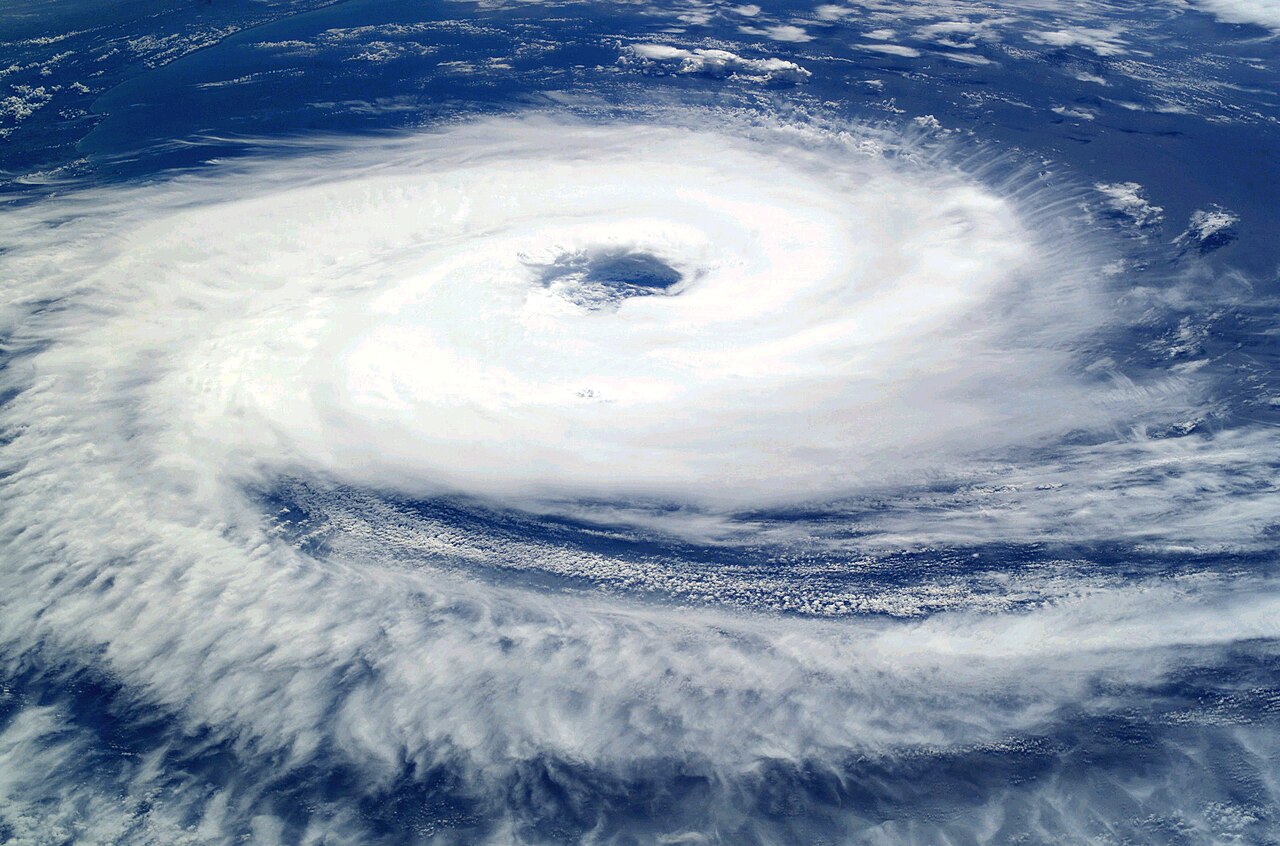


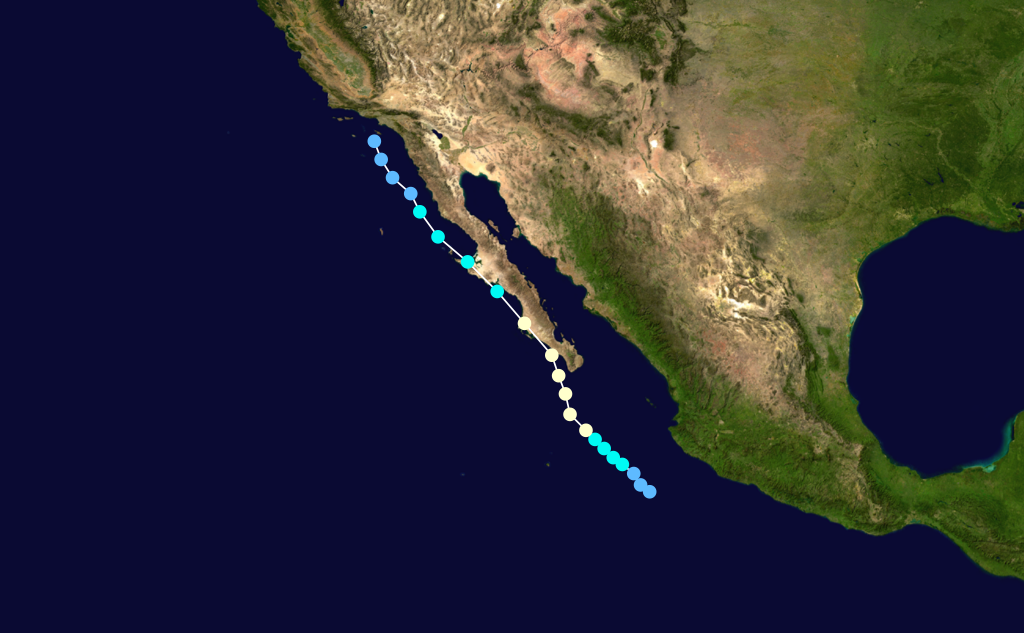
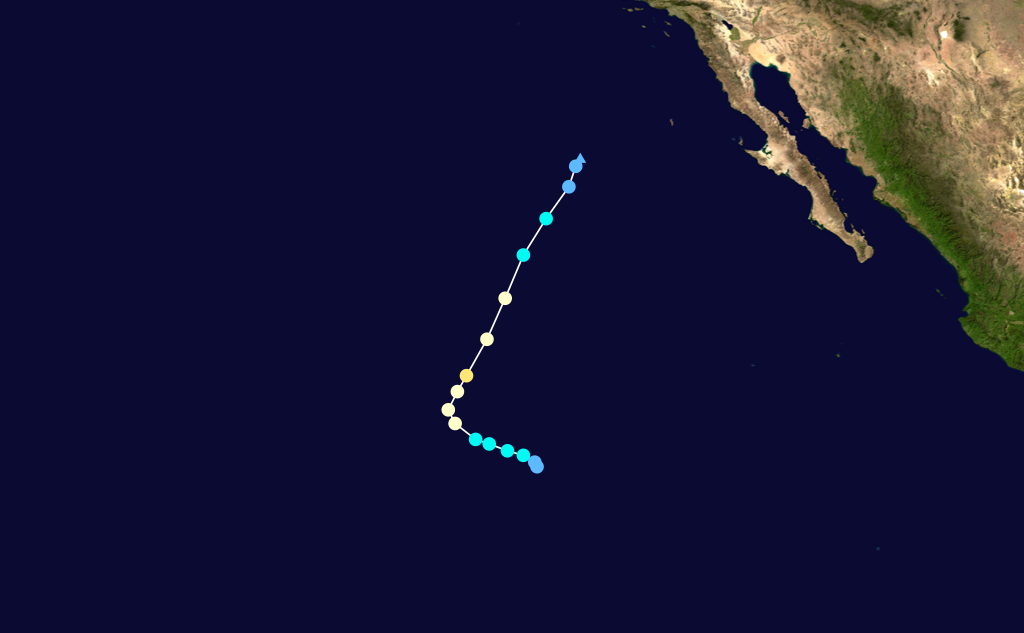


Season summary and statistics
Activity during 1977 was unusually low. Only eight systems reached tropical storm strength, and of those, four strengthened into hurricanes. Notably, none intensified to what meteorologists classify as a "major hurricane" (Category 3 or higher on the Saffir–Simpson scale). The central Pacific saw no cyclogenesis and experienced no storms crossing into it from the east. Historical records indicate that a comparable suppression of major hurricane activity in the eastern Pacific would not reappear until the 2003 season.
- Total tropical storms: 8
- Total hurricanes: 4
- Major hurricanes (Category 3+): 0
- Central Pacific activity: none
Meteorological context
Individual seasons vary because of large-scale climate factors and local oceanic conditions. Sea surface temperatures, mid-level moisture, and vertical wind shear exert primary control over tropical cyclone formation and intensification. The phase of the El Niño–Southern Oscillation (ENSO) — El Niño or La Niña — can modulate these conditions across the Pacific and alter the prevailing patterns of storm genesis. In any unusually quiet season, a combination of unfavorable sea surface temperatures and increased shear or dry air is typically responsible; however, attributing a single season’s low tally to one cause requires careful analysis of atmospheric data and is best left to specialized studies by forecasting agencies.
Impacts and behavior
Because of the reduced number and intensity of systems, the 1977 season produced relatively limited impacts on land compared with more active years. When Pacific hurricane seasons are subdued, coastal and island communities in western Mexico, the Baja California peninsula, and Hawaii generally face fewer tropical threats. However, even weak or short-lived tropical storms can produce heavy rainfall, coastal erosion, and localized flooding, so low seasonal totals do not eliminate the hazard entirely.
Notable distinctions and legacy
The primary historical note for 1977 is its record-low level of activity in modern records for the basin: few tropical storms, fewer hurricanes, and no major hurricanes. It also exemplifies how hurricane seasons in the Pacific can fluctuate sharply from year to year. Comparison of quiet seasons like 1977 with more active years helps researchers and forecasters refine their understanding of the connections between oceanic variability, atmospheric processes, and tropical cyclone formation. For context on concurrent activity in other basins, researchers often compare eastern Pacific seasons with contemporaneous conditions in the Atlantic basin and central Pacific, and review archived operational reports maintained by regional prediction centers.
For readers seeking primary sources and season summaries, archived advisories and post-season reports from the agencies that monitor the northeast and central Pacific provide the authoritative record (see regional start and end date information at May 15, June 1 and the season closure on November 30), and government and research archives catalog long-term basin variability for further study (northeast Pacific, 2003 comparison, and the wider inter-basin context at Atlantic resources).
Author
AlegsaOnline.com 1977 Pacific hurricane season Leandro Alegsa
URL: https://en.alegsaonline.com/art/133545