
1995 Eastern and Central Pacific Hurricane Season — Summary and Notable Storms
Overview of the 1995 eastern and central Pacific hurricane season: 11 cyclones, 10 tropical storms, 7 hurricanes and 3 major hurricanes, with notable impacts from Hurricane Ismael and peak intensity by Juliette.
The 1995 season in the eastern and central Pacific produced unusually little tropical activity compared with the previous decade. Over the year a total of eleven tropical cyclones formed; ten of these intensified into tropical storms, seven reached hurricane strength, and three became major hurricanes. Four systems produced impacts on land. The deadliest event was Hurricane Ismael, responsible for at least 116 fatalities in Mexico.
Image gallery
10 Images
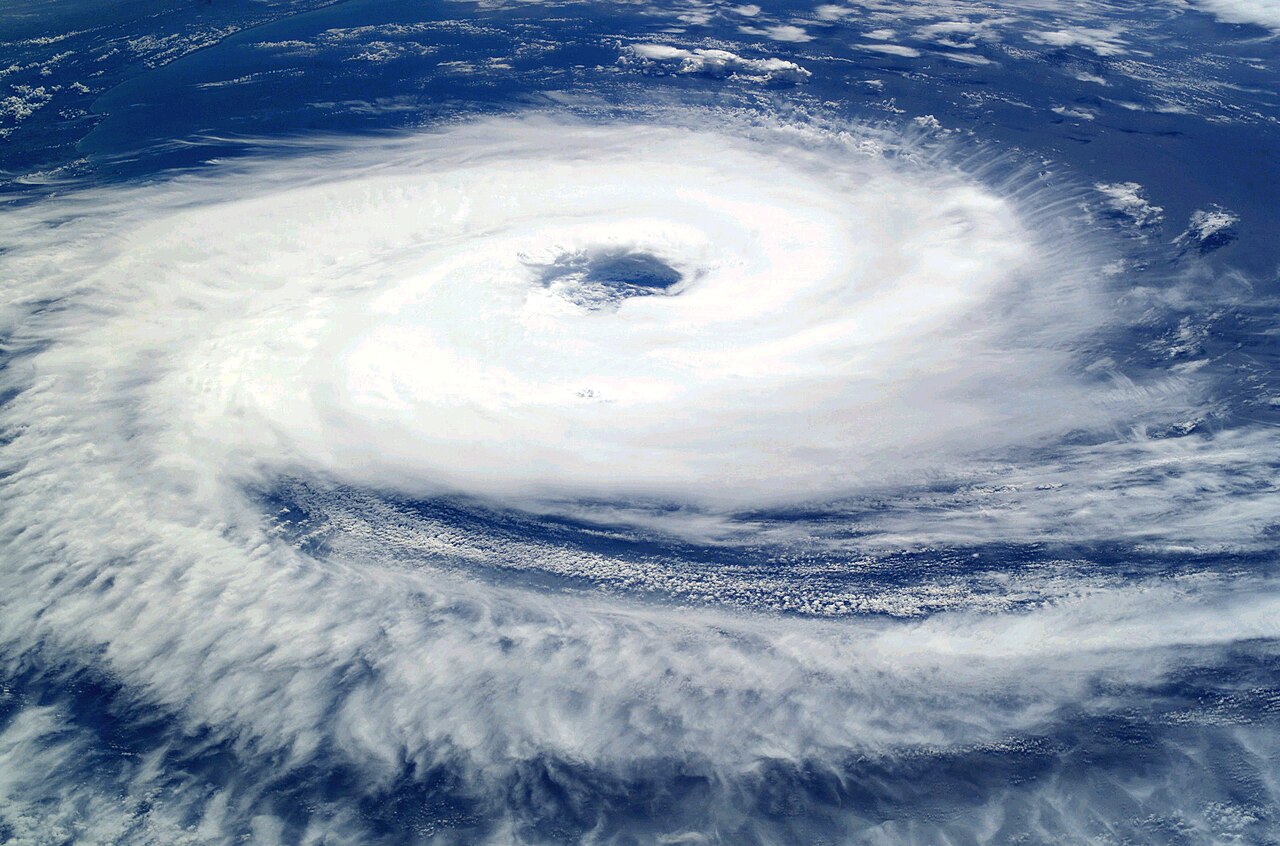


Season timing and overall numbers
Officially, the season began on May 15, 1995 for the eastern Pacific basin and on June 1, 1995 for the central Pacific, and it concluded on November 30, 1995. These dates represent the period when tropical cyclone formation is most likely in the northeastern Pacific Ocean. Compared with the long-term average (about 16 tropical storms per season), the number of storms in 1995 was well below normal, while the counts of hurricanes and major hurricanes were only slightly under the typical values.
Notable storms
Hurricane Juliette was the most intense system of the year, attaining peak sustained winds near 150 mph (240 km/h). The season’s human toll came primarily from Ismael, which struck parts of northwestern Mexico and produced the reported fatalities and additional damage. Several other storms remained over open water and caused limited or no known impacts on land.
Summary statistics
- Total tropical cyclones: 11
- Tropical storms: 10
- Hurricanes: 7
- Major hurricanes (Category 3 or higher): 3
- Systems that affected land: 4
In historical context, the 1995 Pacific season was the least active since 1979 and is frequently cited when comparing seasonal variability across the basin. For more on how the eastern and central Pacific hurricane seasons are defined, see the broader topic of the Pacific hurricane season.
Related articles
Author
AlegsaOnline.com 1995 Eastern and Central Pacific Hurricane Season — Summary and Notable Storms Leandro Alegsa
URL: https://en.alegsaonline.com/art/112265
Sources
- nhc.noaa.gov : "Hurricane Data for Pacific Hurricanes 1949–2005"
- nhc.noaa.gov : "Average Cumulative Number of Systems Per Year"