
List of Pacific hurricane seasons
Year-by-year compilations documenting tropical cyclone activity in the eastern and central Pacific basins, including season dates, monitoring agencies, data quality, naming, statistics and historical context.
Overview
Lists of Pacific hurricane seasons provide annual summaries of tropical cyclone activity in the northeastern Pacific Ocean. By convention, the eastern Pacific season is considered to begin on May 15, while the central Pacific season begins on June 1, and both typically end on November 30. These dates mark the period when sea surface temperatures and atmospheric conditions are most favorable for tropical cyclone formation in the eastern Pacific Ocean, although individual storms can and do form outside this window.
Image gallery
4 Images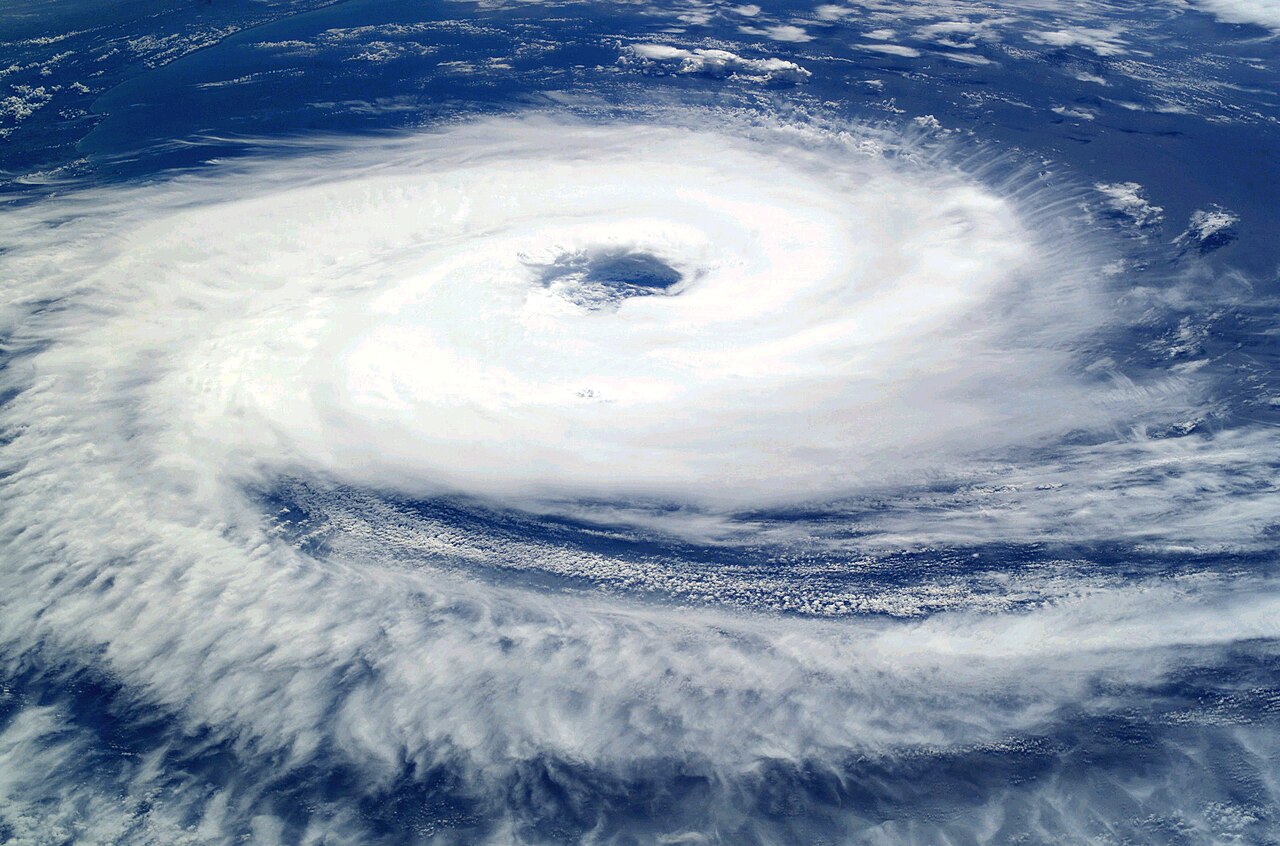


Contents and structure of a season list
A season list or article usually includes a concise summary followed by detailed sections for each storm. Typical components are:
- Season summary with counts of tropical depressions, named storms, hurricanes and major hurricanes.
- Chronological list of named storms with formation and dissipation dates.
- Individual storm summaries covering peak intensity, track and impacts.
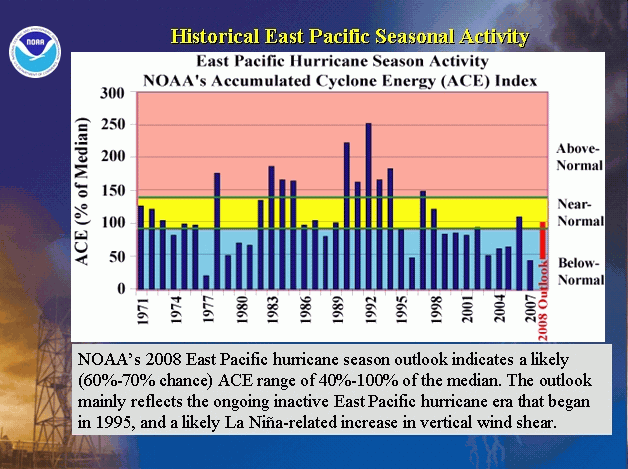
- Seasonal statistics such as accumulated cyclone energy (ACE), monthly distribution and comparative tables.
- Impact and damage summaries for affected coastal areas.
Basins, monitoring and naming
Responsibility for issuing warnings and maintaining official records is divided geographically: the U.S. National Hurricane Center (NHC) monitors the eastern Pacific, while the Central Pacific Hurricane Center (CPHC) handles the area of the central Pacific. Naming conventions differ between basins; the eastern basin uses rotating lists maintained by regional authorities, and the central basin uses a separate set of names, including Hawaiian-origin names for storms that form or enter that area. Storms that cross basin boundaries generally retain their given name.
Data quality and historical records
Reliable detection and characterization of Pacific storms improved substantially with the advent of satellite observations in the 1960s. Before routine satellite coverage, records relied largely on ship reports, coastal observations and chance encounters with land, so pre-satellite-era data are uneven and often incomplete. Modern season lists therefore place greater emphasis on post-satellite-era seasons while noting uncertainties in older records.
Climatology and variability
Activity in the Pacific basins varies from year to year under the influence of large-scale climate patterns. In general, El Niño conditions tend to enhance tropical cyclone formation in parts of the eastern Pacific, while La Niña tends to suppress activity. Peak activity usually occurs in late summer and early autumn, though timing and intensity vary annually.
Uses and importance
Season lists serve researchers, emergency managers, mariners and the general public. They provide a permanent record for climate studies, operational reference for preparedness planning, and accessible summaries of notable storms. Although many eastern Pacific storms remain over open water and pose limited hazard to land, some make landfall or generate dangerous surf and heavy rainfall along coastlines; season pages therefore document warnings, impacts and post-storm assessments.
Additional notes
Season lists often include cross-references to Atlantic and western Pacific seasons when storms interact with or transfer between basins. They may also link to post-season reports and reanalysis projects that reassess historical storms with improved methods. For further reading and source material, consult official summaries and archives maintained by regional forecasting centers and national meteorological services.
Season dates and procedures are administrative conventions intended to focus record-keeping and public information during the period of highest risk; they do not preclude the occasional storm outside that interval.
Questions and answers
Q: What is the Pacific hurricane season?
A: The Pacific hurricane season is a period when tropical cyclones usually form in the eastern Pacific Ocean, typically running from May 15 to November 30.
Q: When does the Pacific hurricane season start and end?
A: The Pacific hurricane season starts on May 15 in the eastern Pacific and June 1 in the central Pacific in their respective years. It ends on November 30.
Q: What is the reliability of data on east Pacific hurricanes before the satellite age?
A: Before the satellite age started in the 1960s, data on east Pacific hurricanes is extremely unreliable.
Q: Are most east Pacific storms a threat to land?
A: No, most east Pacific storms are of no threat to land.
Q: What is a tropical cyclone?
A: A tropical cyclone is a rotating, organized system of clouds and thunderstorms that originates in tropical or subtropical areas and has closed, low-level circulation.
Q: How are the dates of the Pacific hurricane season relevant to the formation of tropical cyclones?
A: The dates of the Pacific hurricane season are relevant to the formation of tropical cyclones because they are the typical period when such storms form in the eastern Pacific Ocean.
Q: What are the geographical boundaries of the Pacific hurricane season?
A: The geographical boundaries of the Pacific hurricane season cover the eastern Pacific and central Pacific, running from May 15 to November 30, respectively.
Author
AlegsaOnline.com List of Pacific hurricane seasons Leandro Alegsa
URL: https://en.alegsaonline.com/art/141653