
2016 Atlantic hurricane season
Above-average Atlantic hurricane season in 2016: 15 named storms, 7 hurricanes, 4 major hurricanes; notable for Hurricane Matthew and elevated ACE driven by favorable ocean and atmospheric conditions.
Overview
The 2016 Atlantic hurricane season officially ran from June 1 to November 30. It produced 15 named storms, of which 7 strengthened into hurricanes and 4 became major hurricanes (Category 3 or higher). Overall activity was above average in terms of accumulated cyclone energy (ACE), reflecting several long-lived and intense systems.
Image gallery
10 Images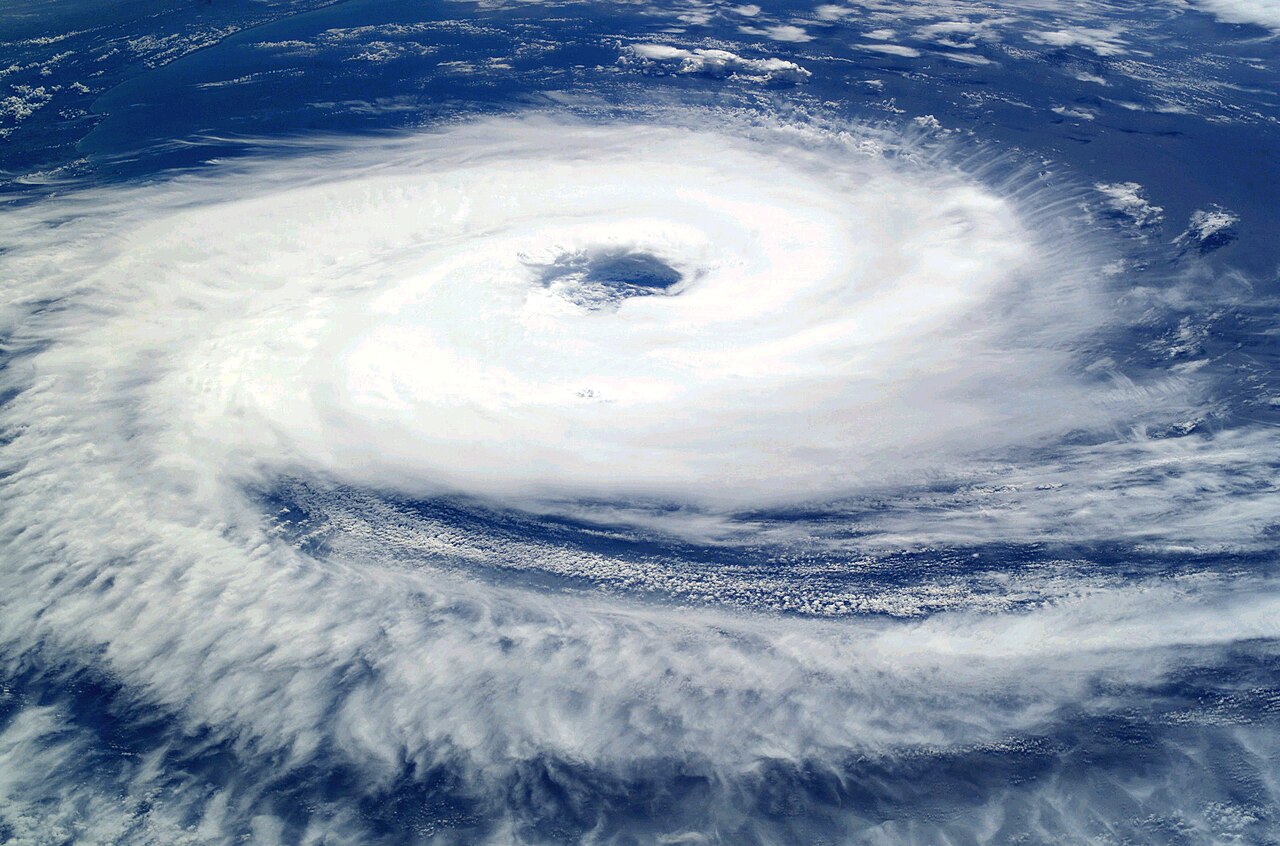




Where and how storms formed
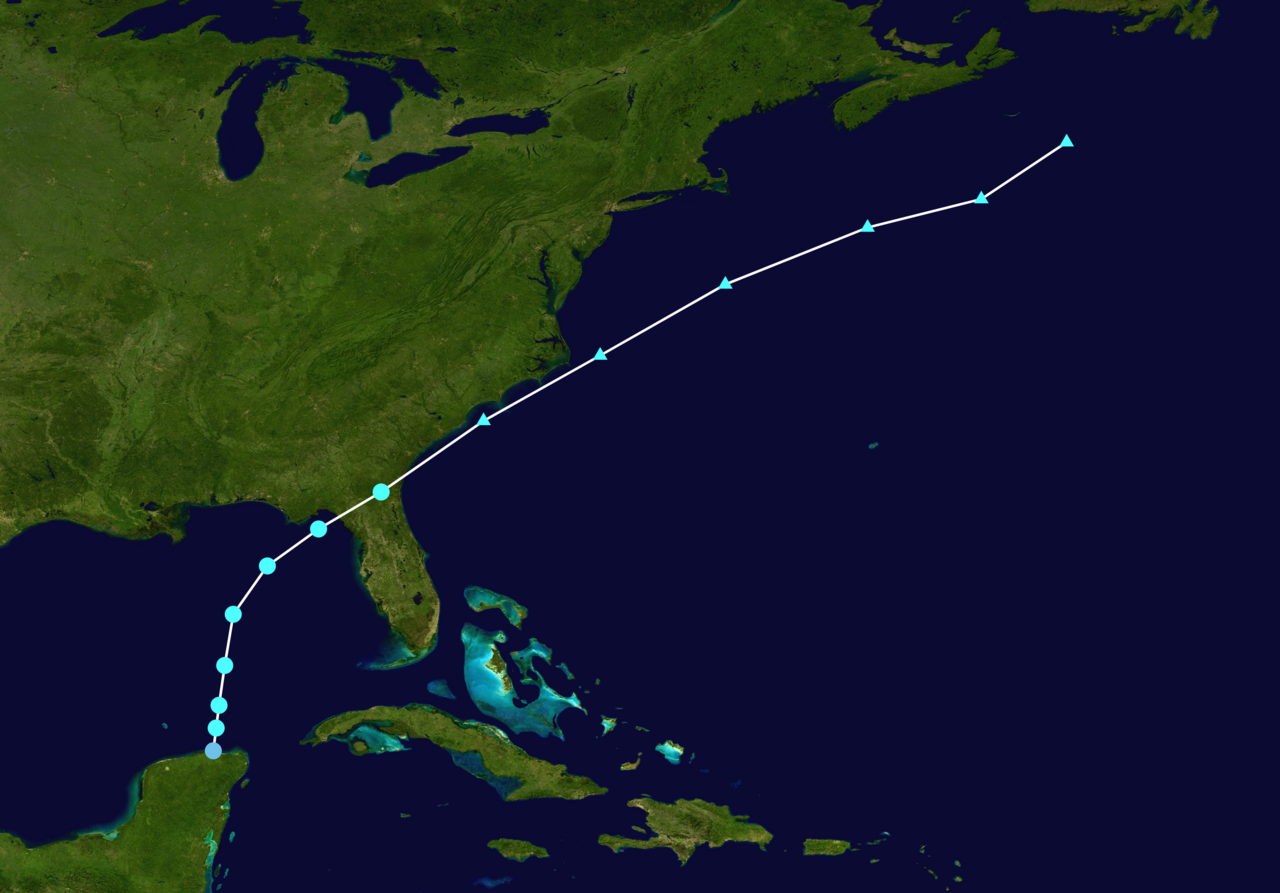
Systems developed across the Atlantic basin, including the tropical Atlantic, the Caribbean Sea and the Gulf of Mexico. These tropical cyclones formed in the warmer months typical of the Northern Hemisphere hurricane season, with the climatological peak in August–October when sea surface temperatures and atmospheric patterns are most favorable.
Climate influences and meteorology
Several environmental factors contributed to the season's vigor. Relatively warm tropical Atlantic sea surface temperatures and periods of reduced vertical wind shear allowed storms to organize and intensify. Large-scale climate signals such as the state of the El Niño–Southern Oscillation influence seasonal activity; in 2016 conditions evolved in a way that was broadly favorable for hurricane development compared with the strong El Niño of the previous year.
Season statistics
- Named storms: 15
- Hurricanes: 7
- Major hurricanes (Category 3+): 4
- ACE: above the long-term seasonal average
Notable storms and impacts
Hurricane Matthew was among the season's most notable systems, reaching major hurricane strength and causing severe effects in parts of the Caribbean and portions of the southeastern United States. Other storms brought heavy rain, coastal flooding and wind damage to island nations and coastal regions. Several systems prompted evacuations, infrastructure damage and humanitarian responses.
Significance and lessons
Beyond immediate impacts, the 2016 season underscored the importance of preparedness, warning systems and resilient infrastructure. It also provided additional case studies for forecasting models and post-storm analysis, helping meteorologists and emergency managers refine techniques for predicting storm intensity, track and potential impacts in future seasons.
Questions and answers
Q: How many named storms were there during the 2016 Atlantic hurricane season?
A: There were 15 named storms during the 2016 Atlantic hurricane season.
Q: How many hurricanes formed during the 2016 Atlantic hurricane season?
A: There were 7 hurricanes that formed during the 2016 Atlantic hurricane season.
Q: What is ACE?
A: ACE stands for Accumulated Cyclone Energy. It is a measure used by meteorologists to express the energy output of a tropical cyclone.
Q: Was the 2016 Atlantic hurricane season above or below average in terms of ACE?
A: The 2016 Atlantic hurricane season was above average in terms of ACE.
Q: What is the Atlantic basin?
A: The Atlantic basin refers to the area in the Atlantic Ocean where tropical cyclones are most likely to form.
Q: When did the 2016 Atlantic hurricane season officially start?
A: The 2016 Atlantic hurricane season officially started on June 1.
Q: When did the 2016 Atlantic hurricane season officially end?
A: The 2016 Atlantic hurricane season officially ended on November 30.
Related articles
Author
AlegsaOnline.com 2016 Atlantic hurricane season Leandro Alegsa
URL: https://en.alegsaonline.com/art/112564