
1985 Atlantic hurricane season
Summary of the 1985 Atlantic hurricane season: dates, notable storms (Elena, Gloria, Juan, Kate), unusual late activity, general impacts and historical context.
Overview
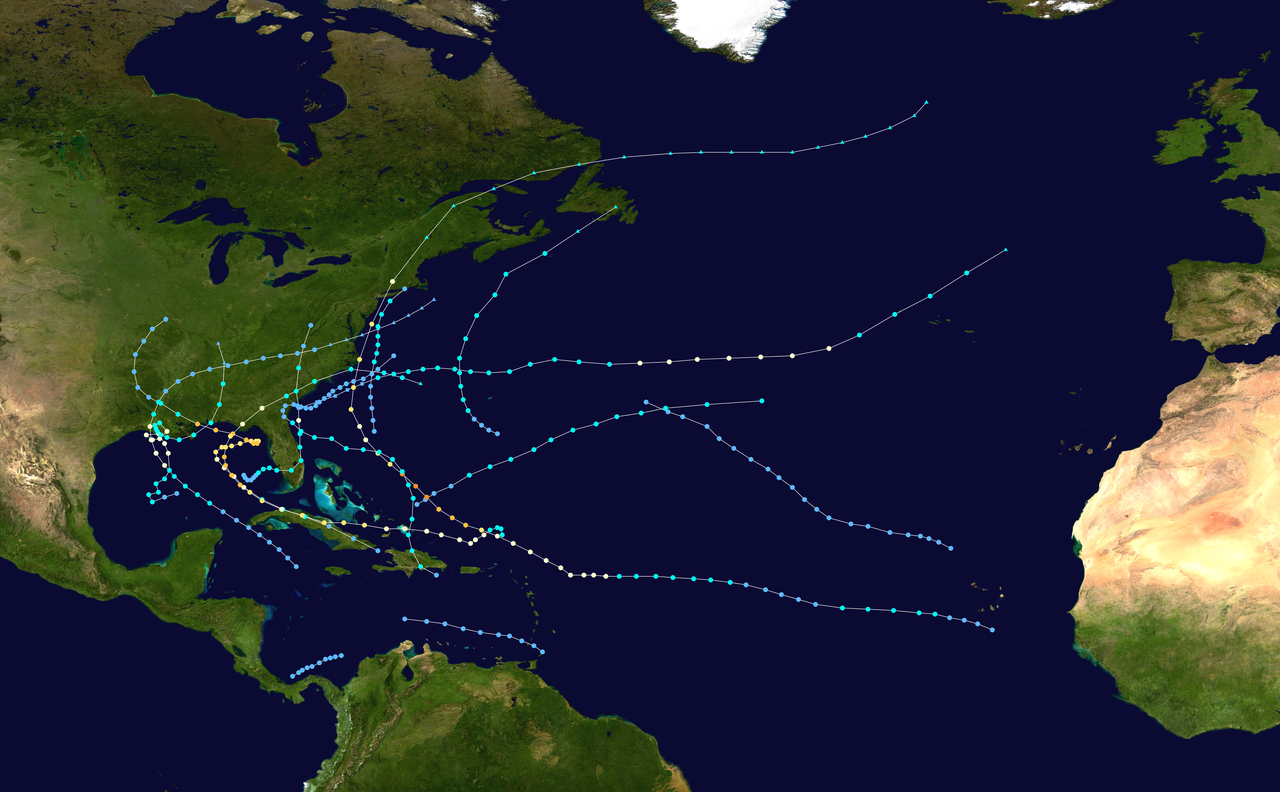
The 1985 Atlantic hurricane season officially ran from June 1 to November 30 of 1985. These dates define the period when tropical cyclones are most likely to form in the Atlantic basin, though storms can develop outside the window. The season is generally regarded as having average overall activity, but it produced several powerful hurricanes that affected coastal areas and shipping lanes.
Image gallery
10 Images




Characteristics and notable storms
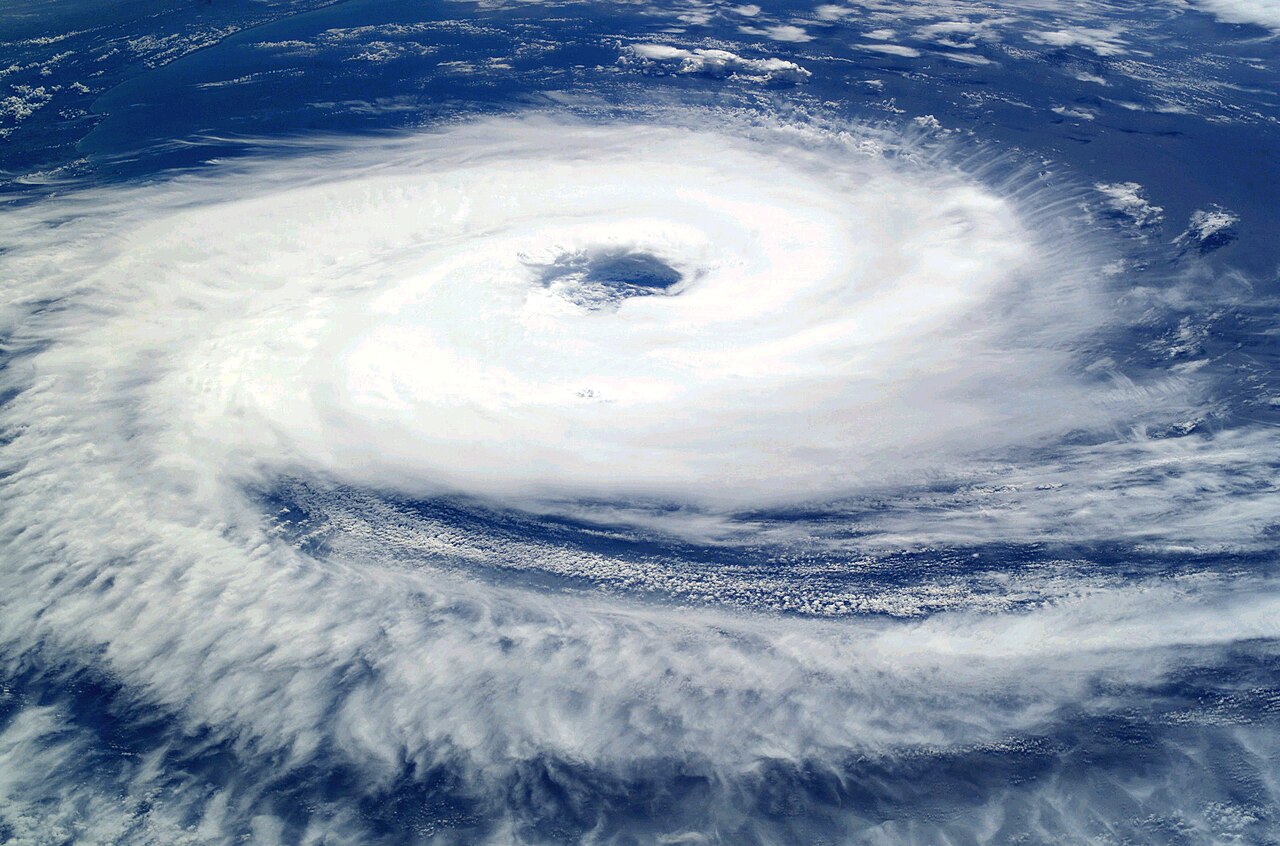
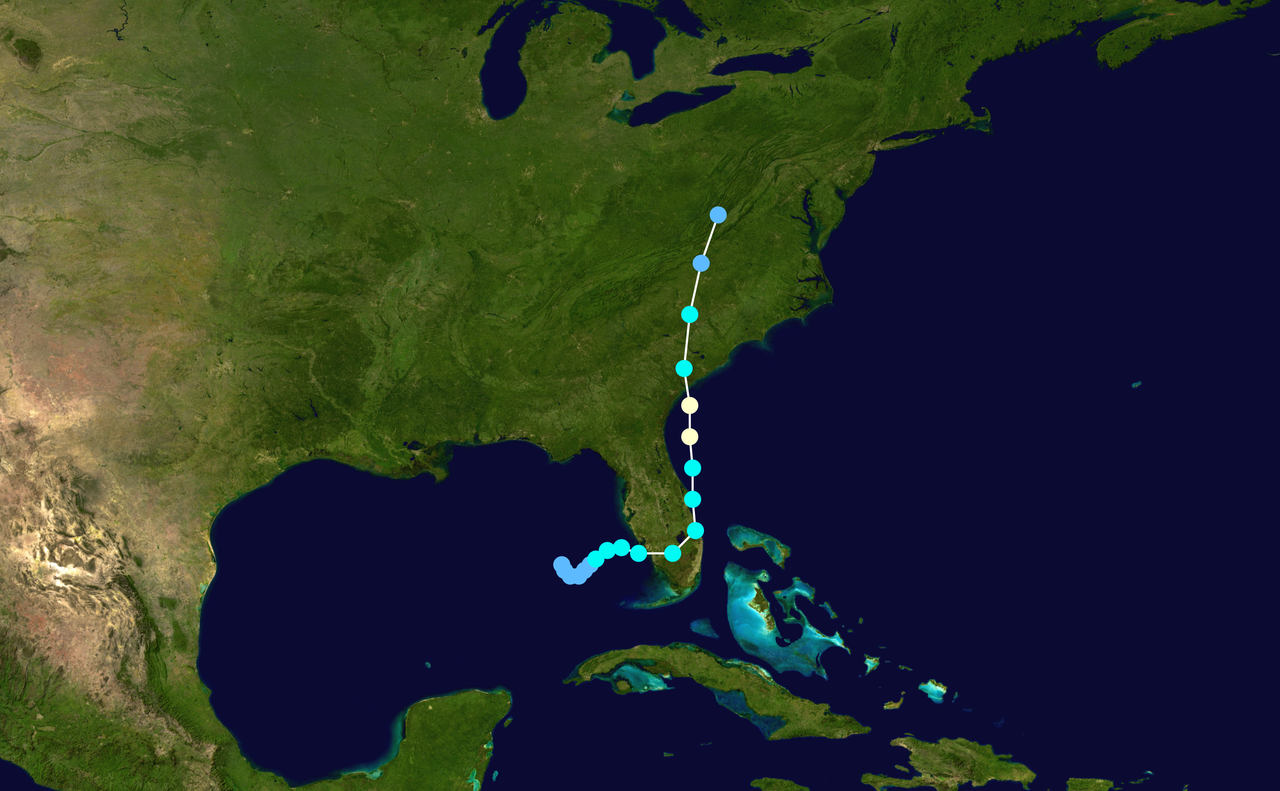
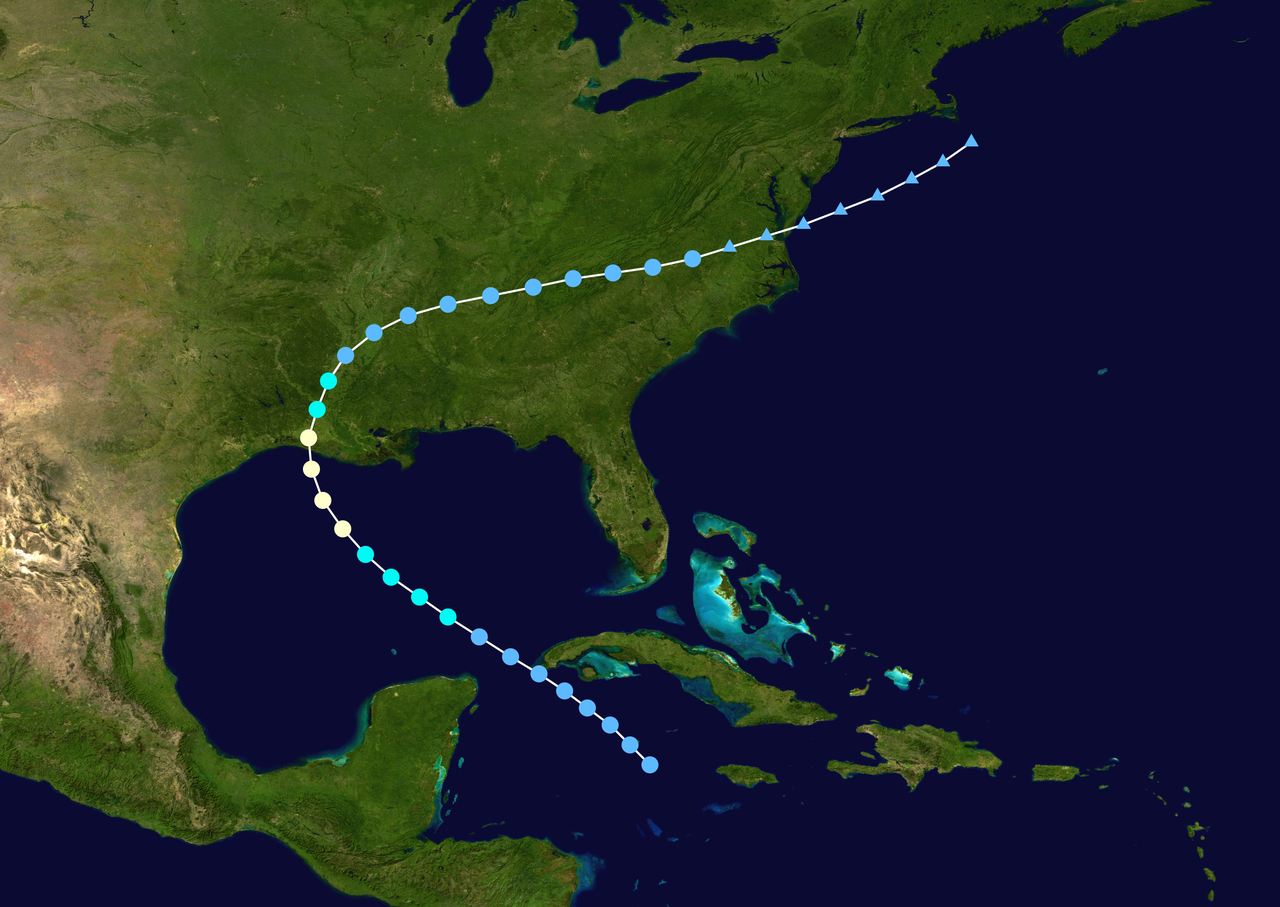
While activity levels vary year to year, 1985 stood out for yielding a number of intense systems. Four particularly notable hurricanes are often singled out when reviewing the season:
These storms reached high wind speeds and generated significant coastal effects such as storm surge, beach erosion, and heavy rainfall. Each produced local impacts along affected shorelines, prompting evacuations and emergency responses.
Season chronology and late activity
Most tropical cyclones formed between June and November, but the season also produced systems outside that interval. A late system, Tropical Depression Thirteen, developed in early December, forming on December 7. Late-season or post-season formations illustrate that the official bounds are probabilistic rather than absolute.
Impacts and response
Storms during 1985 caused varying degrees of disruption to coastal communities, marine operations, and infrastructure. Typical impacts included flooding from heavy rains, wind damage to buildings and vegetation, and interruption of transportation and utilities. The season reinforced the importance of forecasting, timely warnings, and preparedness measures for residents in at-risk regions.
Historical context and significance
The 1985 season is frequently referenced in historical summaries for producing several high-profile hurricanes in a year of otherwise average activity. It also contributed to advances in forecasting and emergency management practices that continued to evolve through the late 20th century. Researchers and planners study seasons like 1985 to better understand variability in tropical cyclone behavior and to improve readiness for future seasons.
Further reading
For storm-by-storm details, meteorological analyses, and official post-season reports, consult archival summaries and agency documents. These sources offer track maps, intensity histories, and assessments of societal impacts for the individual storms listed above.
Related articles
Author
AlegsaOnline.com 1985 Atlantic hurricane season Leandro Alegsa
URL: https://en.alegsaonline.com/art/112199