
1994 Atlantic hurricane season
A below-average Atlantic hurricane season (June 1–Nov 30, 1994) that produced seven named storms, three hurricanes and no major hurricanes; notable for long‑lived Hurricane Gordon and limited storm intensification.
Overview
The 1994 Atlantic hurricane season officially ran from June 1 to November 30, the period when tropical cyclones are most likely to form in the Atlantic basin. Activity in 1994 was below the long‑term average, producing a modest number of named storms and only a few systems that reached hurricane strength. The season is often remembered less for intense storms and more for the unusual persistence of a late‑season hurricane and the human impact associated with it.
Image gallery
10 Images


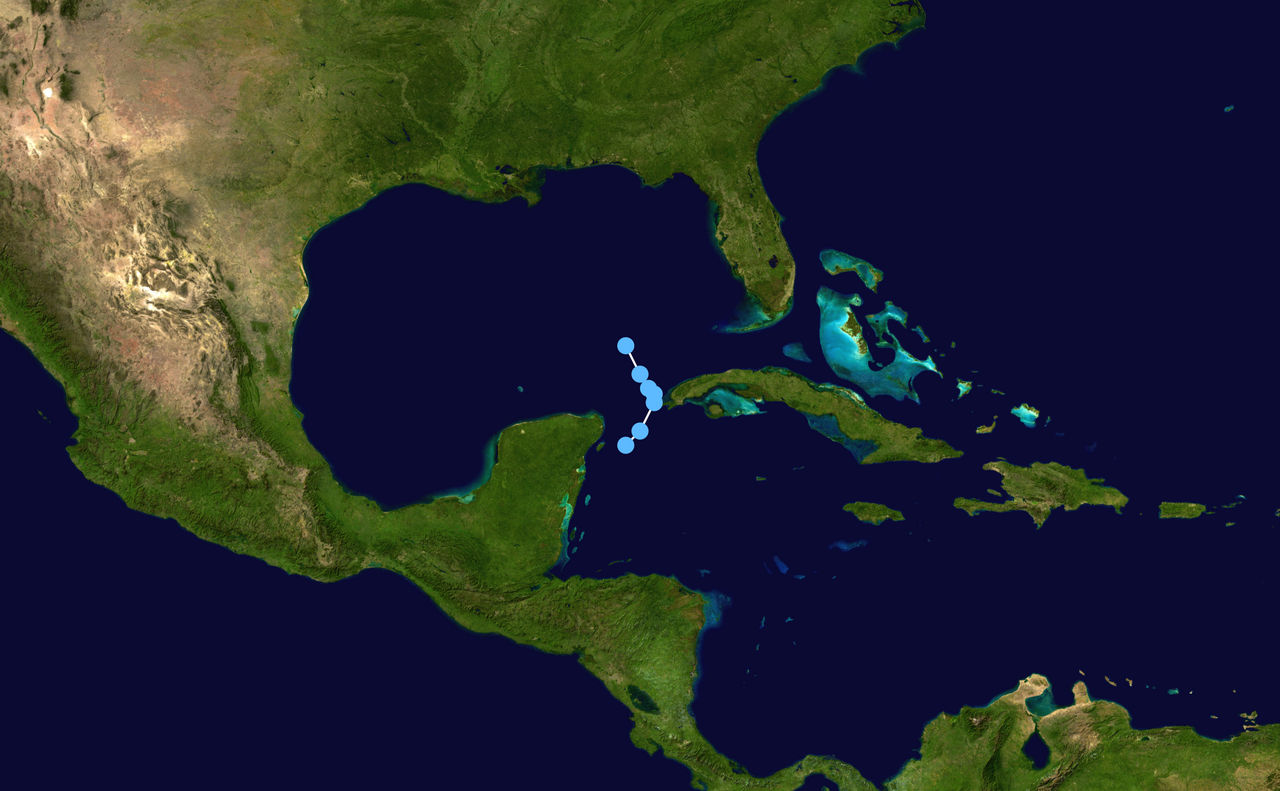


Season summary and characteristics
Forecasters recorded several tropical cyclones during 1994, of which three became hurricanes. No storm intensified to major‑hurricane status (Category 3 or higher on the Saffir–Simpson scale), making 1994 notable for the absence of powerful systems. The strongest storm of the year reached Category 2 intensity with maximum sustained winds near 110 mph (175 km/h). Many systems were short‑lived or struggled to strengthen due to environmental factors that limited development, such as elevated wind shear and pockets of dry air over parts of the tropical Atlantic.
Notable storms
- Hurricane Florence – The season's strongest hurricane, peaking as a Category 2 system with top winds close to 110 mph. Florence reached that intensity but did not become a major hurricane.
- Hurricane Chris – A hurricane that attained moderate strength but remained below major status before weakening.
- Hurricane Gordon – A long‑lived and complex storm that persisted into November. Gordon tracked through parts of the Caribbean and caused extensive rainfall and flooding.
Impacts and human consequences
Although the 1994 season lacked very intense hurricanes, impacts were nonetheless severe in some locations, primarily from heavy rains, flooding and landslides rather than extreme wind. The most significant humanitarian consequence was associated with Hurricane Gordon in November, which brought prolonged torrential rains to parts of the Caribbean. In Haiti, flooding and landslides from that event resulted in a large loss of life and extensive damage; reports from the period attribute at least 1,100 deaths in the country. Other storms in the season produced localized coastal flooding and agricultural losses where they made landfall or passed nearby.
Meteorological context and legacy
The subdued intensity of the season is consistent with years when atmospheric conditions—such as enhanced vertical wind shear and limited tropical Atlantic moisture—suppress the rapid intensification of tropical cyclones. The 1994 season is studied for how storms can still produce disproportionate humanitarian impacts through rainfall and secondary hazards even when sustained‑wind intensities remain moderate. Its late activity and the destructive effects of Gordon also underscore the importance of preparedness through the entire official season.
Further reading
For general seasonal summaries and storm-by-storm details, consult basin overviews and official post‑season reports from meteorological agencies and archives covering the Atlantic basin. More focused accounts of the unusual November system are available under entries for Hurricane Gordon, and humanitarian reports describe the storm's impact on Haiti.
Questions and answers
Q: What was the time frame of the 1994 Atlantic hurricane season?
A: The 1994 Atlantic hurricane season was from June 1 to November 30, 1994.
Q: Do storms sometimes form outside of this time frame?
A: Yes, storms can sometimes form before and after these dates but most storms form during the season.
Q: Was there a Tropical Cyclone that formed after November 30th in this season?
A: No, there was no Tropical Cyclone that formed after November 30th because the last storm, Hurricane Gordon died on November 21st, just nine days before the end of the season.
Q: What is a major hurricane?
A: A major hurricane is one that has Category 3 status or higher on the Saffir-Simpson Hurricane Scale.
Q: How strong was Hurricane Florence in this season?
A: Hurricane Florence had top winds at a Category 2 storm with winds of 110 mph (175 km/h).
Q: How many hurricanes were there aside from Chris, Florence and Gordon in this season?
A: None of the other storms became hurricanes aside from Chris, Florence and Gordon.
Q: What famous hurricane occurred during this season? A: The famous hurricane from 1994 would probably be Hurricane Gordon which was a strange long lived November hurricane that killed at least 1,100 people in Haiti.
Related articles
Author
AlegsaOnline.com 1994 Atlantic hurricane season Leandro Alegsa
URL: https://en.alegsaonline.com/art/112253
Sources
- nl.newsbank.com : "Newsbank"
- nhc.noaa.gov : Tropical Cyclone Report for Tropical Depression Two.
- Commons