
Hurricane Gloria (1985)
Hurricane Gloria was a powerful Atlantic hurricane in late September 1985 that threatened the U.S. East Coast, made landfall near Long Island and southern New England, and caused wind damage, storm surge, flooding and outages.
Overview
Hurricane Gloria was a notable Atlantic tropical cyclone in late September 1985 that attracted attention because of its track toward heavily populated areas of the U.S. East Coast. It developed over the open Atlantic, intensified to become a major hurricane over warm waters, and then weakened as it approached the continental shelf and the cooler waters near the coast. Forecasters closely watched its forward motion and size because both affected the timing and extent of hazardous winds and coastal inundation.
Image gallery
10 Images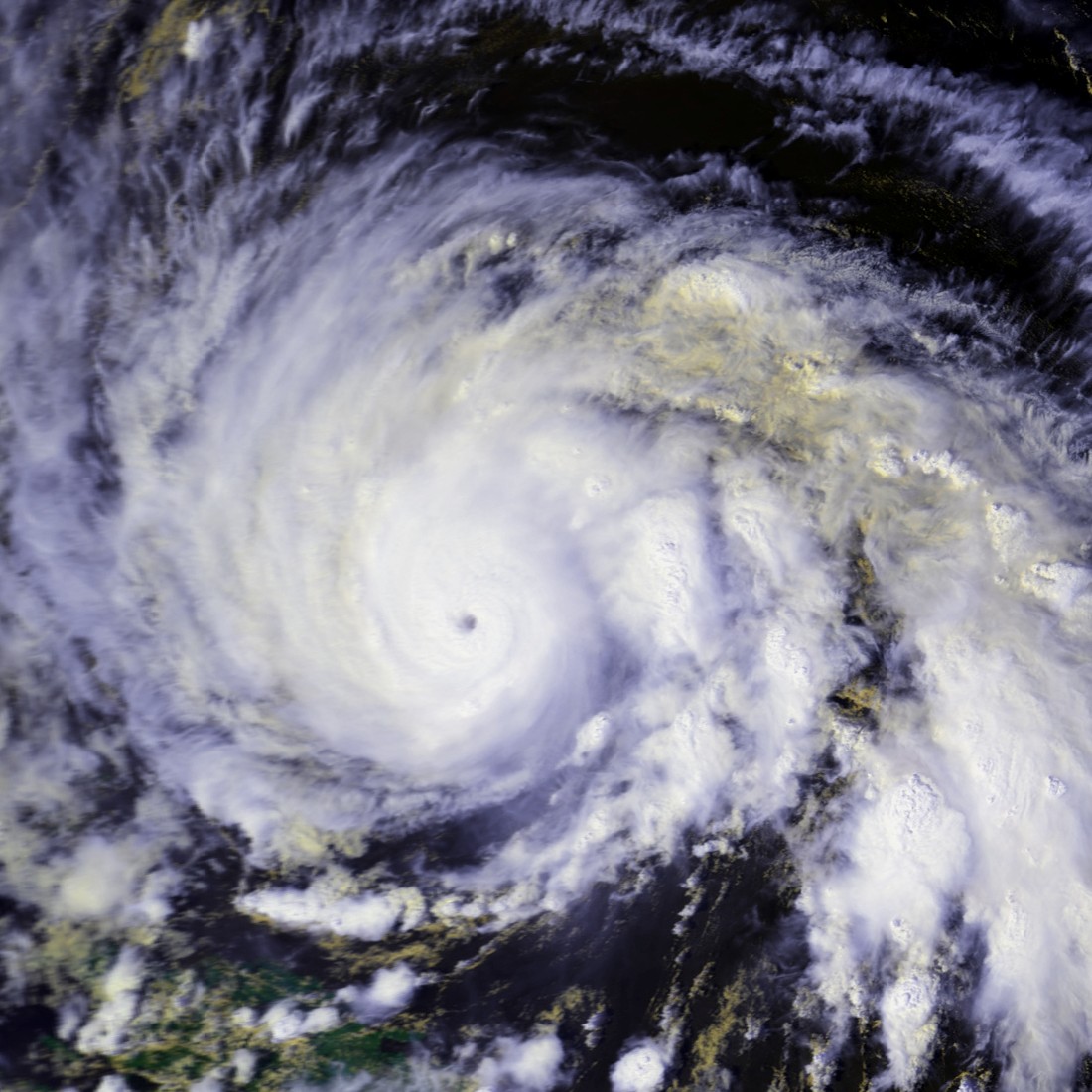




Meteorological history
Gloria originated from a tropical disturbance that organized and acquired tropical cyclone characteristics while moving westward across the Atlantic. The storm developed a defined center and deep convective bands, and underwent a period of intensification well away from land. Environmental changes, including cooler shelf waters and increasing shear, led to some weakening before the system approached the Mid-Atlantic and New England coasts, although it retained a compact core of strong winds.
Path and landfall
In its final approach Gloria tracked northwestward toward the U.S. Mid-Atlantic and southern New England. The storm passed close to or over portions of Long Island and parts of coastal New England, producing the most intense conditions near the coastline. Because the center lingered nearshore for a time, many coastal communities experienced prolonged periods of high winds, elevated tides, and waves that resulted in beach erosion and localized coastal flooding.
Preparations
State and local authorities issued tropical storm and hurricane warnings for vulnerable coastal areas. Officials promoted evacuations of low-lying and flood-prone zones, opened shelters, and urged residents to secure property, board up windows, and move boats and vehicles to safer locations. Utilities prepared crews for post-storm restoration and transportation services adjusted schedules in anticipation of hazardous conditions.
Impacts
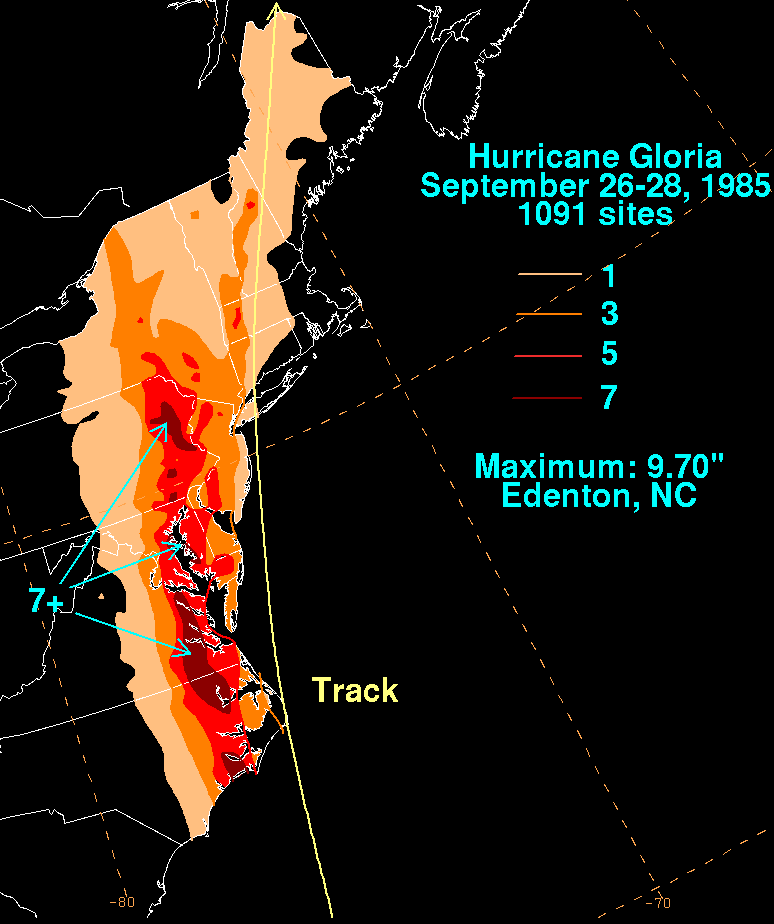
The primary hazards from Gloria included damaging winds, storm surge along exposed shorelines, large battering waves, and heavy rainfall producing freshwater flooding inland. Strong winds downed trees and power lines, causing widespread and sometimes prolonged electrical outages. Coastal communities experienced beach loss and inundation of low-lying streets and properties. The storm disrupted travel, closed some bridges and ferries temporarily, and affected utility and emergency services.
Aftermath and response
In the days following the storm, emergency crews worked to clear debris, restore power, and assist residents with flood-damaged homes. Federal, state and local agencies coordinated relief efforts and damage assessments. The event reinforced the importance of preparedness, timely warnings, and resilient coastal planning in densely developed regions.
Significance and legacy
Gloria is remembered as one of the more impactful storms to threaten the Mid-Atlantic and New England coasts during the 1980s. It highlighted vulnerabilities of developed shorelines and the need for improved forecasting, evacuation planning and infrastructure resilience. Lessons from the storm informed subsequent emergency management practices and public awareness about coastal storm risks.
Notable facts
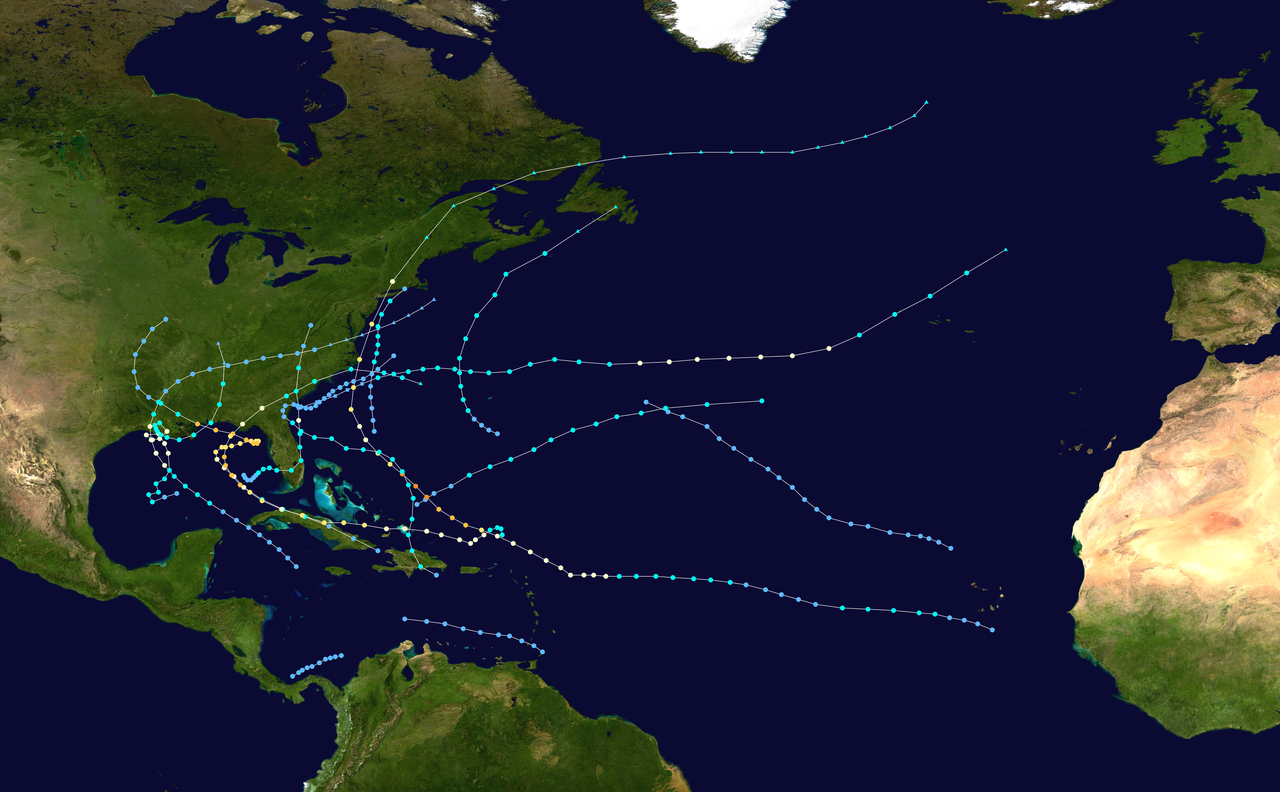
- Gloria was part of the active 1985 Atlantic hurricane season.
- Its combination of wind, surge and rain affected urban and suburban communities as well as coastal resorts.
- The storm prompted large-scale preparations in advance of landfall, illustrating how forecasts influence public action.
Questions and answers
Q: What is Hurricane Gloria?
A: Hurricane Gloria was a category 4 hurricane that affected the Northeastern United States and parts of Canada in September 1985.
Q: When did Hurricane Gloria occur?
A: Hurricane Gloria occurred in September 1985.
Q: What was the intensity of Hurricane Gloria?
A: Hurricane Gloria was a category 4 hurricane, which means it had wind speeds between 130 and 156 mph.
Q: Which areas did Hurricane Gloria affect?
A: Hurricane Gloria affected the Northeastern United States and parts of Canada, including Long Island, Rhode Island, Massachusetts, Connecticut, and Quebec.
Q: What kind of damage did Hurricane Gloria cause?
A: Hurricane Gloria caused widespread damage, including power outages, flooding, and property damage. Several people were also killed because of the storm.
Q: Was Hurricane Gloria one of the deadliest hurricanes in history?
A: No, Hurricane Gloria was not one of the deadliest hurricanes in history, but it was still a powerful storm that caused significant damage.
Q: How did authorities respond to Hurricane Gloria?
A: Authorities responded to Hurricane Gloria by evacuating people from low-lying areas, setting up emergency shelters, and distributing supplies to those in need.
Related articles
Author
AlegsaOnline.com Hurricane Gloria (1985) Leandro Alegsa
URL: https://en.alegsaonline.com/art/45894
Sources
- aoml.noaa.gov : "Tropical Cyclones of 1985"
- aoml.noaa.gov : "Ten U.S. Landfalling Hurricanes"