
United States invasion of Grenada (Operation Urgent Fury)
A concise encyclopedic overview of the 1983 U.S.-led military intervention in Grenada, its causes, conduct, international reaction, and political and military aftermath.
Overview
The United States invasion of Grenada, conducted under the codename Operation Urgent Fury, was a short‑duration military intervention in late October 1983. The action targeted the Caribbean island nation of Grenada and involved U.S. forces supported by contingents from Jamaica and regional security partners. The operation was justified by U.S. political leaders on grounds of protecting foreign nationals and restoring order after internal political turmoil on the island, and it took place against the wider backdrop of Cold War tensions in the Caribbean.
Image gallery
10 Images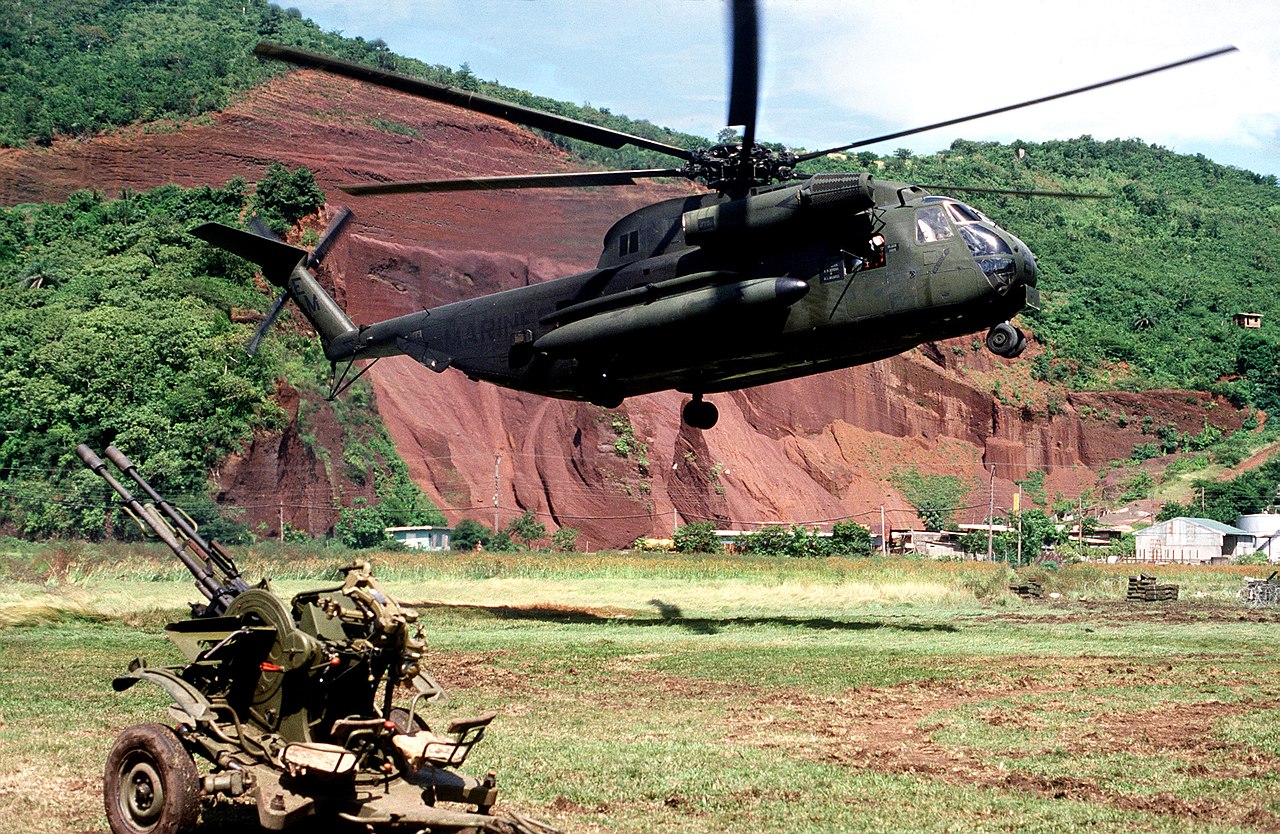


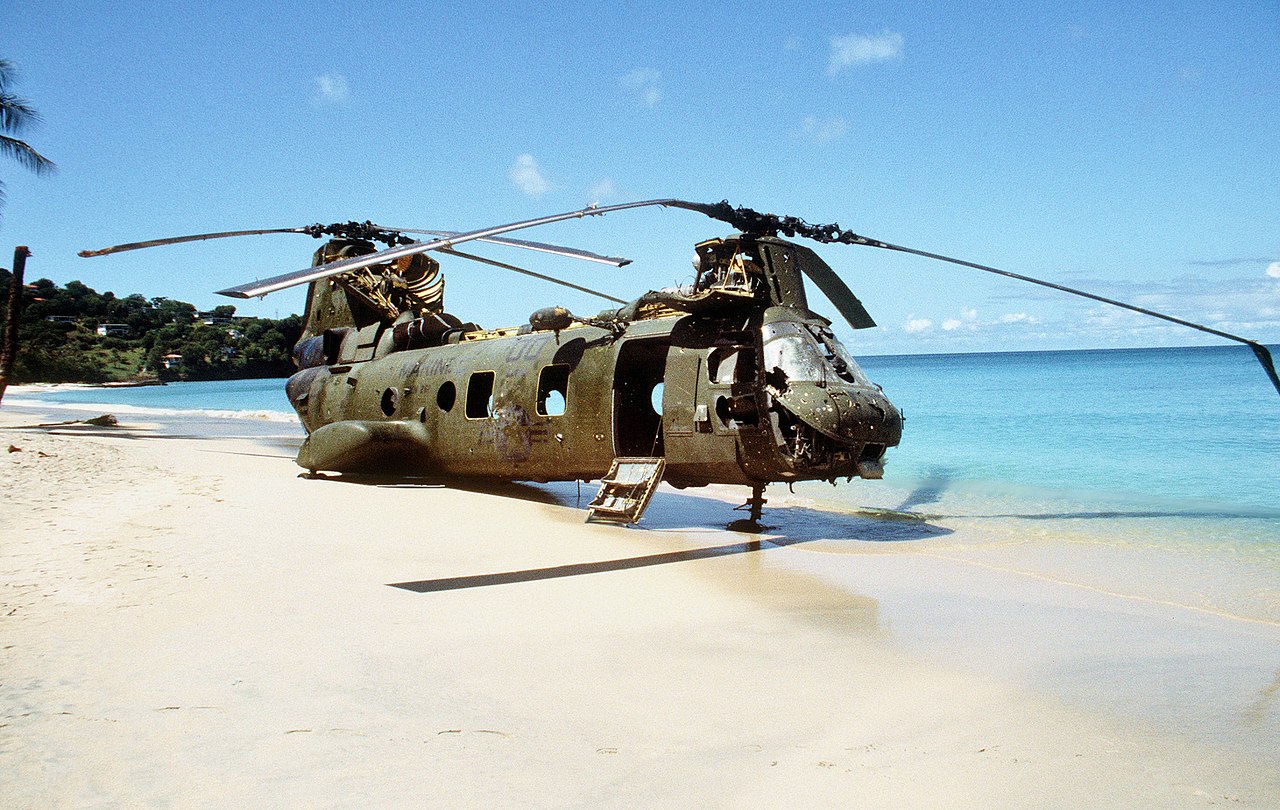


Background and causes
In 1979 Grenada experienced a revolution led by the New Jewel Movement, which established a Marxist‑oriented government. Internal disagreements culminated in a violent power struggle in 1983 that left the government leadership fractured. Reports of executions and the detention of political figures, together with the presence of Cuban workers and advisors assisting infrastructure and military projects, alarmed U.S. policymakers. These events provided the immediate political context for U.S. intervention, which its supporters framed as a response to instability and external influence in the region (see analysis, see timeline).
Forces and conduct of operations
The intervention involved a combination of airborne, amphibious and special operations forces. U.S. units landed at multiple points, including the airport and coastal beaches, to secure key installations and evacuate foreign nationals. Caribbean partners contributed a smaller infantry element under the Regional Security System banner. Fighting was concentrated around military and governmental sites, and operations included attempts to reestablish civil authority and secure transport links. The campaign was completed in a few days, though occupation and stabilization actions continued afterward (military summary, operations map).
International reaction and legal debate
The invasion prompted vigorous debate about its legality and propriety. Several governments and international bodies criticized the United States for acting without prior authorization from the United Nations Security Council. Supporters argued the intervention was necessary to protect citizens and promote regional stability; critics viewed it as a breach of sovereignty. The episode highlighted differing perspectives among allies and within international organizations on the use of force in response to internal crises (diplomatic responses, UN reactions).
Aftermath and significance
Following removal of the ruling authorities, a transitional administration was installed and Grenada moved toward restored constitutional governance and later elections. The intervention had lasting effects on regional security arrangements and U.S. military practice. In particular, the operation exposed shortcomings in joint planning and interservice coordination that contributed to later reforms in U.S. defense organization and doctrine. The event remains a subject of study for its implications in international law, regional politics, and military reform (post-conflict developments, lessons learned).
Key points
- Operation name: Operation Urgent Fury (overview).
- Main actors: United States, Jamaican and regional security forces, and local Grenadian authorities.
- Context: internal political coup, Cold War rivalries, and concerns about foreign advisors and construction projects.
- Legacy: debate over legality, regional diplomatic consequences, and reforms to U.S. military joint operations.
Related articles
Author
AlegsaOnline.com United States invasion of Grenada (Operation Urgent Fury) Leandro Alegsa
URL: https://en.alegsaonline.com/art/112184