
82nd Punjabis (regiment of the British Indian Army)
Infantry regiment raised in Madras in 1788 that later recruited from Punjab and NWFP, became the 82nd Punjabis in 1903 and was allocated to Pakistan at partition in 1947.
Overview
The 82nd Punjabis were an infantry regiment of the British Indian Army. Raised in Madras in the late 18th century, the unit evolved over more than a century and a half of service as recruitment, organization and names changed. It is historically associated with the colonial Indian military system and, after the partition of British India in 1947, with the armies of the successor states.
Image gallery
3 Images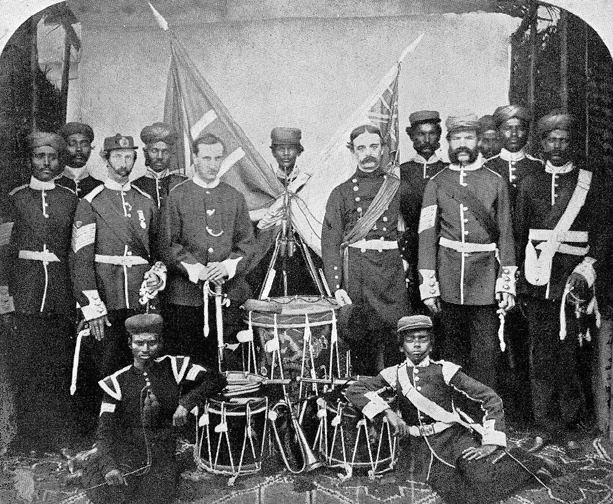


Origins and recruitment
The regiment began life in 1788 under the Madras Presidency of British India and served initially alongside other presidency units. Over the 19th century the composition shifted: recruits increasingly came from the Punjab region and the North-West Frontier Province (NWFP). In 1903, following wide-ranging reforms of the Indian Army, the unit was officially designated the 82nd Punjabis, reflecting this change in recruiting and identity. These developments relate to the broader policies of the British Indian Army, discussed in sources about the British Indian Army and the colonial presidencies such as Madras.
Service history and deployments
From its formation the regiment took part in the routine duties and campaigns expected of an imperial infantry battalion: internal policing, frontier operations, and expeditionary service abroad when required. During the 19th and early 20th centuries units like the 82nd Punjabis were deployed in a variety of theaters, including operations on the subcontinent's frontiers and overseas campaigns during the world wars and other imperial conflicts. The precise roster of engagements varied over time, but the regiment shared the broad experience of Indian Army formations that served both within South Asia and in multiple external theaters in the first half of the 20th century.
Organization, identity and traditions
The change in name to "Punjabis" signaled a shift in who composed the ranks: soldiers drawn from Punjabi and frontier communities became the regiment's main sources of manpower. Like other Indian regiments, it developed battalion-level traditions, colors and a regimental identity shaped by ethnic composition, service record and British military administration. The unit later formed part of larger regimental groupings during army reorganizations and became associated with the First Punjab formation.
Post‑colonial allocation and legacy
When British India was partitioned in 1947 and the new states of India and Pakistan were created, many historic regiments were allotted to one army or the other according to recruitment areas and seniority. The lineage of the 82nd Punjabis was continued within the Punjab Regiment of the Pakistan Army; contemporary accounts and institutional histories discuss this transition and the continuing legacy in Pakistan's military formations, including material available through sources on the Pakistan Army.
Notable facts and distinctions
- The regiment's history spans the presidency army system of the 18th and 19th centuries to the regimental system of the 20th century.
- Name changes reflect broader reforms of 1903 that standardized Indian Army regiments and emphasized regional recruitment patterns.
- Its descendants form part of the modern Punjab Regiment, preserving battalion lineages and some regimental traditions.
For additional reading on the wider institutional and regional context of units such as the 82nd Punjabis, see works on the structure of the British Indian Army, regional military history of Madras and Punjab, and the post‑1947 reorganizations affecting forces allocated between India and Pakistan and integrated into the Pakistan Army.
Related articles
Author
AlegsaOnline.com 82nd Punjabis (regiment of the British Indian Army) Leandro Alegsa
URL: https://en.alegsaonline.com/art/113073