
Sunday — overview, observances, and cultural role
Sunday is a day of the week associated with rest, worship, and leisure. Its status varies internationally: part of the weekend in many places, a religious day for Christians, and treated differently by calendars and laws.
Overview
Sunday is one of the seven days of the week and is commonly associated with the end or start of the weekly cycle depending on local convention. In many societies it forms part of the weekend along with Saturday. Socially and economically, Sunday has long been linked with rest, reduced business hours and leisure activities.
Image gallery
4 Images


Names and calendar placement
The English name derives from an old Germanic translation of Latin "dies Solis," literally "Sun's day." Different calendars treat Sunday differently: some cultures place Sunday at the start of the week while others place it at the end. For example, calendars in the United States commonly show Sunday as the first day of the week, whereas many publications and traditions in the United Kingdom present it as the last. International standards (such as ISO 8601) designate Monday as the first day of the week, which places Sunday as the seventh.
Religious and ceremonial significance
Sunday is central to many Christian traditions as a principal day of worship and assembly. It is often observed as a weekly day of rest or Sabbath by some denominations and as a primary day of worship for congregational services. Christians worldwide mark important events such as the celebration of the Resurrection on Easter, which always falls on a Sunday. Religious practices on this day vary in style and emphasis between different groups of Christians.
Common uses and cultural practices
For many people Sunday is a time for relaxation, family gatherings and cultural routines. Typical activities include:
- Attending religious services or community meetings.
- Family meals, leisure outings and gentle recreation.
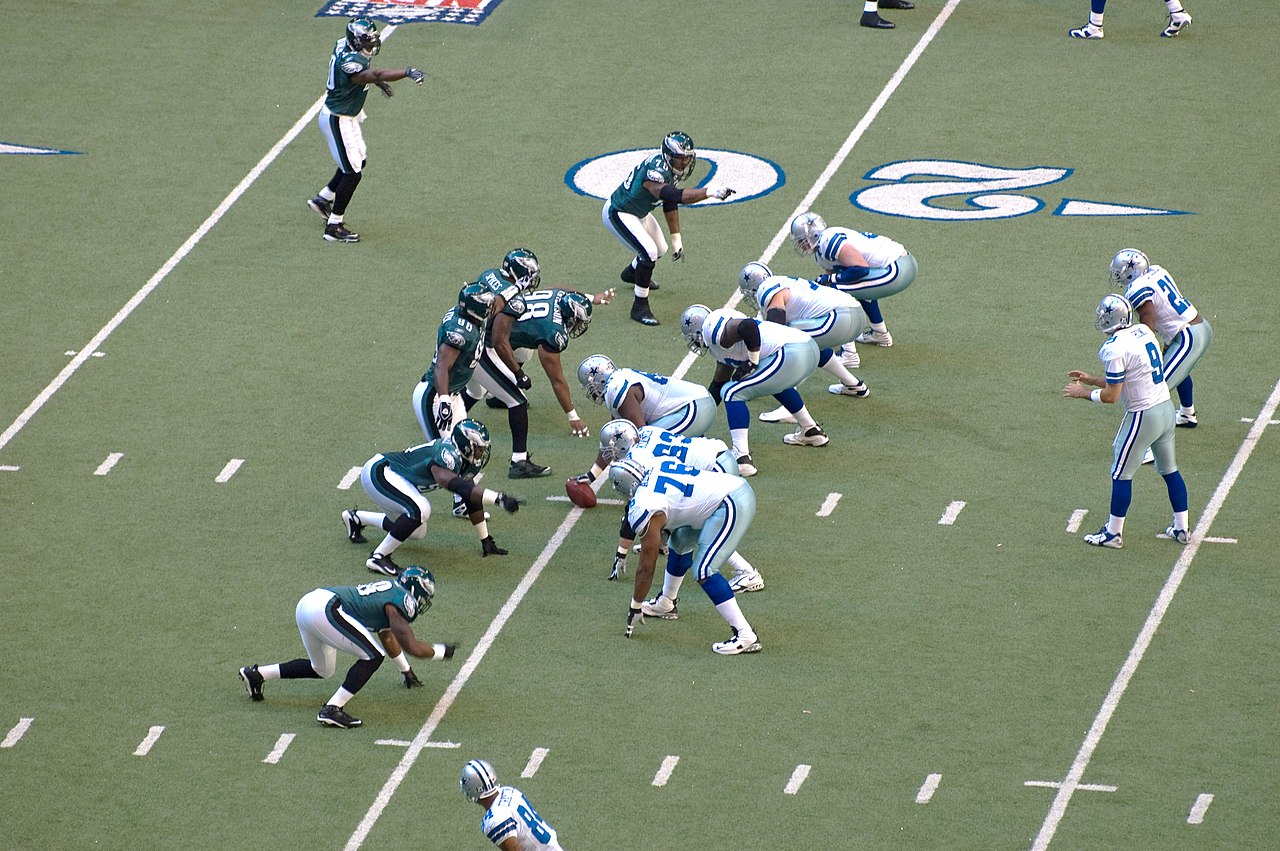
- Sports events, concerts and broadcast programming scheduled for larger audiences.
- Reduced business hours for some shops and public services, though many modern retail and transport services remain open.
Legal frameworks and regional differences
Different legal systems treat Sunday in distinct ways. In some countries it is a formal public holiday or non-working day enshrined in law; in others, commercial activities continue nearly unchanged. Historical restrictions on Sunday commerce and behavior — sometimes called "Sunday laws" or "blue laws" — persisted in various forms into the modern era. Regional workweeks also vary: for example, in parts of the Middle East the weekend may fall on Friday and Saturday, making Sunday a regular workday in those contexts.
Historical notes and distinctions
The present cultural role of Sunday reflects layers of older practice: ancient solar cults influenced its name; early Christian communities adopted the day to commemorate the Resurrection; later legal and social institutions reinforced its association with rest. Today, Sunday remains a flexible social institution shaped by religious observance, economic patterns and calendar conventions. For reference on the seven-day structure and weekend usage see general notes on the seven-day week, modern conventions about the weekend, and the adjacent role of Saturday in weekend traditions.
For further reading about specific national practices and historical development, consult resources that address religious observance, labor law, and calendar history. Authoritative overviews and religious calendars provide more detail on how Sunday functions in different communities and legal systems.
Sabbath notation and worship customs vary widely; see specialized sources for denominational perspectives. General cultural references can be found via broad summaries of Christian practice and weekly scheduling norms.
Note: conventions around Sunday continue to evolve with changing work patterns, retail habits and leisure trends.
Related articles
Author
AlegsaOnline.com Sunday — overview, observances, and cultural role Leandro Alegsa
URL: https://en.alegsaonline.com/art/94884