
Meditation: practices, history, techniques, and benefits
Meditation is a set of mental practices that cultivate focused attention, relaxed awareness, and insight. This article explains methods, history, benefits, and practical guidance for beginners and experienced practitioners.
Overview
Meditation denotes a range of disciplined mental practices intended to cultivate attention, emotional balance, clarity, or a calmer state of consciousness. Rather than a single technique, meditation is a family of methods that train the mind to rest more steadily on chosen objects—such as the breath, bodily sensations, sounds, or an open awareness—reducing habitual reactivity and increasing present-moment clarity. Many people practice meditation for mental health, spiritual growth, or improved concentration.
Image gallery
10 Images





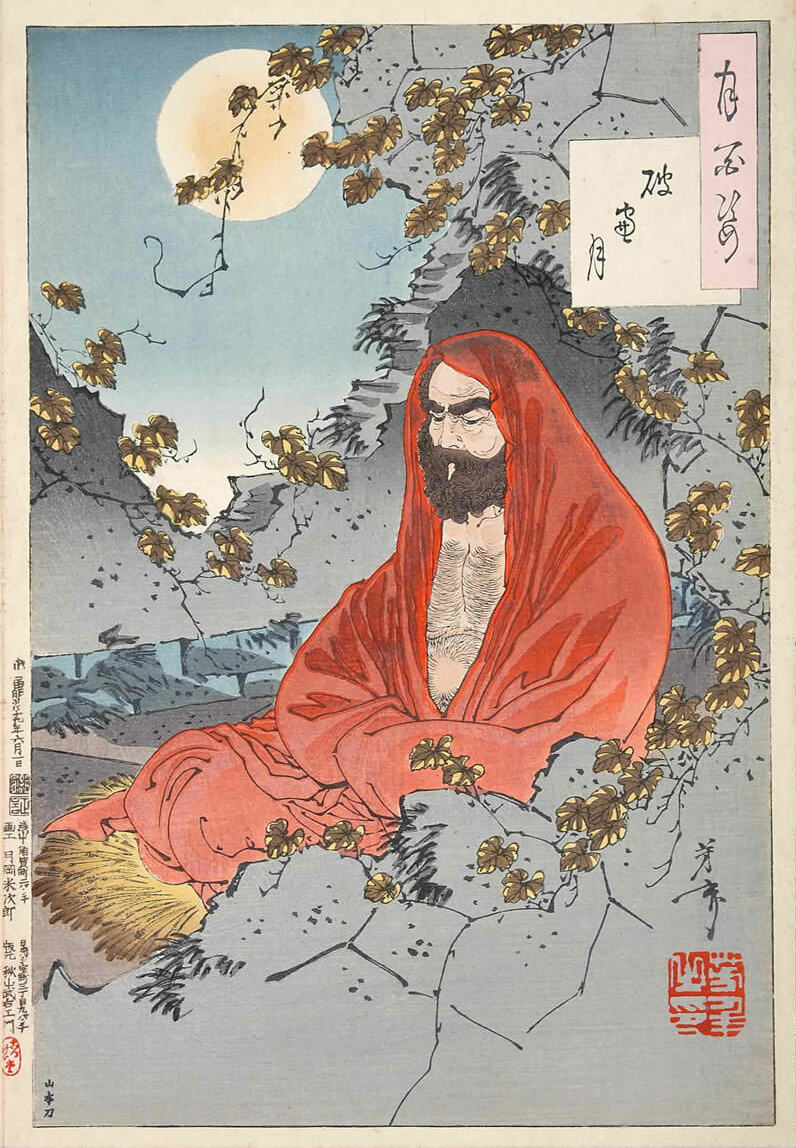


Common forms and techniques
Techniques vary widely across traditions and contemporary secular programs. Common categories include:
- Focused attention: sustaining attention on a single point, like the breath or a mantra.
- Open monitoring: nonreactive awareness of whatever arises in experience without fixation.
- Loving-kindness and compassion practices: deliberately cultivating benevolent intentions toward oneself and others.
- Movement-based methods: gentle, mindful movement such as walking meditation or forms of yoga.
These variations are found in many religious and secular contexts; for example, meditative concentration and mindfulness are central to Buddhist systems (Buddhism), contemplative prayer traditions appear in Christian history (Christianity), Taoist practices emphasize naturalness and awareness (Taoism), and meditation is integral to Hindu spiritual disciplines including the practices associated with Hinduism and Yoga. Other faiths and indigenous traditions also include contemplative techniques (other religions).
History and development
Meditative practices have deep historical roots, with some of the earliest textual records appearing in the religious and philosophical literature of South Asia. Over centuries these practices evolved into diverse systems—monastic, ritual, contemplative, and lay-oriented—within multiple cultures. In the twentieth and twenty-first centuries, meditation spread globally and entered scientific and clinical settings, where it was adapted into secular programs aimed at stress reduction, cognitive training, and mental health support.
Benefits and applications
Contemporary interest in meditation often emphasizes its practical benefits. Regular practice is associated with improved attention, emotional regulation, and stress resilience. Clinicians and researchers have evaluated meditation-based programs for conditions such as anxiety, depression, chronic pain, and sleep difficulties, and many people report better concentration, reduced reactivity, and a greater sense of well-being. While results vary by method and individual, meditation is widely used as a complementary practice for mental and physical wellness.
How to begin and common guidance
Beginners are usually encouraged to start with short, regular sessions—five to twenty minutes daily—focusing on simple anchors such as the breath or bodily sensations. Practical tips include choosing a stable posture, allowing thoughts to arise without judgment, and returning gently to the chosen anchor when attention wanders. Teachers stress consistency over duration and advise learning from experienced instructors or structured programs when possible. Mindfulness courses and guided meditations can help establish a stable practice.
Distinctions, cautions, and notable facts
Meditation is not a quick cure-all; effects depend on method, frequency, and individual context. For some people, intense practice can surface difficult emotions or memories—clinical support may be needed if such experiences occur. Different traditions emphasize varying goals—ethical cultivation and insight in some systems, relaxation and cognitive training in others—so choosing an approach aligned with personal aims is helpful. For more background on specific approaches and contemporary adaptations, see introductory resources linked above: relaxation and awareness, and tradition-specific pages for Buddhism, Christianity, Taoism, Hinduism, Yoga, and other traditions.
Questions and answers
Q: What is meditation?
A: Meditation is a practice that involves training your attention and awareness in order to achieve a calmer and clearer state, often by trying to go beyond the "thinking" mind.
Q: Why is it difficult to define meditation?
A: Scholars have found it difficult to define meditation because the practices vary between traditions and within them.
Q: Which religions commonly practice meditation?
A: Meditation is a common practice in many religions, including Buddhism, Christianity (sometimes), Taoism, Hinduism (where Yoga is important), and other religions.
Q: What are some of the benefits of meditation?
A: Many health benefits have been associated with meditation, including reduced stress and anxiety, improved attention and concentration, and increased feelings of well-being and happiness.
Q: Where did the practice of meditation originate?
A: The initial origin of meditation is from the Vedic times of India.
Q: What is the goal of meditation?
A: The goal of meditation is to train your attention and awareness in order to achieve a calmer and clearer state of mind, often by going beyond the "thinking" mind.
Q: How does meditation differ between different traditions?
A: Meditation practices can vary significantly between different traditions, both in terms of the techniques used and the overall goals of the practice.
Related articles
Author
AlegsaOnline.com Meditation: practices, history, techniques, and benefits Leandro Alegsa
URL: https://en.alegsaonline.com/art/63442
Sources
- kamalashila.co.uk : kamalashila.co.uk
- accesstoinsight.org : accesstoinsight.org/tipitaka/an/an03/an03.088.than.html
- accesstoinsight.org : accesstoinsight.org/tipitaka/an/an03/an03.089.than.html
- accesstoinsight.org : accesstoinsight.org/tipitaka/sn/sn35/sn35.204.than.html