
Zohra Sehgal — Indian Dancer, Actress and Cultural Figure
Comprehensive overview of Zohra Sehgal’s life and career as a dancer, choreographer and character actress whose work spanned stage, film and television across India and the UK.
Zohra Sehgal (born Zohra Begum Mumtaz-ullah Khan; 27 April 1912 – 10 July 2014) was an Indian dancer, choreographer and actress whose professional life extended for more than seven decades. She first came to public attention in the mid-1930s as a member of Uday Shankar’s dance company and later established a long career in theatre, Hindi cinema and English-language film and television. Sehgal was widely admired for her vitality, expressive movement, comic timing and the versatility she brought to character roles.
Image gallery
3 Images

Early life and training
Sehgal was born in Saharanpur, in what is now the state of Uttar Pradesh, into a family with an educated, urban background. Her early interest in the performing arts led her to join Uday Shankar’s troupe in 1935, where she received rigorous stage training in contemporary dance techniques that blended Indian classical elements with modern theatrical presentation. Her formative years as a dancer and choreographer provided a foundation in physical storytelling that later informed her stage and screen acting.
Theatre and screen career
After leaving Shankar’s company, Sehgal moved into dramatic theatre and gradually into film and television. She became known as a dependable character actor, often called on to play matriarchal figures, witty companions or sharp comedic parts. Her screen work included roles in mainstream Hindi cinema as well as in British television dramas and European co-productions, helping to expand the visibility of South Asian performers in international projects.
Notable roles and style
Sehgal’s performances were marked by economy of gesture, a lively presence and precise timing. She appeared in a variety of films ranging from independent and art-house titles to popular Bollywood productions, and she was equally at home in television serials. Her credits include appearances in ensemble and supporting roles that were frequently singled out by critics and audiences for their warmth and distinctive personality.
Honours, beliefs and later life
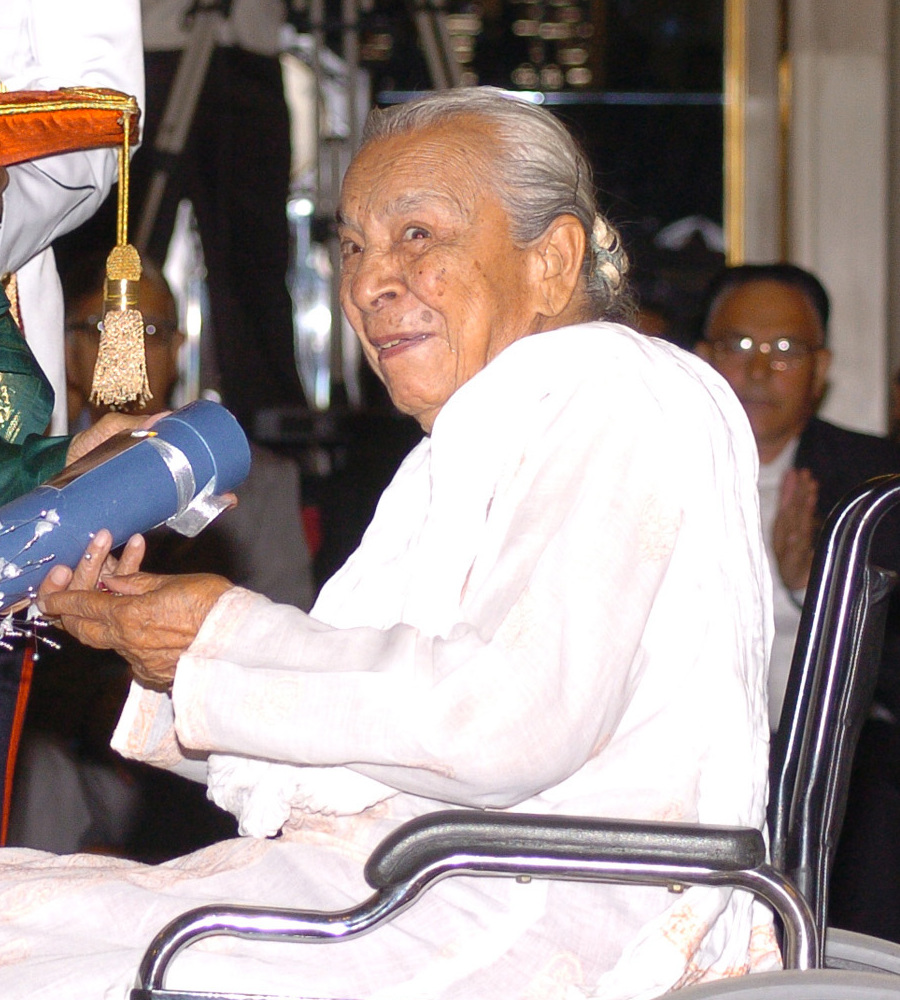
In recognition of her long contribution to the arts, Sehgal received national honours. In later life she spoke publicly about her personal beliefs, describing herself with terms such as agnostic after earlier identifying as atheist in youth. She maintained an active public presence well into advanced age and continued to inspire younger generations of performers with her longevity and commitment to craft.
Death and legacy
Zohra Sehgal died in New Delhi in 2014 at the age of 102 following illness. Her career is remembered for bridging different performance traditions—dance, theatre and cinema—and for opening pathways for South Asian artists in international media. Her life and work are often cited in discussions of 20th-century Indian performing arts and the global circulation of South Asian talent.
Selected film and television credits
- Bhaji on the Beach (1992)
- The Jewel in the Crown (television, 1984)
- Tandoori Nights (television, 1985–87)
- Dil Se.. (1998)
- The Mystic Masseur (2001)
- Bend It Like Beckham (2002)
- Cheeni Kum (2007)
- Amma and Family (1996)
Further reading and sources
- Biography and career overview
- Selected filmography and Bollywood work
- Early dance work with Uday Shankar
- Interviews and personal reflections
- English-language film and television appearances
- Saharanpur: birthplace and early context
- Uttar Pradesh: regional background
- Family background and social setting
- Information on the Padma Vibhushan award
- Remarks on personal beliefs
- Discussions of atheism and agnosticism
- Reports of her death in New Delhi
- Medical context: cardiac arrest
- Pneumonia and related complications
Note: This article summarizes broadly known aspects of Zohra Sehgal’s life and career without attempting to catalogue every performance. For detailed filmography, archival interviews and scholarly analysis consult specialist sources and the links listed above.
Related articles
Author
AlegsaOnline.com Zohra Sehgal — Indian Dancer, Actress and Cultural Figure Leandro Alegsa
URL: https://en.alegsaonline.com/art/110685
Sources
- pib.nic.in : "This Year's Padma Awards announced"
- hinduonnet.com : "Ninety and spunky"
- indiatoday.intoday.in : "Zohra Sehgal Dies at 102"