
Bollywood: the Hindi-language film industry of India
Bollywood is the Mumbai-based Hindi-language film industry, noted for song-and-dance musicals, star-driven genres, mass entertainment films (masala), and a large global South Asian audience.
Overview
Bollywood is the informal name for the Hindi-language film industry centered in Mumbai (formerly Bombay). It is one of India’s most visible cinema traditions and a major source of popular films in the Hindi language. The label itself fuses the city's former name with Hollywood to indicate a commercial film industry. While the term is often used loosely to refer to Indian cinema in general, it most precisely denotes Hindi-language feature filmmaking and its related production, distribution and exhibition networks.
Image gallery
8 Images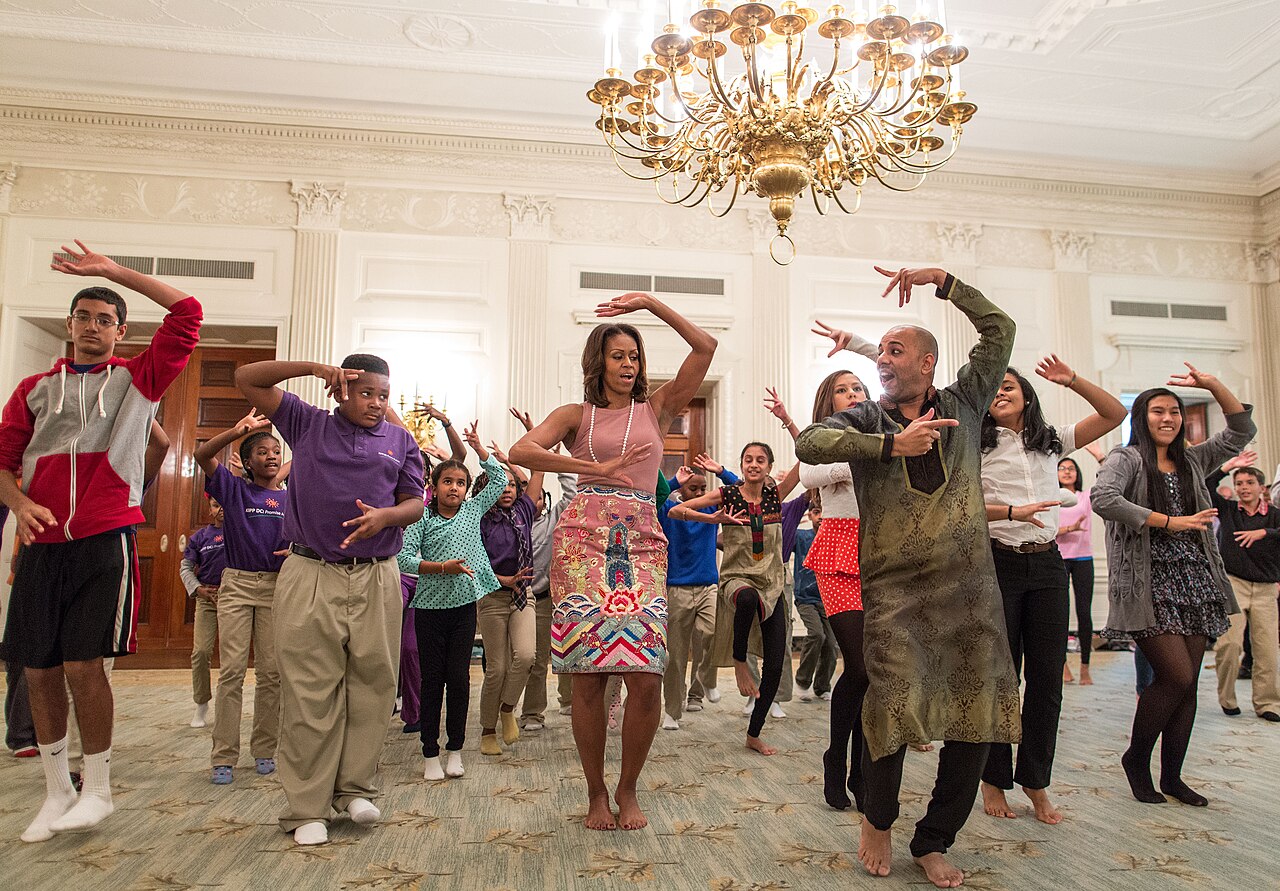





Characteristics and common elements
Bollywood films are frequently identified by several recurring features: memorable musical numbers, a star system, melodramatic narratives and an emphasis on family and romance. Films often blend multiple genres into a single entertainment package, a style commonly called "masala." Typical production traits include playback singing (voices recorded by singers), choreographed dance sequences, and song picturization that integrates music into key moments of the plot.
- Music and dance: songs that drive emotion and marketing.
- Masala mixing: combining comedy, drama, action and romance.
- Star focus: actors and actresses who shape box-office appeal.
For context, see resources about the Hindi language and film concepts like film production and the broader industry.
History and development
Indian filmmaking has roots in the early 20th century. Over decades the Mumbai-centered sector evolved from studio systems and mythological pictures to the diverse commercial cinema recognizable today. Post-independence decades saw conventions such as family dramas and social themes mature; later eras introduced the larger-than-life heroes and 'revenge' or 'action' styles that reshaped popular taste. In recent decades, economic liberalization, new distribution models and multiplex exhibition have influenced storytelling, budgets and audience segmentation.
Industry, audiences and influence
Bollywood produces a large number of films annually and reaches both domestic and international viewers, especially in South Asia and the global South Asian diaspora. Its songs, fashion and stars frequently cross into television, advertising and music markets. The industry interacts with regional cinemas (for example, Hindi-language films coexist alongside productions in Tamil, Telugu, Bengali and other languages) and with global film cultures via co-productions, festival screenings and digital streaming.
Notable facts and distinctions
Bollywood is distinct from other Indian film centers often known by portmanteaus (for instance, some regional industries also use short names). Its hallmark remains a popular, mass-entertainment aesthetic while also producing films that have received international critical attention. Scholars and audiences point to the industry's role in shaping popular culture, national conversation and transnational connections among South Asian communities. For more background on the national context, see India and comparisons with American cinema trends; for cultural terms such as "masala" (literally spice), consult introductory guides and histories.
Questions and answers
Q: What is Bollywood?
A: Bollywood is the Hindi language movie industry in India. It is often used to describe Indian cinema as a whole, but more precisely it means Hindi language movies only.
Q: Where are most Hindi movies made?
A: Most Hindi movies are made in Bombay (Mumbai).
Q: How does the term "Bollywood" combine two words?
A: The term Bollywood combines Bombay (where most Hindi movies are made) and Hollywood (where most American movies are made).
Q: How many movies does Bollywood make each year?
A: Bollywood makes many movies each year.
Q: What type of films do Masala Movies usually contain?
A: Masala Movies usually have higher levels of emotions, songs, revenge and differences between rich and poor in them.
Q: What does the word Masala mean in Hindi?
A: In Hindi, Masala means spice.
Related articles
Author
AlegsaOnline.com Bollywood: the Hindi-language film industry of India Leandro Alegsa
URL: https://en.alegsaonline.com/art/12791
Sources
- in.bookmyshow.com : "Hindi Movies(Bollywood) Releases in 2018"
- mid-day.com : "Memories of another day"