
Zora Neale Hurston: Writer, Folklorist, and Voice of Black Southern Life
Overview of Zora Neale Hurston (1891–1960), American novelist and folklorist of the Harlem Renaissance, her major works, anthropological fieldwork, stylistic features, and enduring influence.
Overview
Zora Neale Hurston (1891–1960) was an American novelist, anthropologist, and folklorist whose storytelling preserved and celebrated African American life in the rural South and the Caribbean. She is best known for the 1937 novel Their Eyes Were Watching God, a landmark of 20th-century literature associated with the Harlem Renaissance.
Image gallery
4 Images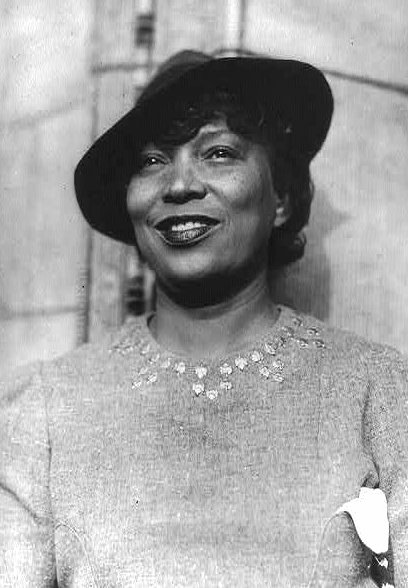


Life and education
Born in the rural South, Hurston rose from modest beginnings to study at Howard University and later at Barnard College, where she worked with prominent anthropologists and refined her ethnographic approach. Her background in anthropology informed her collection and publication of oral traditions, songs, and folktales.
Major works and fieldwork
Hurston combined fiction and ethnography. Her principal publications include novels and nonfiction that document vernacular speech and expressive culture. She carried out fieldwork in the American South and the Caribbean, recording folktales, spirituals, and life histories that highlighted everyday traditions and community resilience.
Style, themes, and methods
Hurston's writing is noted for lively dialect, vivid characterization, and a focus on Black female subjectivity and autonomy. Her use of vernacular speech was both an artistic choice and an ethnographic technique, aiming to preserve the cadence and humor of oral culture rather than to stereotype it.
Reception and legacy
During her lifetime Hurston enjoyed periods of critical success but also faced financial hardship and critical disagreement over her portrayals of race and politics. Interest in her work revived in the late 20th century, spurred by writers and scholars who restored her place in American letters and recognized her dual contributions to literature and folklore.
Notable works and facts
- Key books: Their Eyes Were Watching God (1937), Mules and Men (1935), Jonah's Gourd Vine (1934), Dust Tracks on a Road (1942).
- Approach: blended narrative fiction with ethnographic documentation of speech, song, and tale.
- Historical note: associated with the Harlem Renaissance but also distinct in focus on Southern Black folkways; political views were complex and sometimes at odds with contemporary critics.
Related articles
Author
AlegsaOnline.com Zora Neale Hurston: Writer, Folklorist, and Voice of Black Southern Life Leandro Alegsa
URL: https://en.alegsaonline.com/art/110723