
Zamora Cathedral (Cathedral of Zamora)
12th‑century Romanesque cathedral in Zamora, Spain, renowned for its distinctive Byzantine-influenced dome, Latin-cross plan and historical ties to King Alfonso VII.
Zamora Cathedral is a Roman Catholic cathedral located in Zamora, Spain. Erected principally in the mid‑12th century, its fabric and layout reflect the prevailing 12th century Romanesque church-building traditions while also showing eastern Mediterranean influences.
Image gallery
6 Images


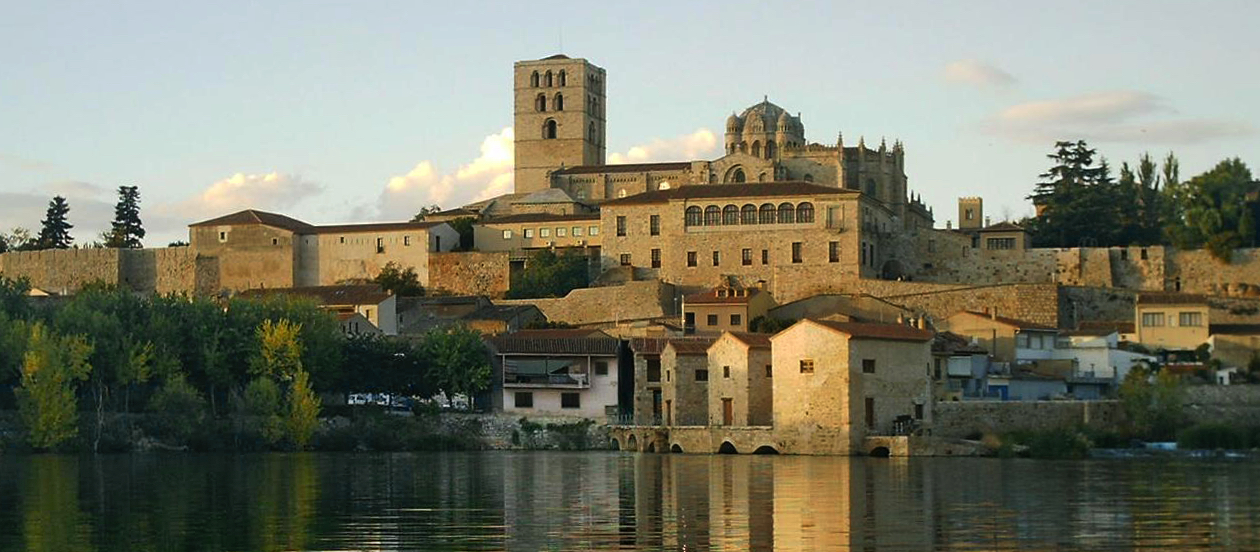
Overview
The cathedral serves as the principal church of the city and a landmark in the historic centre. It is conventionally described as Romanesque in style (Romanesque), but observers often note a fusion of regional Iberian elements and stylistic motifs borrowed from Byzantine models (Byzantine). The building occupies a prominent site and has been part of Zamora’s religious and civic life for centuries.
Architecture and principal features
Architecturally the cathedral follows a Latin cross plan, which arranges nave, transept and choir in the familiar cruciform layout. Notable features include a pronounced, ribbed cupola or dome over the crossing, thick masonry walls typical of Romanesque construction, and a compact, fortress‑like silhouette that suits its medieval urban setting.
- Plan and massing: nave and transept with clear cruciform geometry.
- Roof and dome: a distinctive domed crossing that shows eastern stylistic echoes.
- Material and detailing: broadly austere Romanesque stonework balanced by decorative capitals and portals.
History and construction
Work on the cathedral began in the middle of the 1100s under the auspices of royal and ecclesiastical authorities. Tradition links the project to King Alfonso VII and to wider patterns of medieval patronage (royal patronage). Building, repair and modification continued in later centuries; historians refer to successive construction campaigns and phases that adapted the monument to changing liturgical and structural needs (building phases).
Uses, significance and notable facts
As an active cathedral the church hosts regular worship, local ceremonies and attracts visitors interested in Romanesque art and medieval history. It is especially noted for the survival of its original medieval plan and for later additions that document the city’s changing fortunes. A well‑known detail is the casting and installation of bells into later centuries, including a bell recorded from 1805 (bell of 1805), which illustrates the long continuity of liturgical practice.
Today the building is valued both for its architectural distinctiveness and for its role in the cultural landscape of Castile and León. Visitors who study medieval Iberian architecture commonly cite the cathedral as an example of how Romanesque form was adapted and enriched by contacts with other artistic traditions.
Related articles
Author
AlegsaOnline.com Zamora Cathedral (Cathedral of Zamora) Leandro Alegsa
URL: https://en.alegsaonline.com/art/110371
Sources
- arteguias.com : "La Catedral de Zamora y la iglesia de la Magdalena"
- inspain.org : "Zamora Cathedral"