
2 World Trade Center (200 Greenwich Street)
An encyclopedia entry on 2 World Trade Center—the planned office tower at 200 Greenwich Street in Lower Manhattan, its place in the World Trade Center rebuilding, design evolution, construction history, and status.
Overview
2 World Trade Center, also referred to by its address 200 Greenwich Street, is the planned second office tower in the rebuilt World Trade Center complex in Lower Manhattan. The site occupies one of the principal footprints of the post‑2001 master plan for the World Trade Center. Basic site information is commonly cited with the complex coordinates and its relation to the broader World Trade Center redevelopment in Lower Manhattan.
Image gallery
7 Images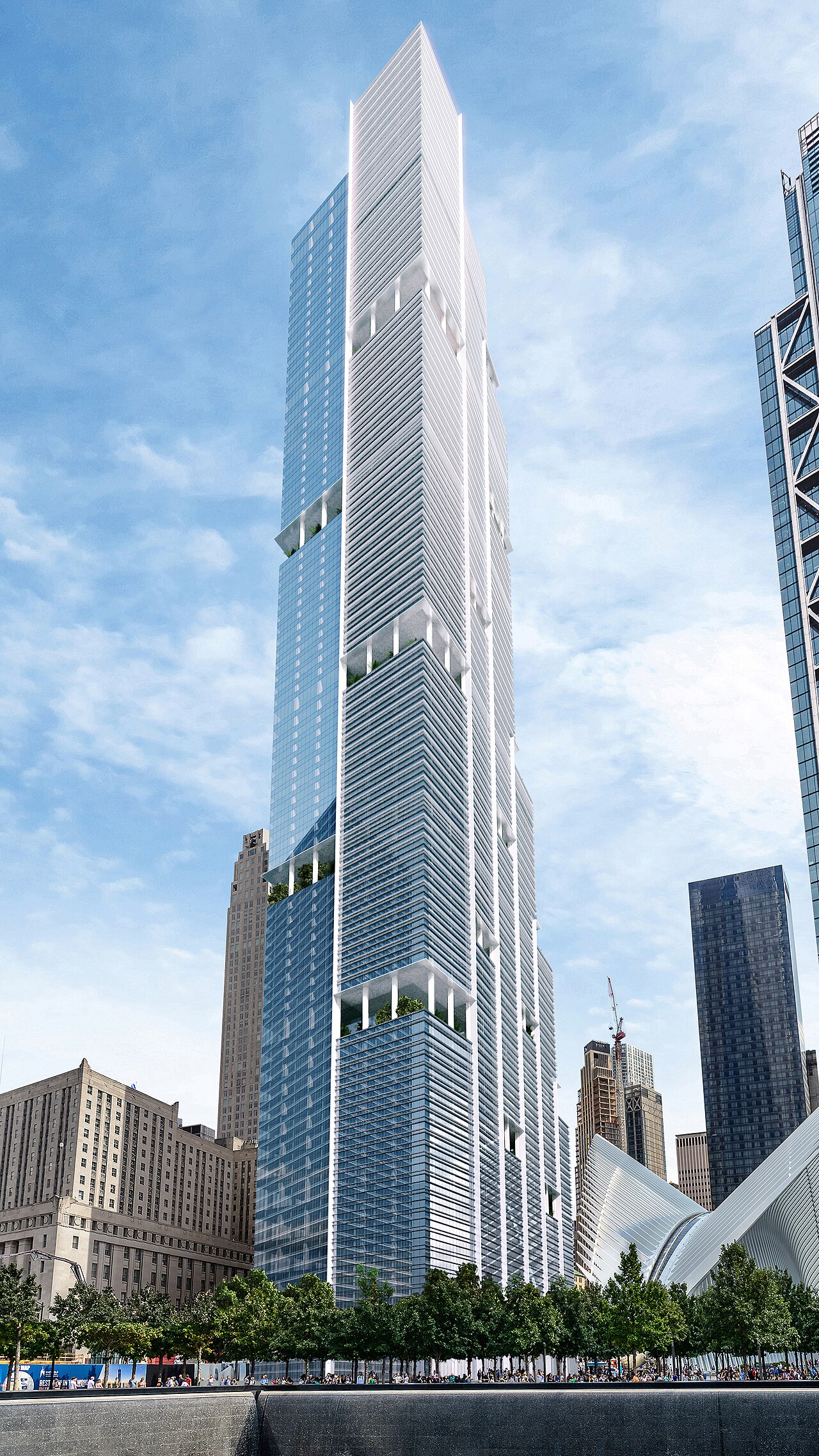



Design and characteristics
The tower has been conceived chiefly as a commercial office building intended to restore significant office capacity to the site and to contribute to the skyline and urban fabric of Lower Manhattan. Over time the project has seen multiple design iterations. Plans have addressed typical elements of a high‑rise office building: a ground‑level lobby and retail zone, column‑free office floors, elevators and service cores, and structural measures reflecting modern safety and sustainability expectations.
History and construction timeline
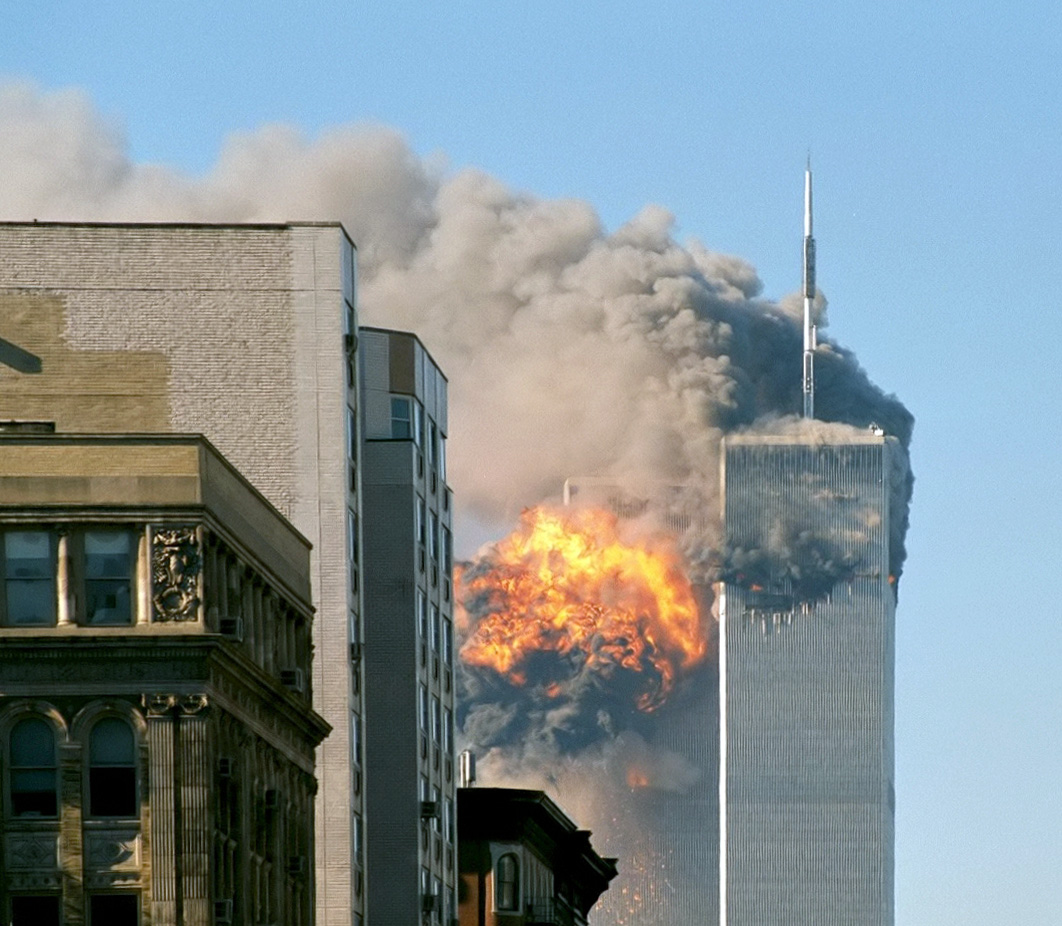
The rebuilding of the World Trade Center followed the destruction of the original Twin Towers in 2001. 2 World Trade Center emerged as part of the master plan for reconstruction. Early site and foundation work for the new tower began in the years after planning was set, and by mid‑2011 visible vertical construction had reached a modest height above grade — reported then as roughly 32 feet — as base and core elements were prepared. By 2013 vertical construction for the tower was paused due largely to the absence of a secured anchor tenant and related financing constraints.
Uses, importance and notable facts
When completed, the building is intended to provide large floorplates suitable for corporate tenants, contribute to economic activity in Lower Manhattan, and complement the memorial, transportation, and cultural elements of the overall site. The project has symbolic as well as practical importance: it is a key piece of a long‑running effort to rebuild and modernize a prominent piece of New York's skyline while honoring the site's history.
Status, challenges and outlook
Over the years the project has been affected by market conditions, negotiations among stakeholders, and several redesign proposals by prominent architectural firms. The tower’s schedule has been sensitive to securing a major tenant to underwrite construction. As a result, the timeline for full construction and occupancy has been subject to revision and remains contingent on leasing, finance, and approvals.
Key milestones
- Post‑2001: Site planning and master plan for rebuilding.
- Early 2010s: foundation and initial vertical work reported.
- 2013: construction activity paused pending tenant commitments.
The story of 2 World Trade Center illustrates the interaction of architecture, urban planning, finance, and public memory in major urban redevelopment. For further context on location and the overall complex see the linked references above.
Related articles
Author
AlegsaOnline.com 2 World Trade Center (200 Greenwich Street) Leandro Alegsa
URL: https://en.alegsaonline.com/art/112797