
Zam Zama (Zam-zammah): the historic cannon of Punjab
Zam Zama is an 18th‑century large metal cannon cast in Lahore, celebrated for its military role, recovery by Sikh forces, later display in Lahore, and literary fame through Rudyard Kipling's Kim.
Overview
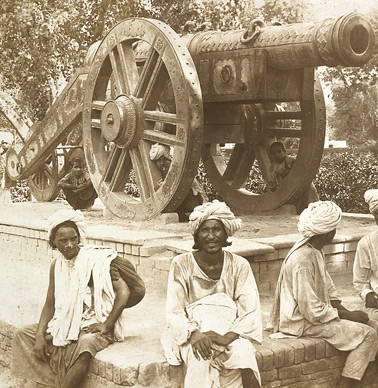
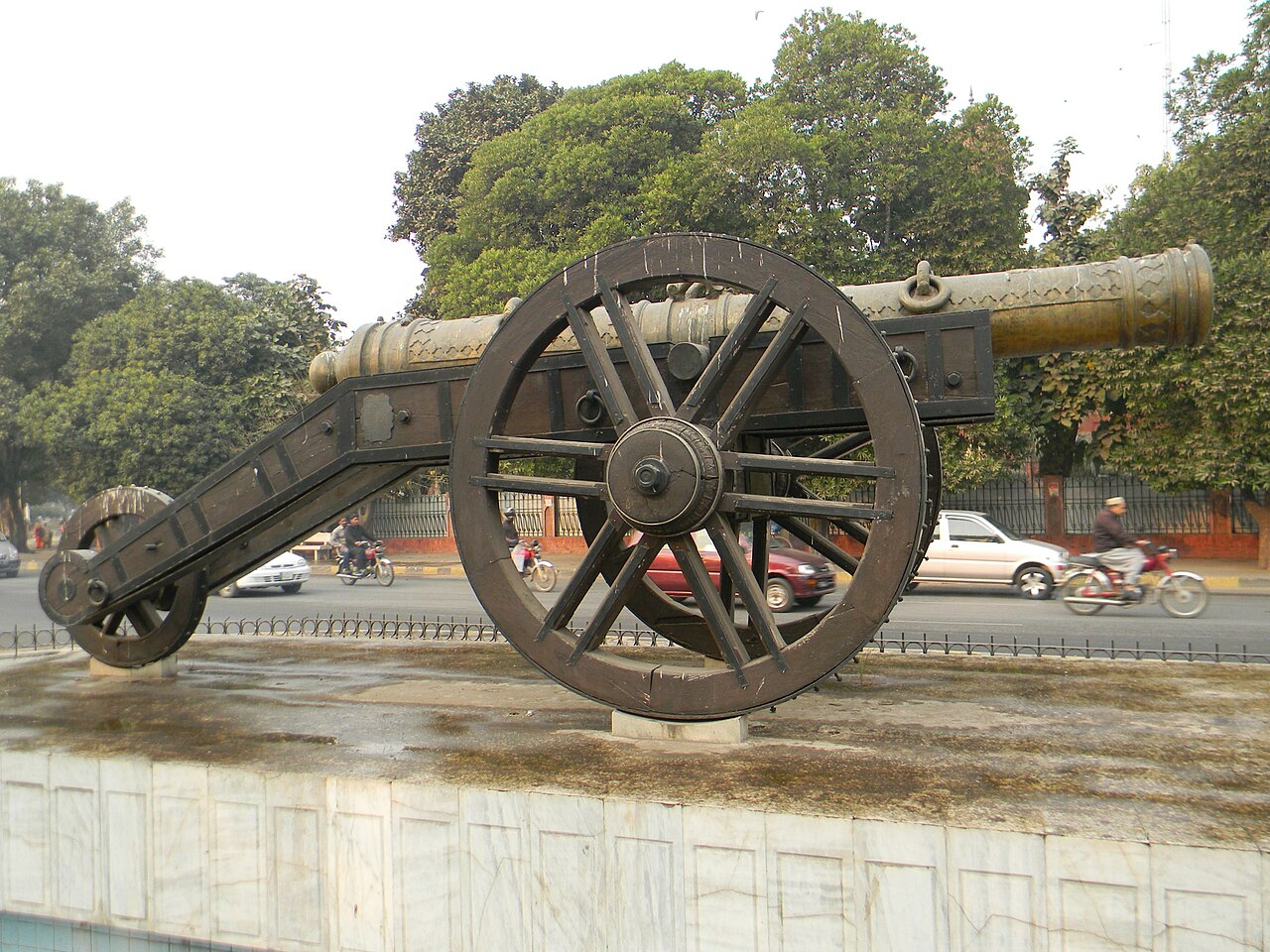
Zam Zama, also written Zam‑zammah, is a large historic cannon cast in the mid‑18th century and long associated with the political and cultural life of the Punjab region. Its imposing size and reputed power earned it nicknames such as the "terror of Northern India" (terror of Northern India). The gun has been a visible landmark, a military trophy and a subject of local legend for more than two centuries.
Image gallery
5 Images


Design and physical characteristics
The gun is made of cast metal, commonly described in sources as brass or bronze, and was produced in Lahore (Lahore), now in modern‑day Pakistan (Pakistan). Contemporary accounts emphasize its large bore and heavy construction, which at the time gave it significant symbolic and practical importance on the battlefield. As an artillery piece, it represented the advanced metallurgy and casting techniques available to regional rulers in the mid‑1700s; different descriptions note its size and the dramatic impression it made on armies and civilians alike. The cannon is often referred to simply as a "cannon" (cannon) in military and popular histories.
Historical background and movements
Zam Zama was cast in 1762 on the orders of the Afghan ruler Ahmad Shah Durrani (Ahmad Shah Durrani) following campaigns in the Punjab. During the turbulent decades that followed, the gun changed hands more than once. It was reportedly damaged in fighting and at one point went into the Chenab River (Chenab River), from where it was later recovered. Sikh forces under leaders associated with Maharaja Ranjit Singh (Maharaja Ranjit Singh) captured the piece and brought it under Sikh control; this military possession contributed to the local saying that "whoever holds Zam Zama holds the Punjab" (Punjab).
Later relocations and conservation
Over the 19th century the gun was taken to Delhi (Delhi) during political reorganizations and then returned to Lahore, where it was placed near the old Lahore Museum (Lahore Museum). In the late 19th century it stood opposite the historic campus of the University of the Punjab (University of the Punjab). Under British rule in South Asia (British India) and subsequently under modern administrations, the piece has been conserved and occasionally cleaned and restored to preserve its material and historic value.
Cultural significance and literary fame
Beyond its military history, Zam Zama entered broader popular culture through literature. The British writer Rudyard Kipling (Rudyard Kipling) evoked the gun in the opening pages of his novel Kim (Kim), published in 1901, helping to fix the cannon’s image in Anglophone readers’ imaginations. In Punjab and neighbouring regions the gun also figures in folklore and local narratives: it is associated with authority over territory, with omens, and with the glory of past rulers.
Notable facts and legacy
- The gun illustrates 18th‑century casting and armament practices in South Asia and represents a tangible link to the region’s shifting political powers.
- As a captured and displayed trophy it reflects how artillery objects were repurposed as public symbols of conquest and prestige.
- Its literary mention broadened its reputation beyond the subcontinent and contributed to its status as a historic landmark.
Today Zam Zama remains an object of historical interest: studied by military historians, visited by travelers and students, and preserved as part of the material culture of the Punjab. Its story—of manufacture, battlefield use, loss, recovery and display—captures many themes of South Asian history in the 18th and 19th centuries.
Questions and answers
Q: What is Zam Zama?
A: Zam Zama is an old cannon that was made of brass and was made in Lahore in 1762 on the orders of the Afghan king Ahmad Shah Durrani.
Q: Why is Zam Zama called the 'terror of Northern India'?
A: Zam Zama is often called the 'terror of Northern India' because it had tremendous fire-power, and all armies opposing the Afghans were terrified of it in the region.
Q: How was Zam Zama captured by the victorious Sikh Khalsa forces of Maharaja Ranjit Singh?
A: Zam Zama was later damaged in a military campaign and sank to the bottom of the Chenab River from where it was recovered and captured by the victorious Sikh Khalsa forces of Maharaja Ranjit Singh.
Q: What superstition arose after the Punjab region fell under Sikh rule?
A: After the Punjab region fell under Sikh rule, a superstition arose that 'whoever holds Zam Zama holds the Punjab'.
Q: Where was Zam Zama installed outside?
A: Zam Zama was installed outside the old Lahore Museum and then later on shifted outside the present museum building in the 1890s, opposite to the old campus of the University of the Punjab.
Q: When was Zam Zama restored and cleaned up?
A: Zam Zama was later restored and cleaned up in the 1990s.
Q: Who mentioned Zam Zama in his book published in 1901?
A: The writer Rudyard Kipling mentioned Zam Zama in the opening pages of his book Kim (published in 1901) during the period of British India.
Related articles
Author
AlegsaOnline.com Zam Zama (Zam-zammah): the historic cannon of Punjab Leandro Alegsa
URL: https://en.alegsaonline.com/art/110360