
1901
Year 1901: opening year of the 20th century, marked by political change, scientific milestones and the first Nobel Prizes; calendars, notable events, and its cultural significance.
Overview
The year 1901 (written in Roman numerals as MCMI) is regarded as the opening year of the 20th century. In calendar terms it was a common year beginning on a Tuesday in the Gregorian system (common year starting on Tuesday, Gregorian calendar) and on a Monday in the Julian calendar (Monday start, Julian calendar). Historians note the symbolic importance of 1901 as a hinge between nineteenth-century institutions and emerging twentieth-century politics and technology (first year of the 20th century).
Image gallery
10 Images




Political and social developments
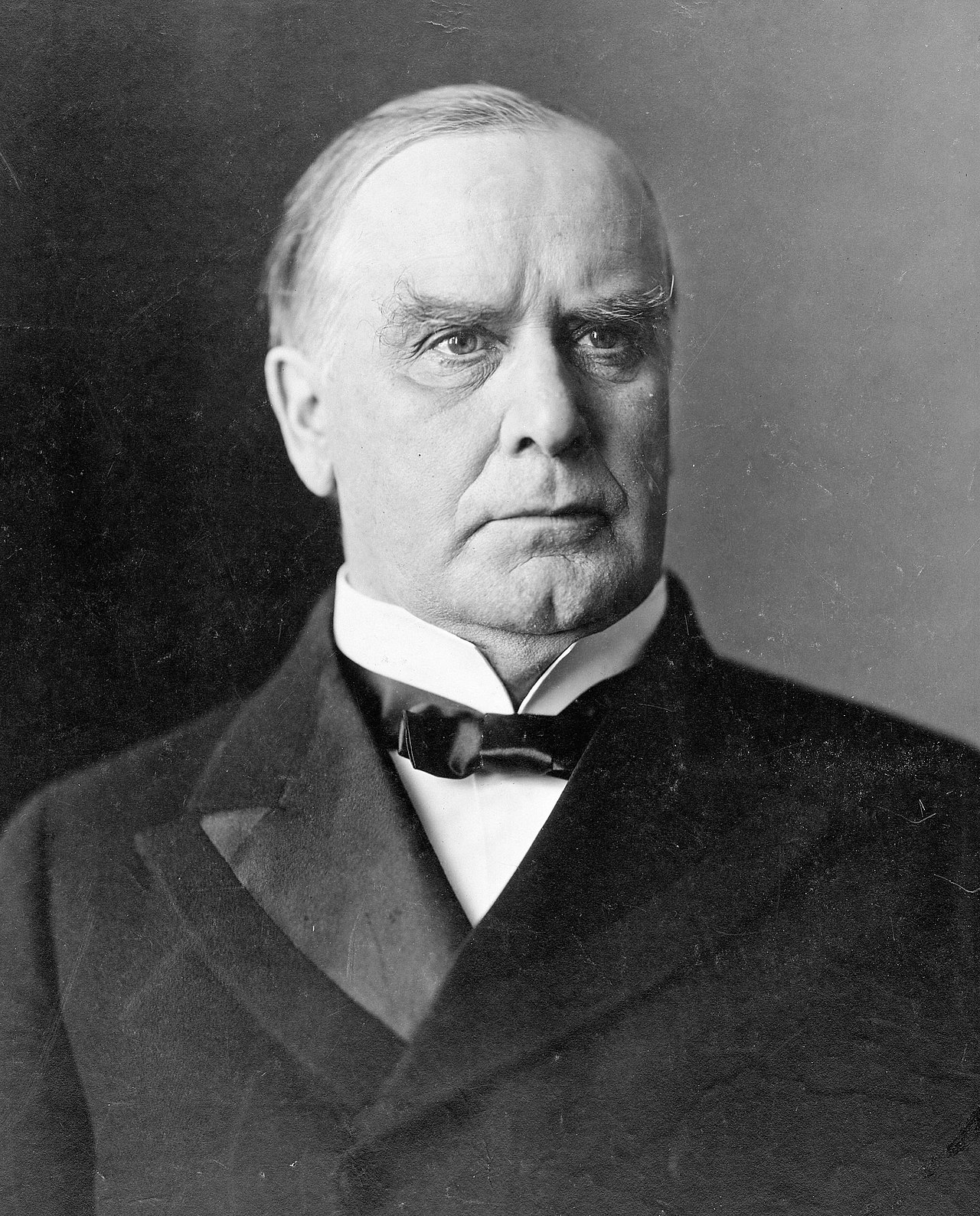
1901 witnessed several high-profile political transitions. The death of Queen Victoria in January ended the long Victorian era and began the Edwardian period in Britain. In the same year, the Commonwealth of Australia was established on 1 January, uniting former British colonies into a federated nation. In the United States President William McKinley was shot in September and died days later; Vice President Theodore Roosevelt succeeded him, marking a shift toward a more activist American presidency.
Science, culture and international affairs
The year produced lasting scientific and cultural milestones. The first Nobel Prizes were awarded in 1901, inaugurating an enduring international tradition of honoring achievements in physics, chemistry, medicine, literature and peace. Guglielmo Marconi achieved transatlantic wireless communication, demonstrating the potential of radio. International diplomacy also left its mark: the Boxer Protocol formally concluded the Boxer Rebellion, reshaping foreign relations in China.
Notable events (select)
- Death of Queen Victoria and accession of Edward VII.
- Federation of Australia; creation of the Commonwealth government.
- Assassination of U.S. President William McKinley; Theodore Roosevelt becomes president.
- First Nobel Prizes presented to laureates in five categories.
- Marconi’s reported reception of the first transatlantic wireless signal.
- Signing of the Boxer Protocol, affecting China’s relations with foreign powers.
Significance and legacy
1901 is often invoked as the beginning of modernity: politically, it presaged new leadership styles and national configurations; technologically, it foreshadowed mass communication and scientific professionalization; culturally, it closed a Victorian chapter and opened a new age whose developments defined much of the twentieth century. The year remains a useful marker for historians and educators studying transitions in politics, technology, and international order.
Questions and answers
Q: What year was 1901 in the Gregorian calendar?
A: 1901 was a common year starting on Tuesday in the Gregorian calendar.
Q: What year was 1901 in the Julian calendar?
A: 1901 was a common year starting on a Monday in the Julian calendar.
Q: Was 1901 the first year of the 20th century?
A: Yes, 1901 was the first year of the 20th century.
Q: In which calendar was Monday the first day of 1901?
A: Monday was the first day of 1901 in the Julian calendar.
Q: In which calendar was Tuesday the first day of 1901?
A: Tuesday was the first day of 1901 in the Gregorian calendar.
Q: What does MCMI stand for?
A: MCMI is the Roman numeral for 1901. It stands for "Mille Centum" which means "one thousand one hundred" in Latin, and "I" which stands for "one".
Q: What was significant about 1901?
A: 1901 was significant because it was the first year of the 20th century.
Related articles
Author
AlegsaOnline.com 1901 Leandro Alegsa
URL: https://en.alegsaonline.com/art/111888