
1916
A pivotal year dominated by World War I, notable battles and uprisings, diplomatic agreements, cultural works, scientific publications, and several prominent births and deaths.
1916 was a year marked by intense military conflict and political change. It was a leap year that began on Saturday in the modern civil calendar (see calendar details) and fell under the standard rules of the Gregorian calendar. The year is chiefly remembered for major campaigns of the First World War, large-scale civilian and military upheavals, and cultural and scientific activity that continued despite wartime disruption.
Image gallery
10 Images



Major events and military campaigns
- Western Front: Two of the bloodiest and best-known battles of the war took place — the prolonged French–German fighting at Verdun and the Anglo-French offensive on the Somme, each producing heavy casualties and influencing military tactics.
- Naval and Eastern actions: The North Sea saw the largest naval engagement between Britain and Germany, while the Eastern Front experienced the powerful Brusilov Offensive, which affected Austro-Hungarian and German deployments.
- Political upheaval and rebellion: The Easter Rising in Ireland signalled a dramatic moment in Irish nationalism. In the Middle East, the Arab Revolt began against Ottoman rule, and Britain and France reached a wartime understanding over spheres of influence.
These events reshaped fronts, stretched resources, and accelerated diplomatic maneuvering among the great powers. Secret and formal agreements made in 1916 had consequences for postwar borders and mandates.
Politics, diplomacy and domestic developments
Diplomatic steps taken in 1916 included negotiations that foreshadowed postwar arrangements in former Ottoman territories. Several nations managed wartime politics at home: in the United States, presidential politics culminated in a re-election campaign, while neutral and belligerent states balanced civil life with mobilization. Cross-border incidents and interventions also affected relations in the Americas and elsewhere.
Culture, science and society
Despite war, 1916 saw notable cultural and scientific contributions. Literature and cinema continued to evolve, with new works published and films premiered that reflected or reacted to contemporary events. In science, fundamental theoretical work consolidated advances in physics. Socially, the strains of prolonged conflict affected labor, industry, gender roles, and migration in many countries.
Notable births and deaths
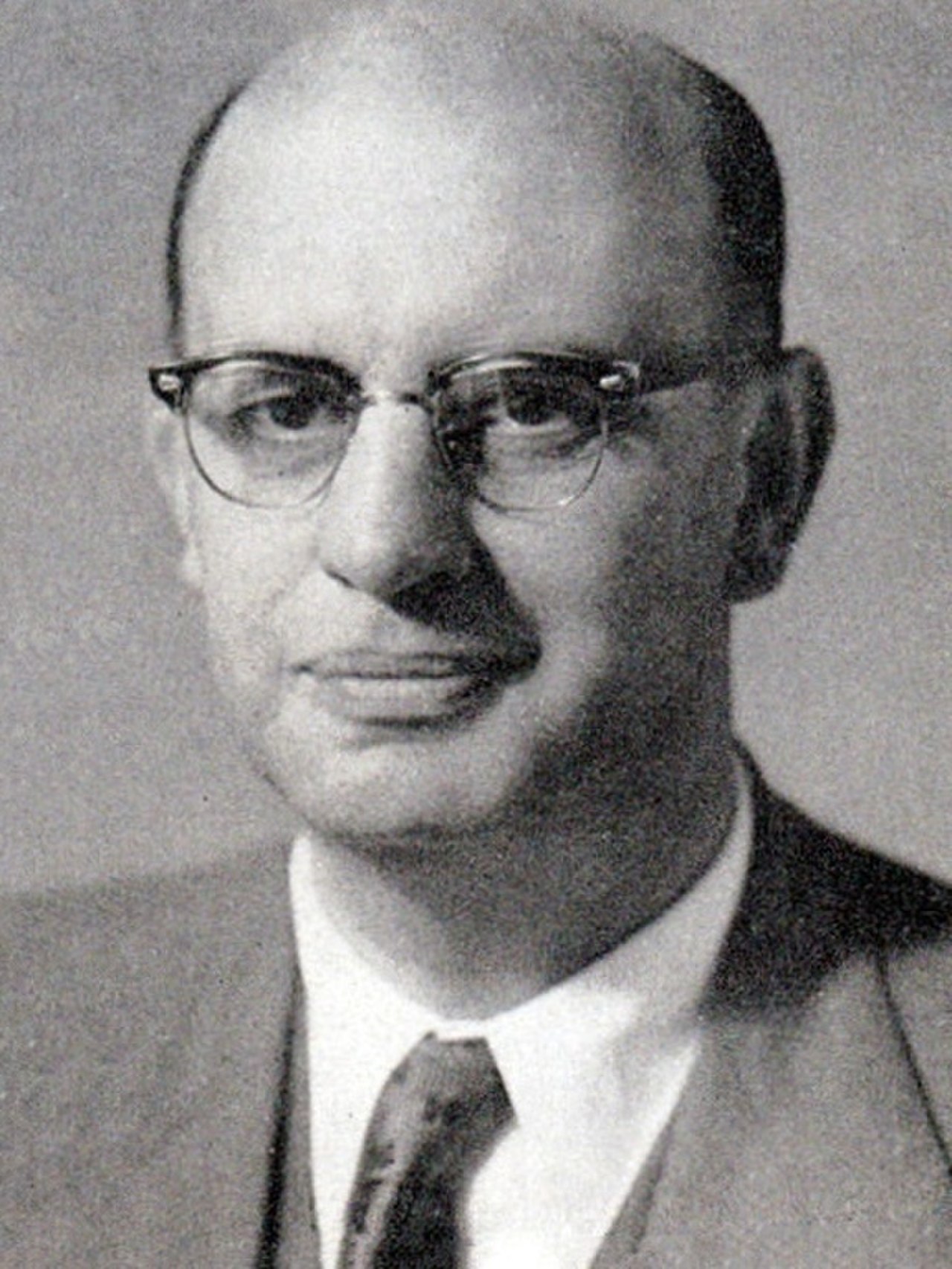
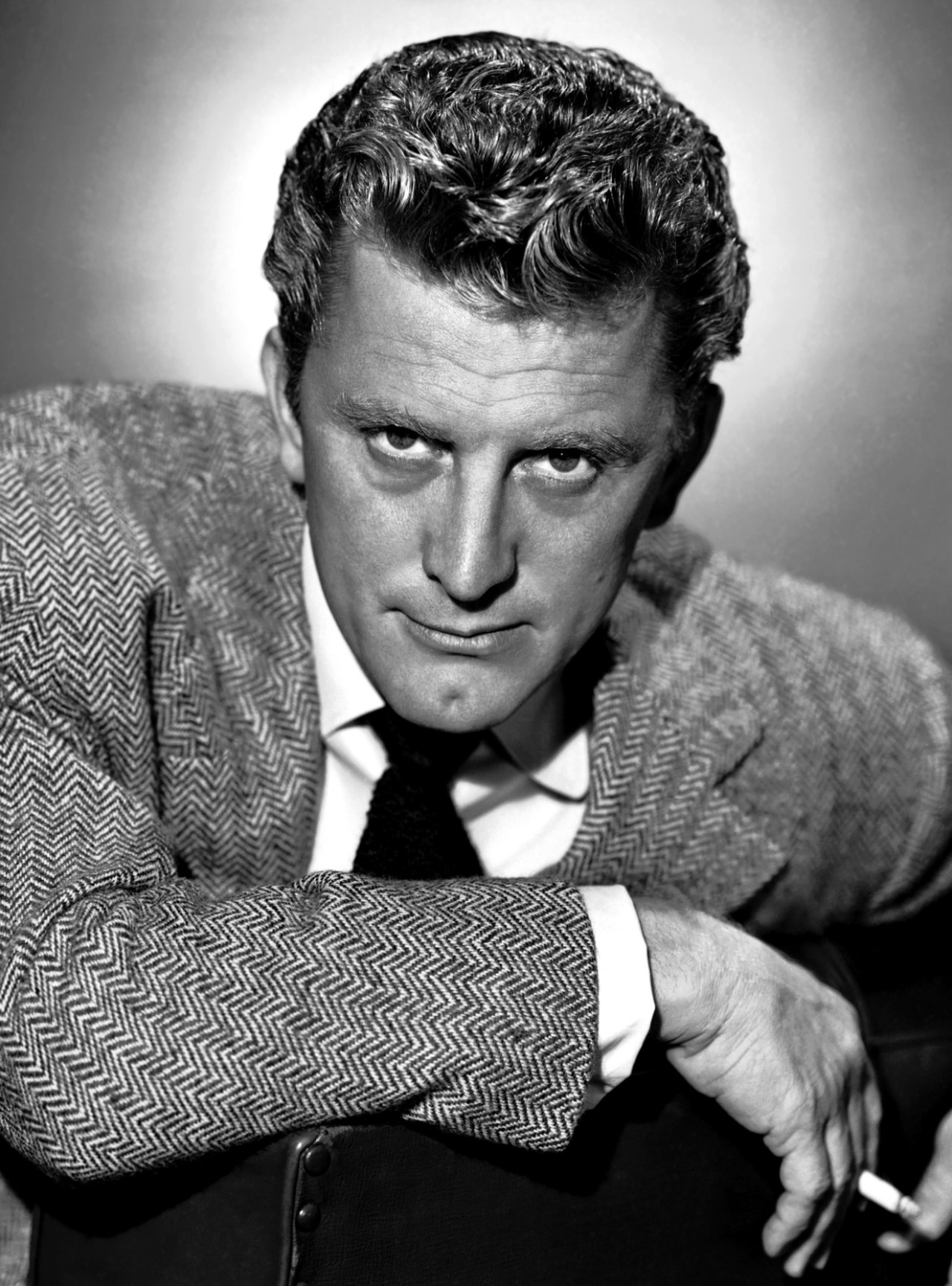
- Among those born in 1916 were several figures who later became prominent in politics, the arts, and public life.
- The year also saw the deaths of influential personalities whose passing resonated publicly, including controversial or widely reported figures connected to ruling elites and culture.
Overall, 1916 stands out as a year when large-scale warfare dominated international affairs while cultural and intellectual life persisted. The military, political, and diplomatic developments of 1916 helped shape the final years of the First World War and the map of the postwar world.
Related articles
Author
AlegsaOnline.com 1916 Leandro Alegsa
URL: https://en.alegsaonline.com/art/111913