
Rudyard Kipling: life, works, and legacy
Overview of Rudyard Kipling (1865–1936), the English author and poet known for The Jungle Book, Kim, his verse, Nobel Prize, and complex legacy shaped by colonial-era themes.
Rudyard Kipling (1865–1936) was an English author and poet whose work became widely read in the English-speaking world. Born in Bombay, India, he drew on his early years in the subcontinent to create vivid stories and poems that combined storytelling, local color, and a strong narrative voice. His career earned him international recognition, including the Nobel Prize in Literature in 1907, and a lasting but debated place in literary history.
Image gallery
10 Images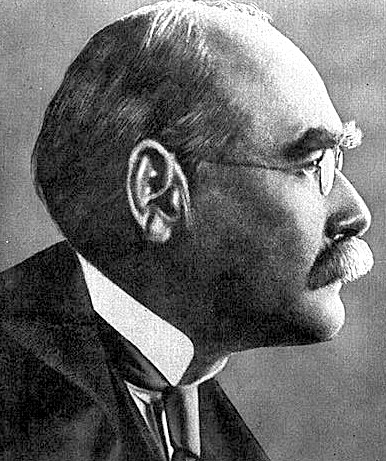


Life and background
Kipling's birthplace, Bombay, and his childhood experiences in colonial settings left a clear imprint on his imagination. He spent periods living and working abroad and later lived in New England with his American wife before returning to England to settle in Sussex. His life combined travel, editing, journalism and fiction, and he became one of the most commercially successful writers of his time.
Major works and themes
Kipling wrote for both children and adults. His books for younger readers include The Jungle Book and other children's fiction, while novels such as Kim and historical tales like Puck of Pook's Hill explored identity, empire and adventure. Famous poems such as "If—" and "Gunga Din" display his command of rhythm and aphorism. He also produced numerous short stories set in India and elsewhere, including influential pieces that have inspired adaptations and continued study.
Kipling's style is noted for clear narrative drive, memorable characterization and evocative description. Critics praise his craftsmanship and storytelling; others criticize the imperialist assumptions present in some works. This tension has shaped modern readings of his oeuvre.
He died in London from a perforated duodenal ulcer in Fitzrovia and was buried in Westminster Abbey. The circumstances of his death are usually noted as a perforated duodenal ulcer at his London home in Fitzrovia, in January 1936.
- Notable book: The Jungle Book
- Notable novel: Kim
- Famous poems: If— and Gunga Din
- Birthplace: Bombay
- Later residence: Sussex and New England
Kipling's legacy remains influential and contested: admired for narrative skill and contribution to children's literature, but re-evaluated for the imperial attitudes present in much of his work. Readers and scholars continue to study his writing for its literary craft, historical context and cultural impact.
For further information see dedicated resources and archives: children's fiction references, historical studies and collections of his poetry and prose available through specialized libraries and online catalogs (author records, memorials).
Related articles
Author
AlegsaOnline.com Rudyard Kipling: life, works, and legacy Leandro Alegsa
URL: https://en.alegsaonline.com/art/84636