
Yazd Province: geography, culture, history and heritage
Central Iranian province centered on the historic city of Yazd, known for desert architecture, Zoroastrian heritage, windcatchers, qanats and traditional crafts; a cultural and historical heartland of Iran.
Overview
Yazd Province occupies a broad area in central Iran and takes its name from its capital, the city of Yazd. The province is one of the 31 administrative provinces of the country: provinces of Iran. Its Persian name and local forms are often given as Ostān-e Yazd, and it forms part of the modern nation-state commonly referred to as Iran. The landscape is dominated by arid plateaus, deserts and mountain ranges that shape settlement, agriculture and traditional lifeways.
Image gallery
10 Images




Geography and climate
Yazd's climate is typically arid, with hot summers and cool winters, low annual rainfall and large daily temperature ranges. Natural features include sand plains, salt flats and the foothills of surrounding ranges. Water management historically depended on underground aqueducts (qanats) that capture and convey groundwater, a technology that has influenced settlement patterns for millennia.
Built heritage and cultural features
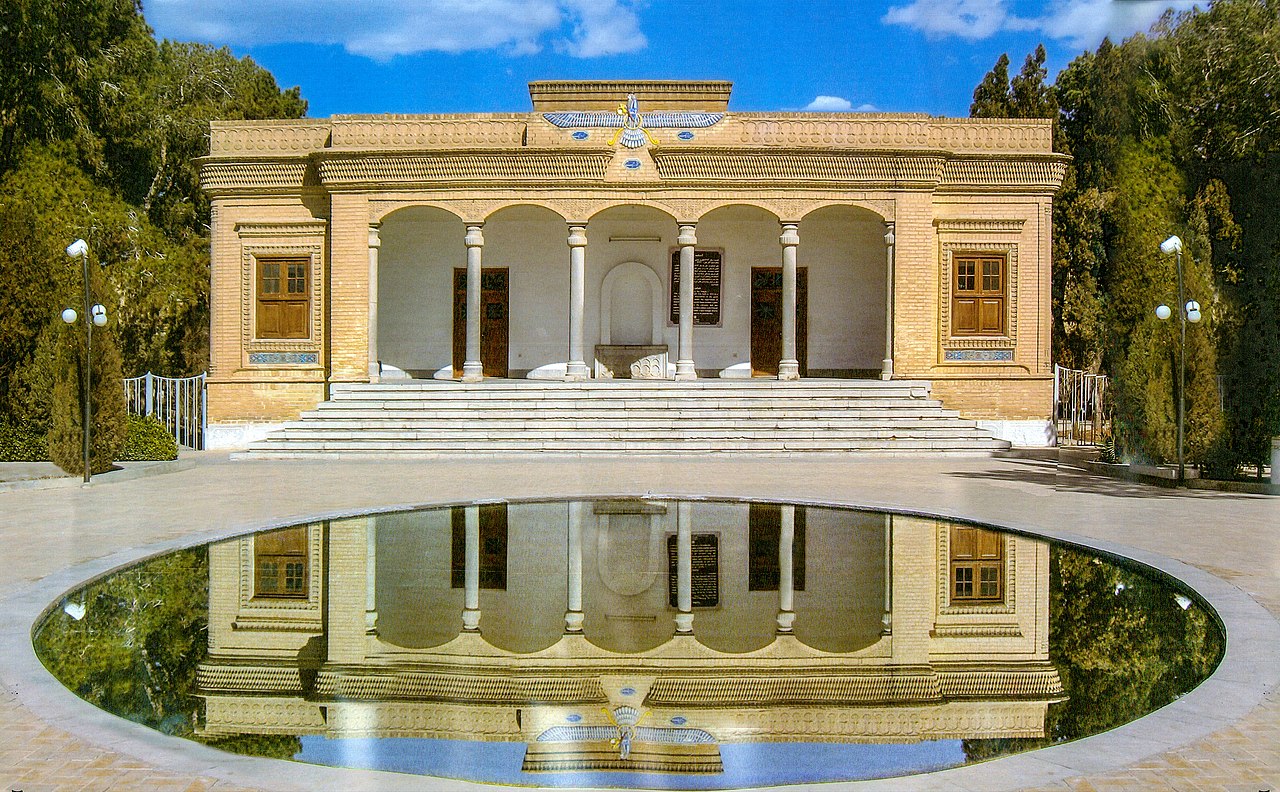
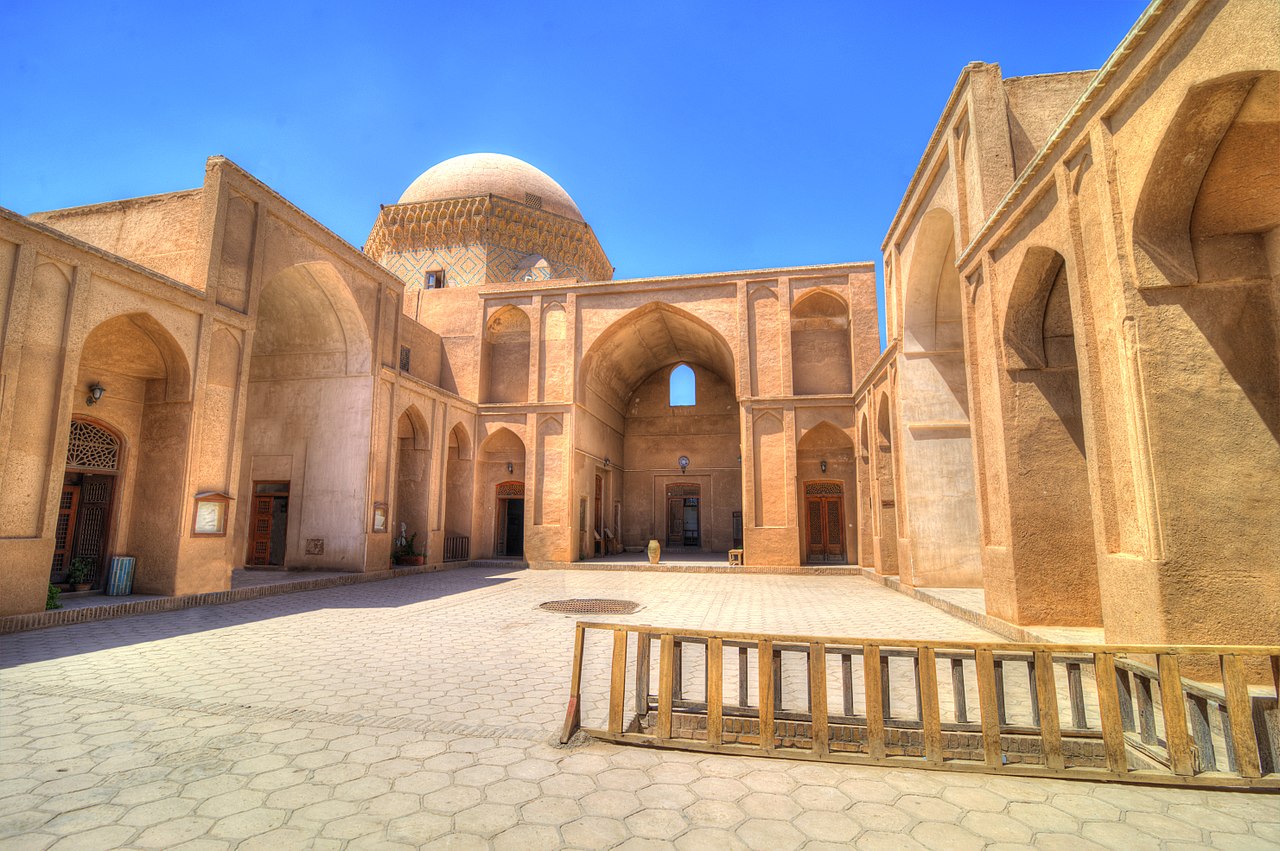
The province is celebrated for its distinctive vernacular architecture. Adobe buildings, narrow alleys, courtyards and tall windcatchers (badgirs) are adapted to the dry climate and remain striking elements of the urban fabric. The historic core of Yazd city is recognized internationally for its preservation of traditional urban forms and techniques.
History and religious significance
Yazd has a long human history and has been a notable center for Zoroastrian communities since pre-Islamic times. Fire temples, Zoroastrian towers of silence and other religious monuments attest to this continuity. Over centuries the province also served as an inland hub on trade and communication routes connecting different regions of Iran.
Economy, crafts and agriculture
Local livelihoods combine agriculture, crafts and services. Where water allows, cultivation of fruit, pistachio and other crops occurs; traditional industries include carpet weaving, silk and textile workshops, ceramics and metalwork. Tourism related to heritage, festivals and handicrafts contributes to the provincial economy.
Attractions and notable facts
- The old city of Yazd is known for well-preserved mud-brick architecture and is often highlighted in travel literature and heritage listings.
- Architectural adaptations such as windcatchers and qanats illustrate sustainable responses to an arid environment.
- Yazd remains an important center for Zoroastrian culture within Iran and attracts visitors interested in religious history and traditional crafts.
Visitors and scholars value Yazd Province for the combination of natural constraints and human ingenuity evident in its settlements, water systems and craft traditions. For more detailed administrative, demographic or travel information consult specialized regional sources and official publications.
Related articles
Author
AlegsaOnline.com Yazd Province: geography, culture, history and heritage Leandro Alegsa
URL: https://en.alegsaonline.com/art/109709
Sources
- amar.org.ir : "National census 2016"
- commons.wikimedia.org : Yazd Province
- en.wikivoyage.org : Yazd (province)