
Yazoo River — Mississippi tributary and Delta watershed
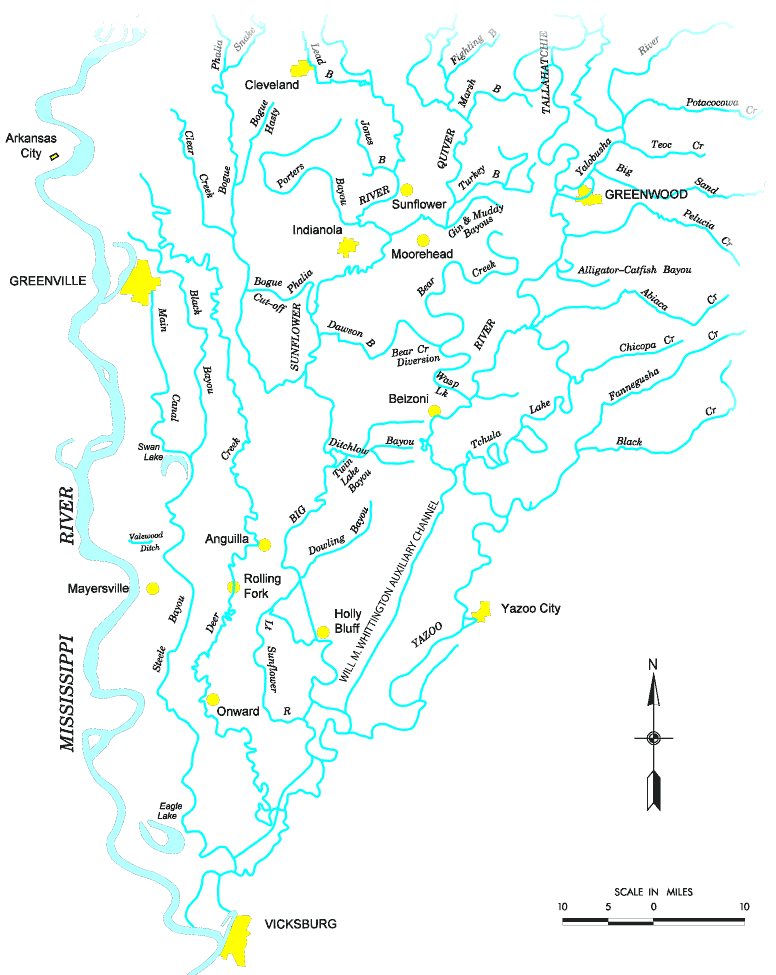
The Yazoo River in Mississippi is a 188-mile tributary formed by the Tallahatchie and Yalobusha rivers. It defines part of the Mississippi Delta floodplain and has shaped regional agriculture, navigation, and flood control.
The Yazoo River is a notable watercourse in the U.S. state of Mississippi. Roughly 188 miles long, the river drains a broad alluvial plain commonly referred to as the Mississippi Delta and has long influenced the region’s economy, settlement patterns and flood management.
Image gallery
4 Images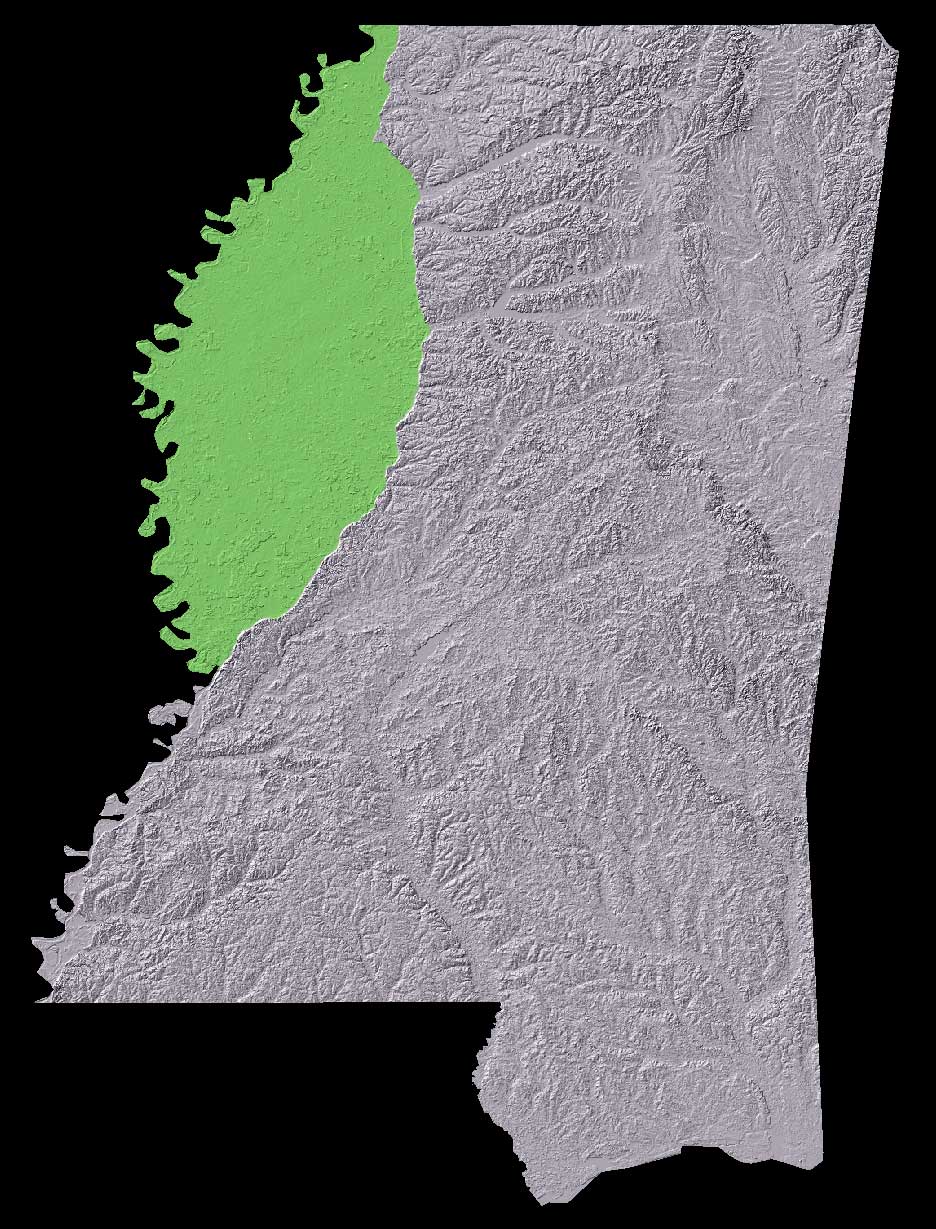


Course and characteristics
The Yazoo is formed by the confluence of two principal tributaries, the Tallahatchie and the Yalobusha, and flows generally southward as a tributary of the Mississippi River. Its low gradient and meandering channel create a wide floodplain of fertile alluvial soils. The surrounding basin supports extensive row-crop agriculture and interspersed wetlands.
- Length: about 188 miles; formed where the Tallahatchie and Yalobusha meet.
- Landscape: part of the larger Mississippi Delta alluvial plain.
- Hydrology: slow flow, frequent overbank flooding historically, extensive levees and control structures today.
History and human use
Before and after European settlement the floodplain around the Yazoo supported Native American communities and later became the site of large cotton plantations. The river served steamboats and regional commerce in the 19th and early 20th centuries. During the Civil War and its aftermath the area’s agriculture and transport networks were transformed; the conflict and later flood events prompted developments in levee construction and federal flood-control planning (American Civil War era to the 20th century).
Today the Yazoo basin remains intensively farmed, with crops such as cotton and soybeans prominent, alongside livestock and aquaculture in some areas. Efforts to balance productive land use with wetland conservation and habitat restoration have become important policy topics for local and state agencies.
Notable distinctions include the river’s cultural association with the Delta region and its name, which preserves the memory of indigenous peoples of the area. The Yazoo’s combination of agricultural importance, historical significance, and complex floodplain ecology makes it a key feature of Mississippi’s landscape and resource planning.
Related articles
Author
AlegsaOnline.com Yazoo River — Mississippi tributary and Delta watershed Leandro Alegsa
URL: https://en.alegsaonline.com/art/109713
Sources
- books.google.com : Johnson's (revised) Universal Cyclopaedia. 1886.