
Victoria (Australia): geography, history, cities and government
Victoria is a southeastern Australian state centered on Melbourne. This article summarizes its geography, major cities, colonial history, government structure, economy and cultural highlights.
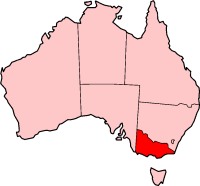
Victoria occupies the south‑eastern corner of Australia and is one of the country's six states. Its political status is that of a state within the Australian federation. The state's largest urban centre and cultural hub is Melbourne, which also serves as its capital. Other important regional cities include Geelong, Ballarat and Bendigo, each with distinctive histories and roles in the regional economy.
Image gallery
10 Images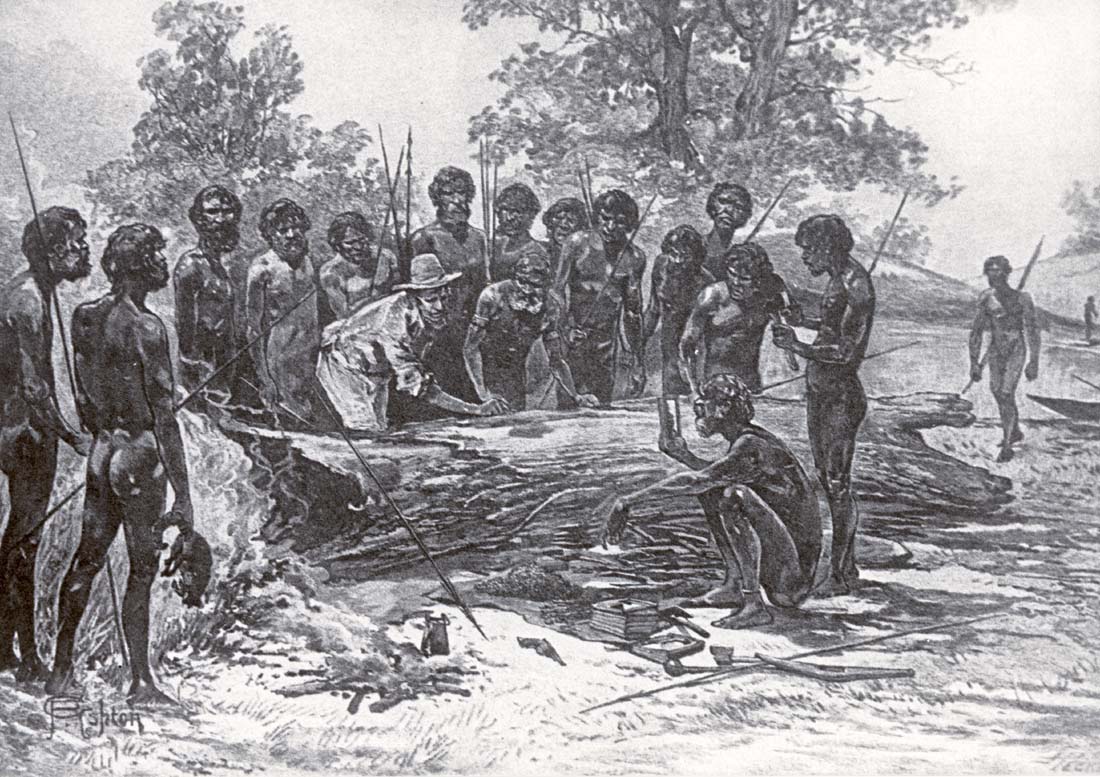




Geography and population
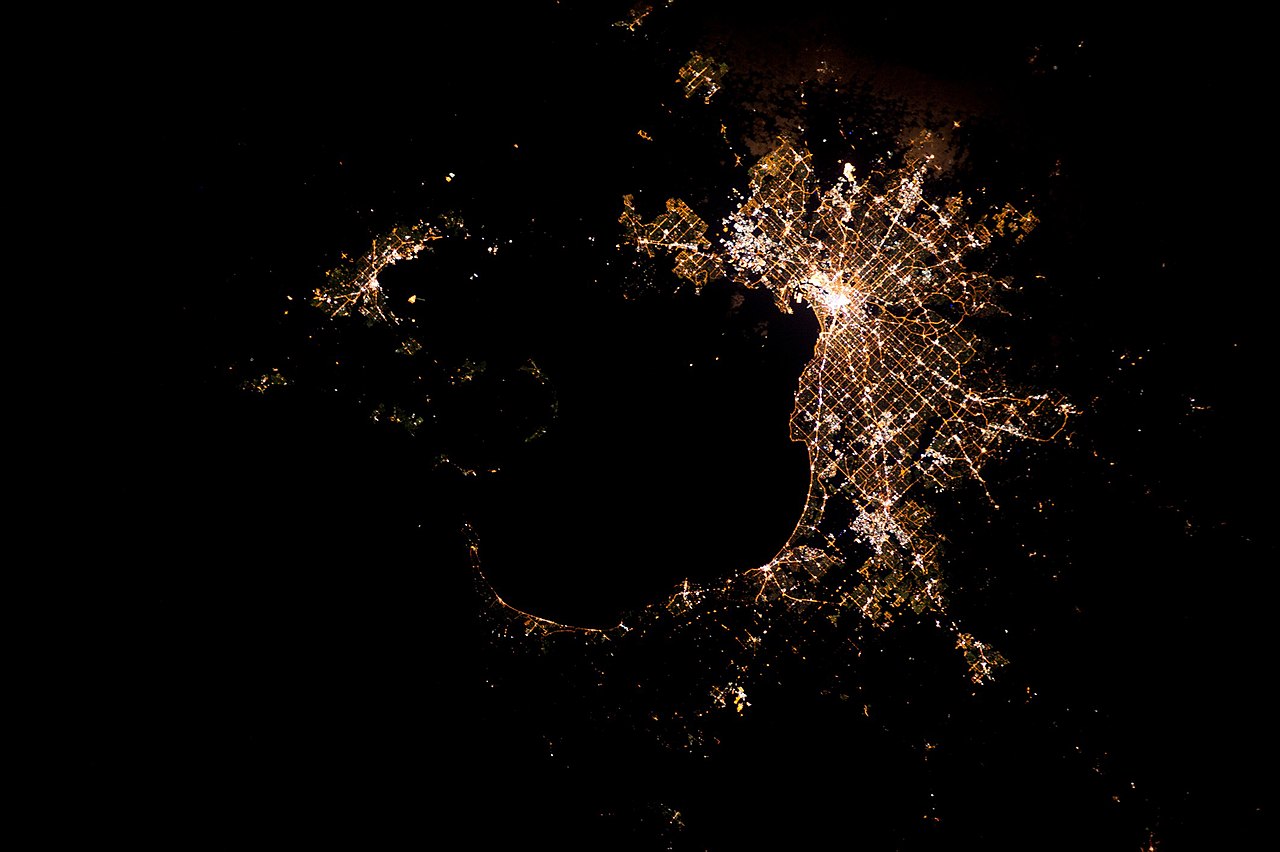
Victoria is relatively compact compared with some other Australian states, stretching from coastal plains and beaches to forested highlands and agricultural valleys. The state contains a range of environments — coastal cliffs and surf beaches, fertile river valleys, heathlands and temperate forests — that support tourism, farming and outdoor recreation. By the mid‑2010s Victoria had a population of roughly six million people, with most residents concentrated in Melbourne and its suburbs.
History and political development
The area now known as Victoria was colonised by British settlers in the 19th century and was originally administered as the Port Phillip District of New South Wales. In 1851 the district separated and became the Colony of Victoria, a name chosen in honour of Queen Victoria. The colony developed rapidly during the gold rush era and later became one of the founding states of the Commonwealth of Australia in 1901. Victoria is governed under a Westminster‑style parliamentary system with a state parliament and an executive led by a premier; notable recent political figures include Daniel Andrews of the Labor Party.
Economy, culture and attractions
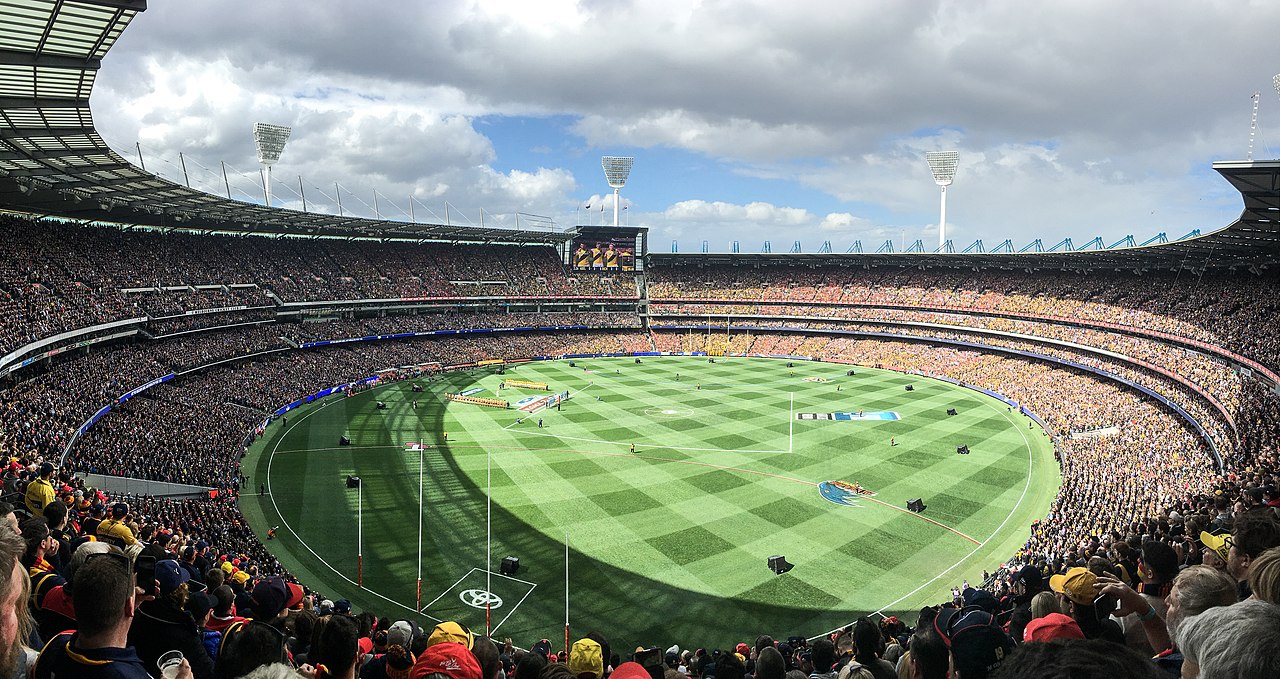
Victoria's economy is diverse: services (finance, education, health), manufacturing, agriculture and tourism all play major roles. Melbourne is widely regarded as a national centre for sport, the arts, dining and higher education, hosting major events and cultural institutions. Popular natural attractions include coastal routes such as the Great Ocean Road, national parks and wine regions in the Yarra and Mornington Peninsula.
Distinctive features and notes
- High urban concentration: a large majority of the state's inhabitants live in the Melbourne metropolitan area.
- Climatic variety: from cool temperate highlands to milder coastal climates, supporting varied land uses.
- Historical significance: rapid 19th‑century growth during gold discoveries shaped many regional centres.
Victoria combines metropolitan dynamism with accessible natural landscapes, making it a focal point of Australia's economic and cultural life while retaining distinct regional identities across its towns and countryside.
Questions and answers
Q: Where is Victoria located?
A: Victoria is located in the south-east corner of Australia.
Q: What is the capital city of Victoria?
A: Melbourne is the capital city of Victoria.
Q: Which city is the second largest in Victoria?
A: Geelong is the second largest city in Victoria.
Q: When did Victoria become an independent colony?
A: Victoria became an independent colony in 1851.
Q: Who was Victoria named after?
A: Victoria was named after Queen Victoria.
Q: When did Victoria become a state in Australia?
A: Victoria became a state in Australia in 1901.
Q: Who is Victoria's current premier?
A: Victoria's current premier is Daniel Andrews from the Labor Party.
Related articles
Author
AlegsaOnline.com Victoria (Australia): geography, history, cities and government Leandro Alegsa
URL: https://en.alegsaonline.com/art/104980
Sources
- abs.gov.au : "Australian Demographic Statistics, Mar 2019"
- abs.gov.au : 5220.0 – Australian National Accounts: State Accounts, 2017–18
- anbg.gov.au : "Floral Emblem of Victoria"
- dpc.vic.gov.au : "Victorian Symbols and Emblems"
- parliament.curriculum.edu.au : "Victoria"
- abs.gov.au : "Australian Demographic Statistics, Dec 2015"
- parliament.vic.gov.au : "Parliament of Victoria - Fact Sheets"
- bom.gov.au : "Rainfall and Temperature Extremes"
- romseyaustralia.com : "Romsey Australia: Volcanic eruption risk and maps"
- emelbourne.net.au : "Keilor Archaeological Site The Encyclopedia of Melbourne Online"
- monumentaustralia.org.au : "First Settlement"
- monumentaustralia.org.au : "Corinella Settlement"
- dhe.darebin-libraries.vic.gov.au : "Darebin Historical Encyclopedia"
- nma.gov.au : "National Museum of Australia"