
Yellow Sea
Shallow marginal sea between China and the Korean Peninsula, noted for its silt-rich waters from the Yellow River and for its fisheries, shipping routes, and environmental challenges.
Overview
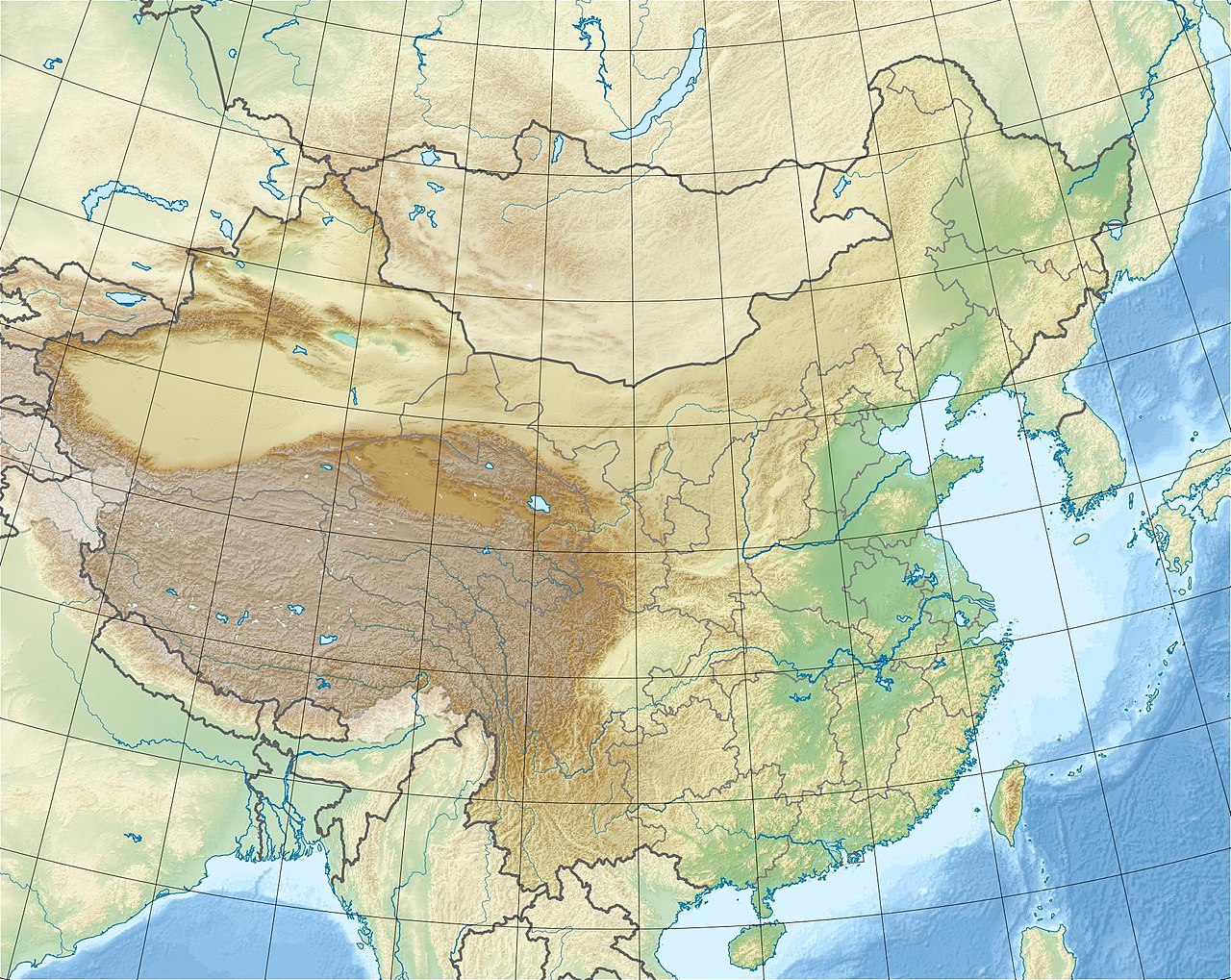
The Yellow Sea is the northern portion of the East China Sea and lies between the eastern coast of Mainland China and the western coast of the Korean Peninsula. It forms a transitional zone from open ocean to the extensive river deltas and tideflats along both shores. The northwestern inlet of this region, a mostly enclosed arm of the sea, is known as the Bohai Sea. Together, these waters are important for regional climate moderation, marine transport and coastal economies. For a broader marine context see East China Sea, and for the principal bordering lands see Mainland China and the Korean peninsula. The enclosed northwestern arm is the Bohai Sea.
Image gallery
10 Images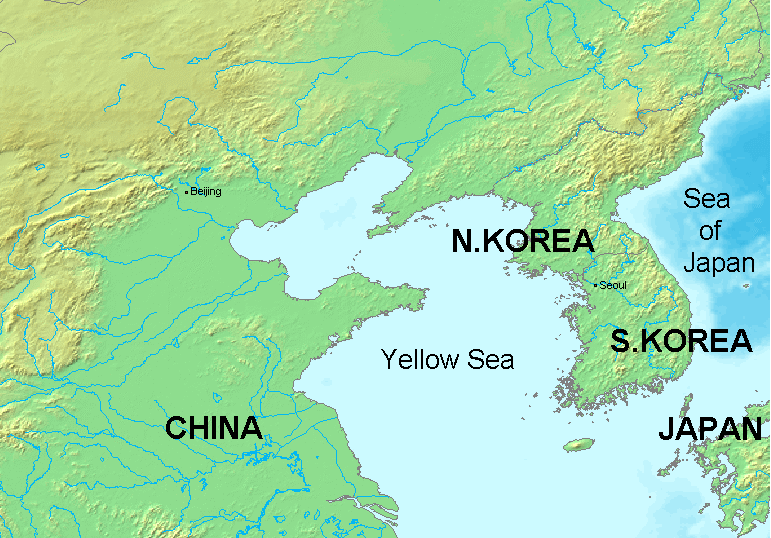





Physical characteristics
The Yellow Sea is relatively shallow compared with adjacent ocean basins, with broad continental shelves and extensive intertidal flats. These shallow depths produce strong tidal mixing, seasonal temperature swings and, in the northern reaches, occasional sea ice during cold winters. Currents and winds redistribute sediments and nutrients across the basin, influencing navigation and the distribution of marine life. Coastal morphology varies from rocky coasts to reclaimed land and wide sandy or muddy plains.
Rivers, sediment and the sea's name
The sea takes its name from the yellowish tint of its waters, which results from fine silt particles delivered by rivers. The most notable contributor is the Yellow River, whose suspended sediment drives large-scale turbidity and delta growth along the Chinese coast. The term "silt" describes these fine mineral particles and organic matter that keep the water cloudy and fertile. Smaller but regionally important rivers such as the Yalu and Han also feed the sea with freshwater, nutrients and sediments, helping shape local shorelines and ecosystems. See further notes on sediment and river inputs: silt, Yellow River, Yalu and Han Rivers.
Ecology, uses and economic importance
The Yellow Sea supports productive coastal fisheries and extensive aquaculture, including bivalves and finfish. Its tidal flats and marshes are important stopover points for migratory birds and host diverse benthic communities. Major ports and shipping lanes line the coast, linking inland industrial regions with international trade. Coastal cities rely on the sea for seafood, transport, and recreation, while energy infrastructure and offshore developments have increased in recent decades.
Environmental challenges and management
Human activities have placed pressure on the Yellow Sea: pollution from urban and industrial sources, eutrophication driven by agricultural runoff, habitat loss from land reclamation, and overfishing have all been documented. These impacts affect water quality, fisheries yields and biodiversity. International and national efforts aim to monitor and manage the sea through pollution controls, protected areas and fisheries regulations, but coordination across borders remains a continuing challenge.
Notable distinctions and facts
- The Yellow Sea is a marginal sea of the Pacific Ocean and acts as a transition between deep ocean and continental shelf environments.
- Its yellowish colour is chiefly due to riverine sediment rather than algae.
- Large tidal flats and deltas make the region especially sensitive to coastal engineering and sea-level changes.
- Management of the sea's resources requires cross-border cooperation among neighbouring states.
Related articles
Author
AlegsaOnline.com Yellow Sea Leandro Alegsa
URL: https://en.alegsaonline.com/art/109772