
Yellow-eyed penguin (Megadyptes antipodes): description, behaviour and conservation
The yellow-eyed penguin (Megadyptes antipodes), or hoiho, is an endangered, distinctive New Zealand penguin known for yellow head stripes, solitary nesting, coastal foraging and complex conservation challenges.
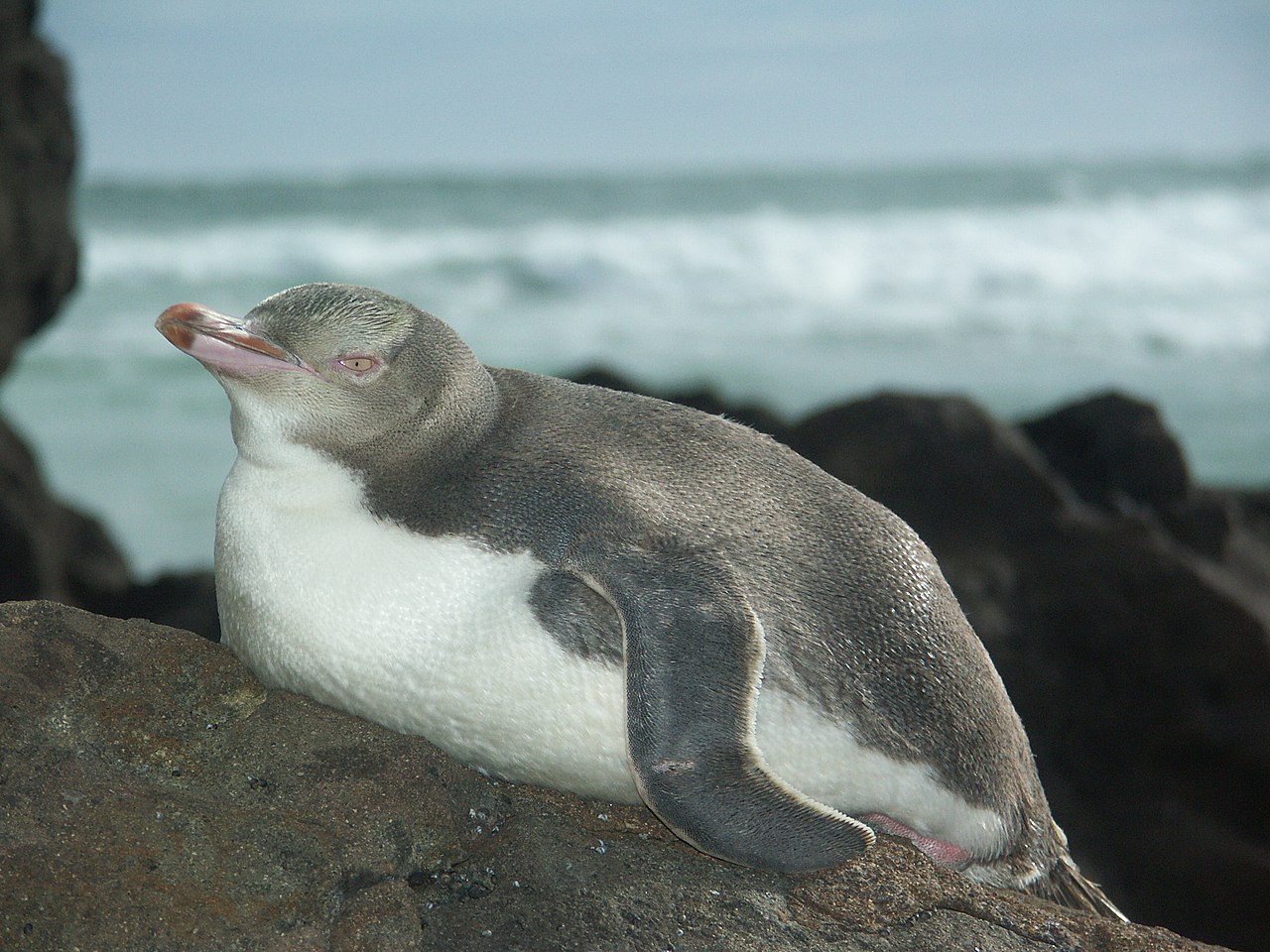
The yellow-eyed penguin (Megadyptes antipodes), commonly called the hoiho in Māori, is a distinctive penguin species native to New Zealand. Recognisable by pale yellow bands that run from the eyes around the back of the head and by a pale yellow iris, this species is one of the larger penguins and is often noted for its quiet, high-pitched calls. The name and physical traits make it easy to distinguish from other Southern Hemisphere penguins; it has a relatively upright posture and a slate-grey back with a white belly.
Image gallery
10 Images



Appearance and behaviour
Yellow-eyed penguins are stocky seabirds with several notable features. They have a narrow, pale yellow stripe on each side of the head and a pale yellow eye. Adults have a grey mantle and a white underside. Behaviourally they are less gregarious than many penguins: rather than forming dense colonies, they often nest singly or in small, widely spaced groups, using vegetated shelter near the shore. They communicate through calls that can be loud and piercing, used in mate recognition and territory defence.
Range and habitat
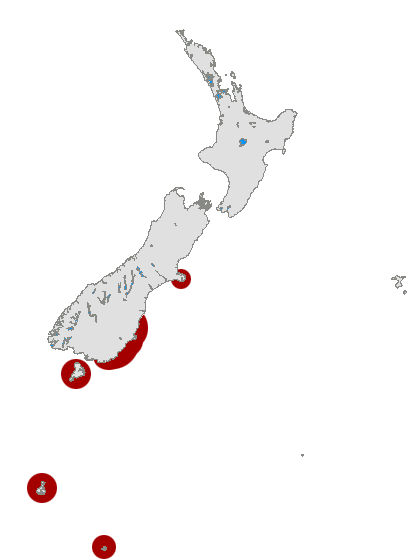
The species is endemic to New Zealand, where it breeds along the southeast coast of the South Island, on Stewart Island and on several subantarctic islands. Breeding sites are typically coastal fringes with scrub, dune forest or shelters that provide protection from wind and predators. For general context about its size among penguins see comparative penguin sizes. Major parts of its range and conservation work focus on mainland sites in New Zealand and populations on offshore islands; general regional information can be found via New Zealand sources and subantarctic references at subantarctic island resources.
Feeding and foraging
Yellow-eyed penguins forage in coastal waters and feed mainly on small to medium-sized fish and cephalopods. Their diet typically includes demersal and nearshore species such as cod-like fish and squid. They dive from the surface and may follow the seafloor in pursuit of prey; for more on prey types see dietary references. Adults provision chicks with fish brought from nearby feeding grounds, and foraging ranges are often limited compared with more pelagic penguins.
Breeding and lifecycle
Breeding occurs on land in sheltered sites close to the shore. Pairs prepare bowl-like nests from twigs, leaves and other vegetation and both parents share incubation duties. Incubation periods and timings vary with local conditions; eggs commonly take around 39 to 51 days to hatch. Chicks are brooded and fed by parents for many weeks and fledge only after several months of care. Pairs may re-use nest areas and show strong site fidelity.
Threats and conservation
The yellow-eyed penguin is listed as endangered in many assessments owing to a combination of threats: habitat loss and degradation, introduced mammalian predators (such as dogs, cats and stoats), disease, fisheries interactions, food scarcity and climate-related changes in ocean conditions. Conservation efforts focus on protecting nesting habitat, predator control, veterinary responses to disease outbreaks, managing human disturbance at breeding beaches and measures to improve local food availability. Ongoing monitoring and targeted local interventions are central to stabilising populations.
Notable facts and distinctions
- Commonly called hoiho, a Māori name meaning "noise shouter" or referring to its vocal behaviour.
- Unlike many penguins that nest in large colonies, yellow-eyed penguins are often solitary nesters, making them particularly vulnerable to local disturbance.
- They are the subject of focused conservation programmes because of their limited range and sensitivity to human activities.
Related articles
Author
AlegsaOnline.com Yellow-eyed penguin (Megadyptes antipodes): description, behaviour and conservation Leandro Alegsa
URL: https://en.alegsaonline.com/art/109760