
Yellow-bellied glider (Petaurus australis)
A medium-sized nocturnal gliding marsupial of eastern Australia that lives in tall eucalypt forests, feeds on sap and nectar, and faces habitat-related conservation concerns.
Overview
The yellow-bellied glider (Petaurus australis) is a nocturnal, arboreal marsupial known for its ability to glide between trees. It belongs to the genus Petaurus, which includes other gliding possums such as the sugar glider. This species is recognized by its long patagium (gliding membrane), a pale yellow to cream underside, and a distinctive dorsal stripe.
Image gallery
4 Images

Physical characteristics
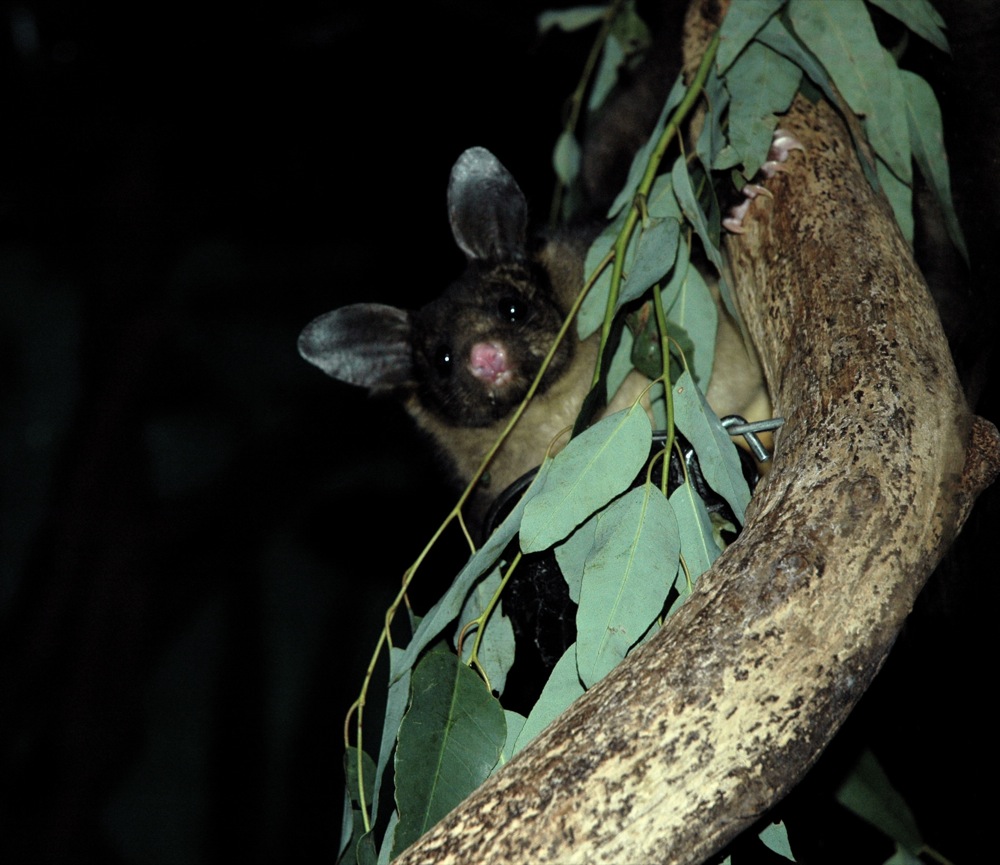
Adults have a slender body, large eyes adapted for low-light activity, and a long, often slightly flattened tail that aids stability during glides. Fur coloration is typically darker on the back with lighter, yellowish tones beneath. Their dentition and strong forepaws are adapted for gouging tree bark to access sap and exudates.
Habitat and distribution
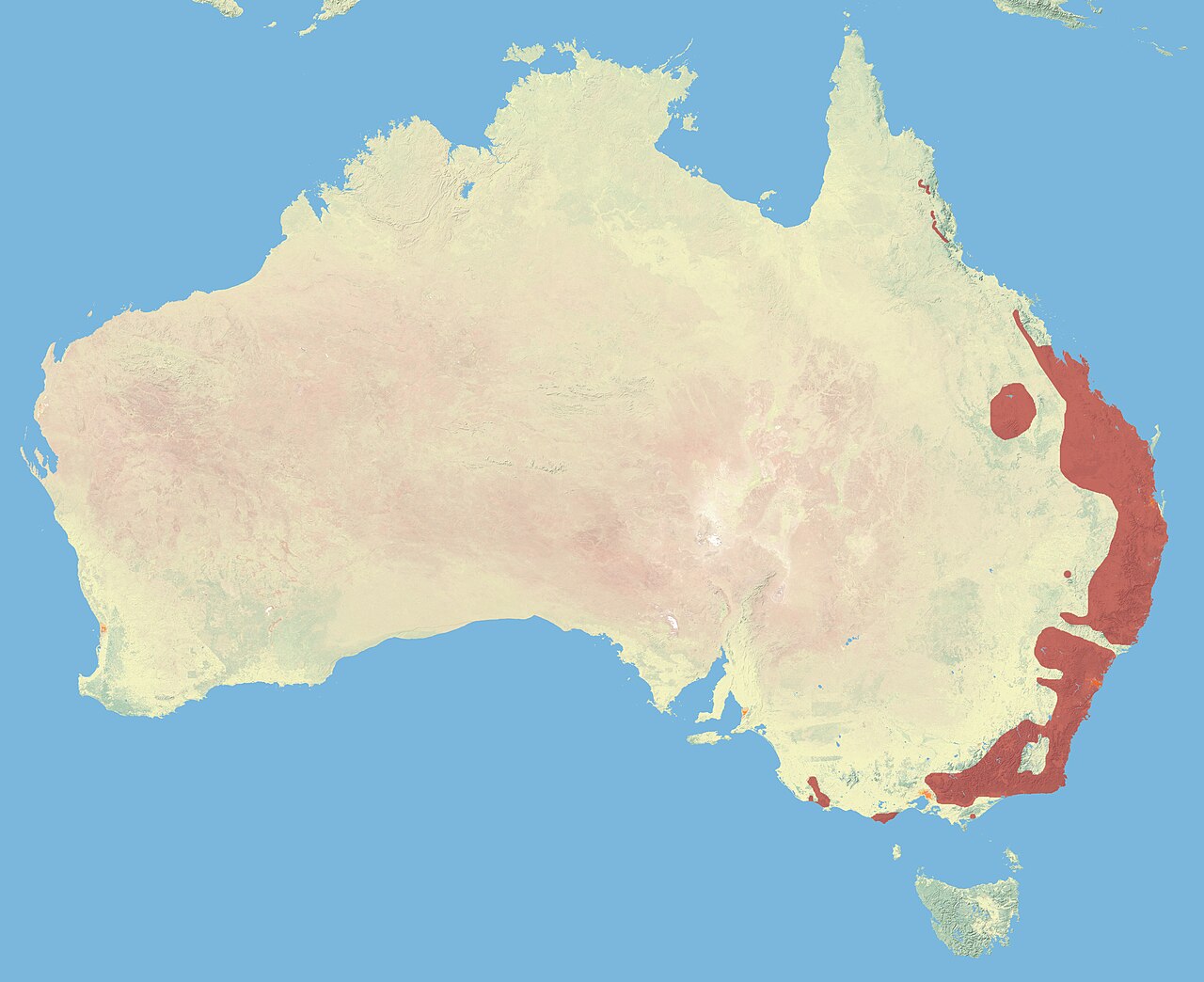
Yellow-bellied gliders inhabit tall, mature eucalypt forests and woodlands where tree hollows are available for nesting. Their range extends along the eastern coast of Australia; they are found from northern Queensland to parts of Victoria. Many accounts describe them as specialists of native eucalypt forests in eastern Australia, with important populations recorded in regions of Queensland and Victoria. These animals are highly arboreal and rarely descend to the ground except when moving between close forest patches.
Behaviour and diet
Primarily nocturnal, yellow-bellied gliders are social and sometimes vocal, producing loud calls used in communication and territory defence. Their diet is diverse and commonly includes tree sap and gum, nectar, honeydew, insects and other invertebrates. They often feed by making characteristic incisions in bark to stimulate sap flow and will visit flowering trees for nectar.
Reproduction and social structure
Breeding seasons and litter sizes can vary with latitude and habitat quality. Females raise young in tree hollows, and family groups may share nesting sites. Juveniles depend on parental care until they develop the strength and coordination to glide and forage independently.
Conservation and notable facts
Although not globally unknown, yellow-bellied gliders are vulnerable to loss of mature hollow-bearing trees, habitat fragmentation and changes in forest management. Conservation actions focus on preserving continuous tracts of native forest, maintaining old trees with hollows, and monitoring populations. Their dependency on tree exudates and hollows makes them sensitive indicators of ecosystem health and forest quality.
Summary
- Medium-sized gliding marsupial with yellowish underside and gliding membrane.
- Lives mainly in mature eucalypt forests across eastern Australia.
- Feeds on sap, nectar and invertebrates; nests in tree hollows.
- Conservation depends on preserving hollow-bearing trees and connected habitat.
Questions and answers
Q: What is the scientific name of the yellow-bellied glider?
A: The scientific name of yellow-bellied glider is Petaurus australis.
Q: Where does the yellow-bellied glider live in Australia?
A: The yellow-bellied glider lives in the native eucalypt forests along the eastern coast of Australia, from northern Queensland to Victoria.
Q: What kind of animal is the yellow-bellied glider?
A: The yellow-bellied glider is a nocturnal and arboreal gliding possum.
Q: What is the habitat of the yellow-bellied glider?
A: The native eucalypt forests of Australia are the habitat of yellow-bellied glider.
Q: What is the eating habit of yellow-bellied glider?
A: The yellow-bellied glider mainly feeds on nectar, pollen, and insects.
Q: What is the activity pattern of the yellow-bellied glider?
A: Yellow-bellied glider is a nocturnal animal which means it is active at night.
Q: What is the geographical range of the yellow-bellied glider?
A: The geographical range of the yellow-bellied glider is eastern Australia, stretching from northern Queensland to Victoria.
Related articles
Author
AlegsaOnline.com Yellow-bellied glider (Petaurus australis) Leandro Alegsa
URL: https://en.alegsaonline.com/art/109757
Sources
- bucknell.edu : Mammal Species of the World
- iucnredlist.org : australis/0 "'"
- environment.nsw.gov.au : environment.nsw.gov.au/page-not-found
- thewebsiteofeverything.com : "Yellow-bellied glider - Petaurus australis facts"
- environment.nsw.gov.au : Gliding Possums
- animaldiversity.ummz.umich.edu : "ADW: Petaurus australis: INFORMATION"
- rzsnsw.org.au%2fvolumes%2520of%2520rzs%2520papers%2f2007%2520vol34(1)%2fparker%2520d%2520g%2520webster%2520r%2520belcher%2520c%2520a%2520leslie%2520d%2520a%2520survey%2520of%2520large%2520forest%2520owls%2520in%2520state%2520forests%2520of%2520south-western%2520new%2520south%2520wales%2c%2520australia.pdf&ei=cpnlu764l8liuasf54lybq&usg=afqjcne8lgk79cas9doubsbbhnixepuh7w&bvm=bv.65788261,d.c2e : Kavanagh R.P. & Stanton M.A. 1998. Nocturnal forest birds and arboreal marsupials of the southwestern slopes, New South Wales. Australian Zoologist 30, 449-466
- sciencedirect.com : "Distribution of nocturnal forest birds and mammals in relation to the logging mosaic in south-eastern New South Wales, Australia"
- environment.gov.au : environment.gov.au/biodiversity/threatened/species/pubs/66668-conservation-advice.pdf
- environment.sa.gov.au : environment.sa.gov.au