
Wind instrument
A wind instrument produces musical sound when a player sets a column of air vibrating by blowing into or across an opening; includes woodwinds and brass with many types, techniques, and cultural roles.
Overview
A wind instrument is any musical device that produces sound primarily through the vibration of an enclosed or free column of air caused by the player's breath. Rather than strings or percussion, wind instruments depend on the way air is introduced, shaped and stopped. The mechanisms differ, but the family shares dependence on breath control, embouchure (mouth shape) and fingering or valves to change pitch.
Image gallery
6 Images



How sound is produced
Sound arises when the player creates a sustained airflow that sets the internal air column into resonance. In some instruments the air passes across an edge and splits (as in the flute), in others a thin reed vibrates against a mouthpiece (single reeds and double reeds), and in brass instruments the player's lips buzz into a cup-shaped mouthpiece. Detailed descriptions of these processes appear in acoustics texts and instrument manuals; see sound production resources for technical accounts.
Major families and typical examples
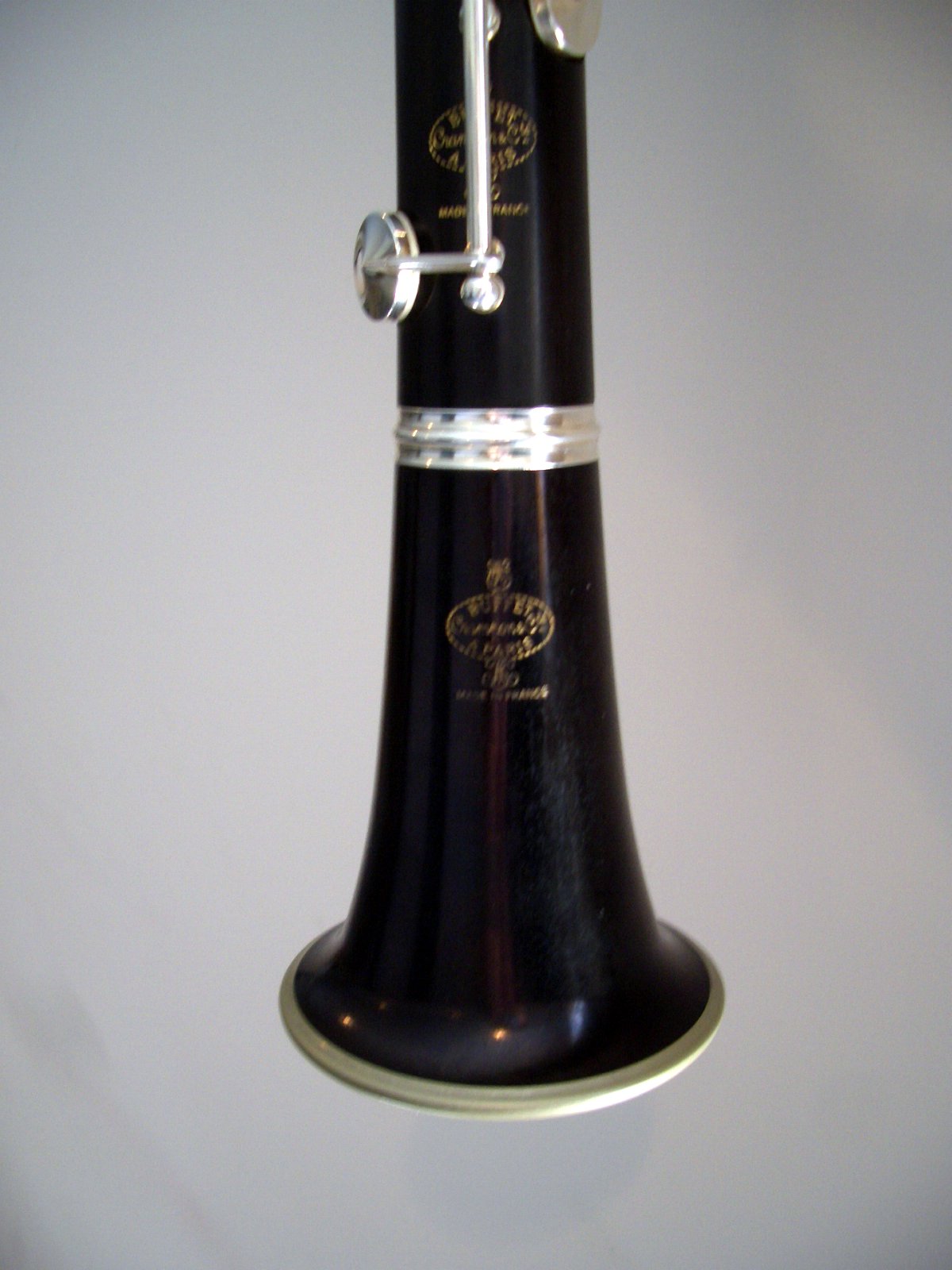
- Woodwinds — instruments that historically were made of wood or use reed/edge techniques. Common examples: oboe, clarinet, flute, saxophone.
- Brass — instruments made from metal with cup or funnel mouthpieces where lip vibration excites the air: bugle, trumpet, trombone, cornet, tuba.
Characteristics and components
Key parts include mouthpiece or embouchure hole, body with tone holes and keys, and mechanisms for altering effective tube length (keys, valves, slides). Bore shape (conical vs. cylindrical), presence of a reed (single or double), and the instrument's material all affect timbre. Many woodwinds use key systems derived from historical developments such as the Boehm system for modern flutes and clarinets, while brass instruments rely on valves or a slide to access chromatic notes.
History, uses and cultural importance
Wind instruments are among the oldest human-made musical tools: simple flutes and animal horns date to prehistoric times, and more sophisticated keyed and valved instruments evolved through the Renaissance and into the 18th–19th centuries. Today they appear in orchestras, concert bands, jazz ensembles, folk traditions and military signaling. Their adaptability makes them central to many musical styles and to pedagogical beginnings for learners worldwide.
Practical notes and distinctions
Musicians select instruments for range, timbre and technical facility. Some wind instruments transpose (sound at a different pitch than written), and maintenance—reed care, valve oil, pad adjustment—is vital for reliable performance. Differences between families, such as reed vs. edge-blown and valve vs. slide, shape teaching methods and repertoire selection across genres.
Related articles
Author
AlegsaOnline.com Wind instrument Leandro Alegsa
URL: https://en.alegsaonline.com/art/108473
Sources
- encyclopedia.com : "Wind instrument"