
Bugle (valveless brass signaling instrument)
A simple valveless brass instrument sounded by the player's lips; used for military and ceremonial calls. Produces notes of the harmonic series and is associated with signals such as Reveille and Taps.
The bugle is a compact, valveless brass instrument whose pitch is produced solely by the player's embouchure and air flow. Without valves or keys, it can only sound the notes available in its natural harmonic series, so melodies and ranges are inherently limited compared with valved brass instruments. Despite that constraint, the bugle's clear, penetrating tone makes it ideal for outdoor signaling.
Image gallery
10 Images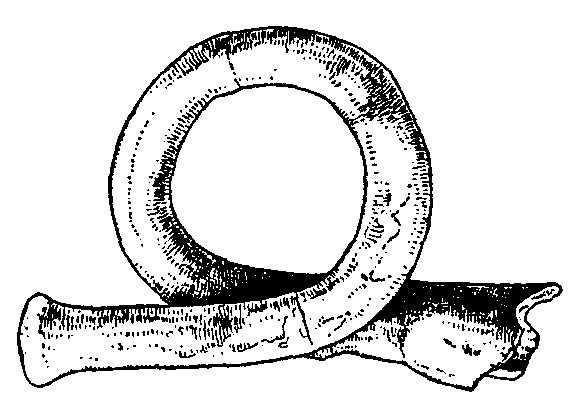


Construction and sound
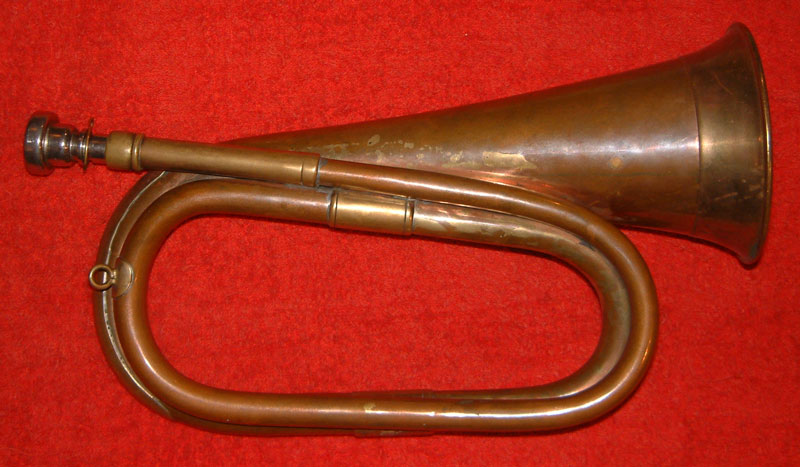
Typical components include a mouthpiece, a mostly cylindrical or conical tube and a flared bell. Materials are usually brass or other metal alloys. Players alter lip tension, aperture and breath pressure to select different harmonics; this pitch control demands precise embouchure technique. Size and bore shape influence timbre and the available harmonic pitches.
History and development
The instrument descends from ancient signal horns and simple metal tubes used to communicate across distances. Over centuries it became standardized for military use to transmit commands where voice or flags might fail. Later innovations produced keyed and valved relatives, but the traditional valveless bugle retained ceremonial prominence.
Uses and repertoire
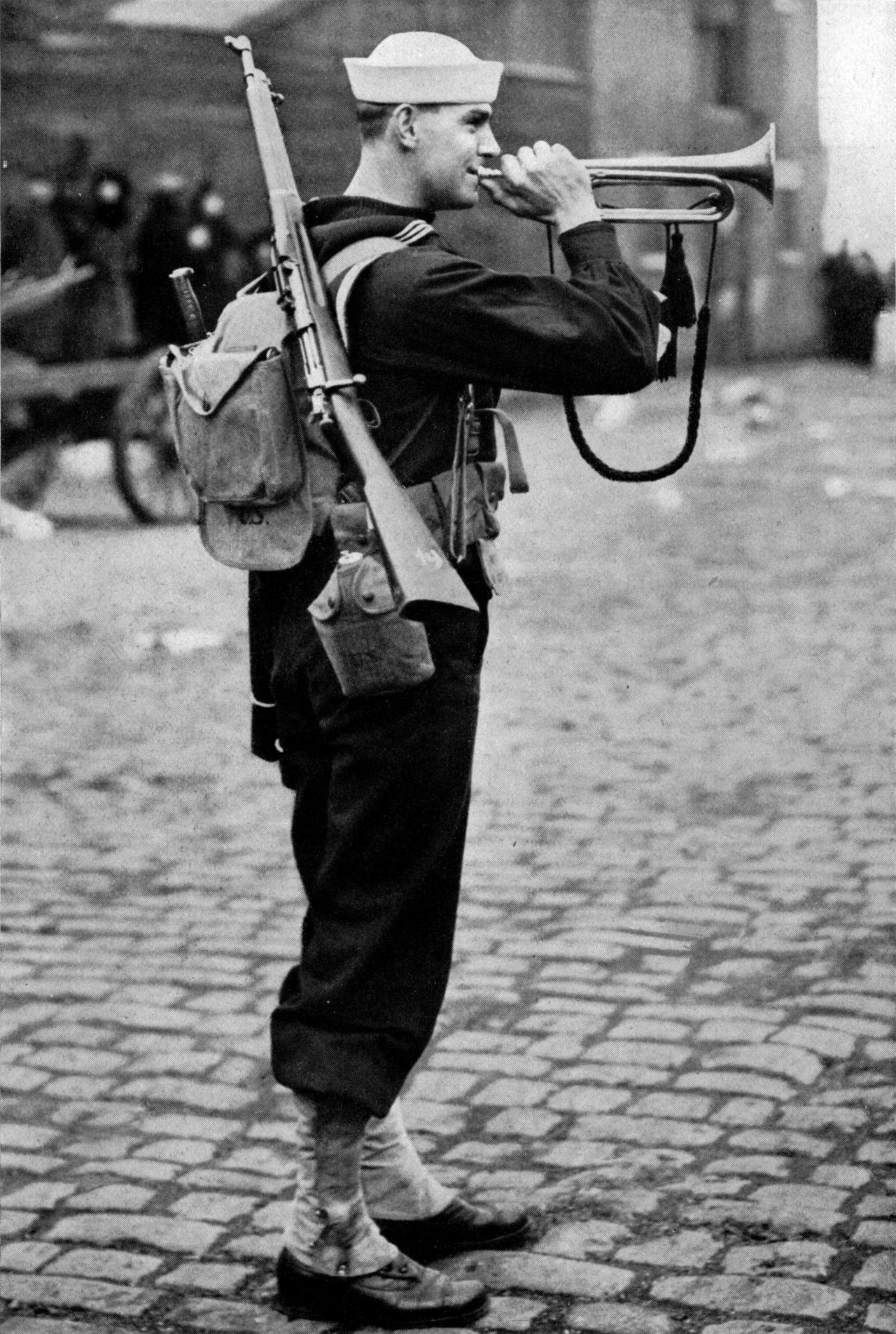
- Military and naval signaling: concise calls for waking, assembly or lights out.
- Ceremonial functions: funerals and memorials commonly feature specific calls such as Reveille and Taps or national equivalents.
- Scouting, ceremonial bands and historical reenactment: simple calls are easy to teach and recognize.
Because the bugle's notes come from the harmonic series, typical calls rely on rhythmic patterns and intervals that fit those pitches. Skilled players can produce expressive nuance through dynamics and articulation despite a restricted note set.
Notable distinctions include the difference between the traditional valveless bugle and later valved or keyed instruments designed to expand melodic capability. The bugle remains both a practical signaling device and a cultural symbol of military ritual and remembrance.
Questions and answers
Q: What is a bugle?
A: A bugle is a simple brass instrument that does not have any valves or other mechanisms.
Q: How does a player control the pitch when playing a bugle?
A: The only way a player can control the pitch when playing a bugle is by changing the shape of their lips.
Q: What notes can be played on a bugle?
A: Only notes from the harmonic series can be played on a bugle.
Q: Is playing a bugle difficult?
A: Playing a bugle can be difficult as only notes from the harmonic series can be played and the player must control the pitch by changing the shape of their lips.
Q: How is a bugle different from other brass instruments?
A: A bugle is different from other brass instruments as it does not have any valves or other mechanisms to control the pitch.
Q: Can a bugle play any music?
A: A bugle can only play notes from the harmonic series, so it may not be suitable for playing all types of music.
Q: What are the advantages of playing a bugle?
A: The advantages of playing a bugle may include its simplicity and the unique sound it produces.
Related articles
Author
AlegsaOnline.com Bugle (valveless brass signaling instrument) Leandro Alegsa
URL: https://en.alegsaonline.com/art/15161
Sources
- army.mod.uk : "History of the Bugle Horn" · web.archive.org