
Cornet (brass instrument)
A compact, conical-bore brass instrument similar to the trumpet, the cornet is valued for its warm tone and agility in brass bands, orchestras and early jazz.
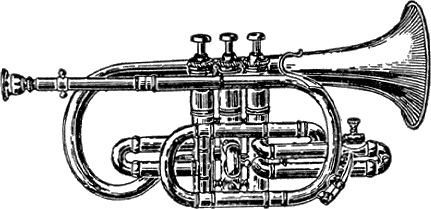
The cornet is a member of the brass family and is closely related to the trumpet. It is most commonly pitched in B-flat and played with three piston valves. Although fingerings and basic technique are very similar to the trumpet, the cornet produces a softer, more rounded sound because of its predominantly conical bore and usually deeper mouthpiece.
Image gallery
4 Images


Characteristics and parts
Typical modern cornets have a compact, curved shape that makes them shorter than a trumpet of the same pitch. Major components include the mouthpiece, leadpipe, valve section, tuning slide and bell. Players use the same left-hand support and right-hand valve technique found on many piston-valved brass instruments.
- Mouthpiece: generally cup-shaped and slightly deeper than a typical trumpet mouthpiece.
- Bore shape: largely conical, which contributes to the instrument's mellow timbre.
- Valves: usually three piston valves; some models add a fourth or compensating systems for intonation adjustments.
History and development
The cornet developed in the early 19th century from valved posthorns and other signaling instruments after the invention of piston and rotary valves. Its adaptability and expressive tone led to widespread adoption in European and American brass and military bands. Over time, makers refined bore taper, bell flare and valve mechanics to improve playability and intonation.
Uses and repertoire
Cornets are central to British-style brass bands and are a common choice in concert and military bands. They were prominent in the early years of jazz, especially in New Orleans ensembles, before the trumpet became dominant in many settings. Orchestral use is less frequent but composers and arrangers occasionally call for a cornet when a warmer brass color is desired.
Distinctions and notable facts
Although often compared to the trumpet, the cornet's sound is generally described as rounder and more blended, making it well suited to ensemble playing. Students and professionals may switch between cornet and brass instrument family members depending on repertoire and ensemble tradition. The instrument remains an important voice in band literature and historical performance practice.
Related articles
Author
AlegsaOnline.com Cornet (brass instrument) Leandro Alegsa
URL: https://en.alegsaonline.com/art/23148