
Winter Wonderland (popular winter song)
An encyclopedic overview of the song "Winter Wonderland": origin, lyrics and themes, notable recordings, cultural impact, and distinguishing facts about this perennial winter standard.
Overview
"Winter Wonderland" is a popular seasonal song that celebrates snowy scenes and romantic playfulness associated with the winter months. Though commonly heard throughout the Christmas season, it is not explicitly religious; its lyrics evoke imagery of sleigh rides, a snowman, and imagined domestic scenes. The tune and words originated in the early 20th century and have become a staple of holiday programming and public performances since their publication in 1934.
Image gallery
1 Image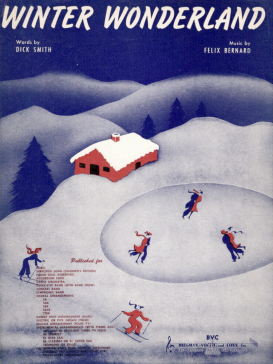
Composition and early history
The song was written by lyricist Richard B. Smith and composer Felix Bernard. Created during a period when popular songwriters produced many seasonal tunes for radio, sheet music and recordings, it quickly entered the repertory of professional vocalists and dance bands. Its simple, memorable melody and conversational lyrics made it well suited for both vocal arrangements and instrumental interpretations.
Lyrics, themes and structure
At its center the lyrics describe two people enjoying freshly fallen snow and building a snowman. A brief, narrative bridge introduces the figure of "Parson Brown," imagined as someone who could marry the pair if they wished, which contributes to the song's playful, courtship theme. A later verse shifts tone with a reference to a circus clown, illustrating how some stanzas conjure whimsical, theatrical images rather than strict realism. Because of these varied lines, performers sometimes omit or rearrange verses to suit their style.
Notable recordings and examples
The song has been recorded in many styles—big band, pop, country, gospel and instrumental—and has been covered by a large number of artists. Published sources and discographies cite well over a hundred distinct commercial recordings; one survey notes more than 150 renditions. Examples of notable interpreters include:
- The Andrews Sisters — an early vocal-group interpretation
- Amy Grant — a contemporary pop/gospel version
- Anne Murray — a soft-pop/country take
- Johnny Mathis — a smooth, orchestral rendition
Cultural impact and uses
"Winter Wonderland" is widely heard on radio playlists, in retail spaces, on holiday albums and in film or television scenes that require a recognizable winter atmosphere. Its adaptability—suitable for choir, soloist, instrumental ensembles and modern pop arrangements—has helped sustain its popularity across generations. The song also appears frequently in compilations of seasonal standards and in live holiday concerts.
Distinctions and notable facts
Although often grouped with Christmas music because of its seasonal appeal, the song's lyrics do not mention the holiday by name, which explains its broader use beyond strictly religious contexts. Different recordings may add, omit or update verses; instrumental versions emphasize the melody, while vocal treatments highlight the narrative touches (Parson Brown, the clown) that make the song both familiar and slightly whimsical. For further listening and context, see representative discographies and anthology notes linked above.
Related articles
Author
AlegsaOnline.com Winter Wonderland (popular winter song) Leandro Alegsa
URL: https://en.alegsaonline.com/art/108642