
Xenophobia: definitions, causes, history, impacts and responses
Xenophobia is prejudice or fear directed at people perceived as foreign or different. This article explains its forms, historical roots, causes, social consequences, legal responses and strategies to reduce it.
Overview
Xenophobia refers to an aversion, distrust or hostility toward people who are perceived as foreign, different, or outside a particular social group. It can appear as individual prejudice or as collective attitudes embedded in institutions, laws, and social practices. While the term literally means fear of strangers, in modern use it covers a range of behaviors and policies that exclude, stereotype, or devalue outsiders.
Image gallery
9 Images
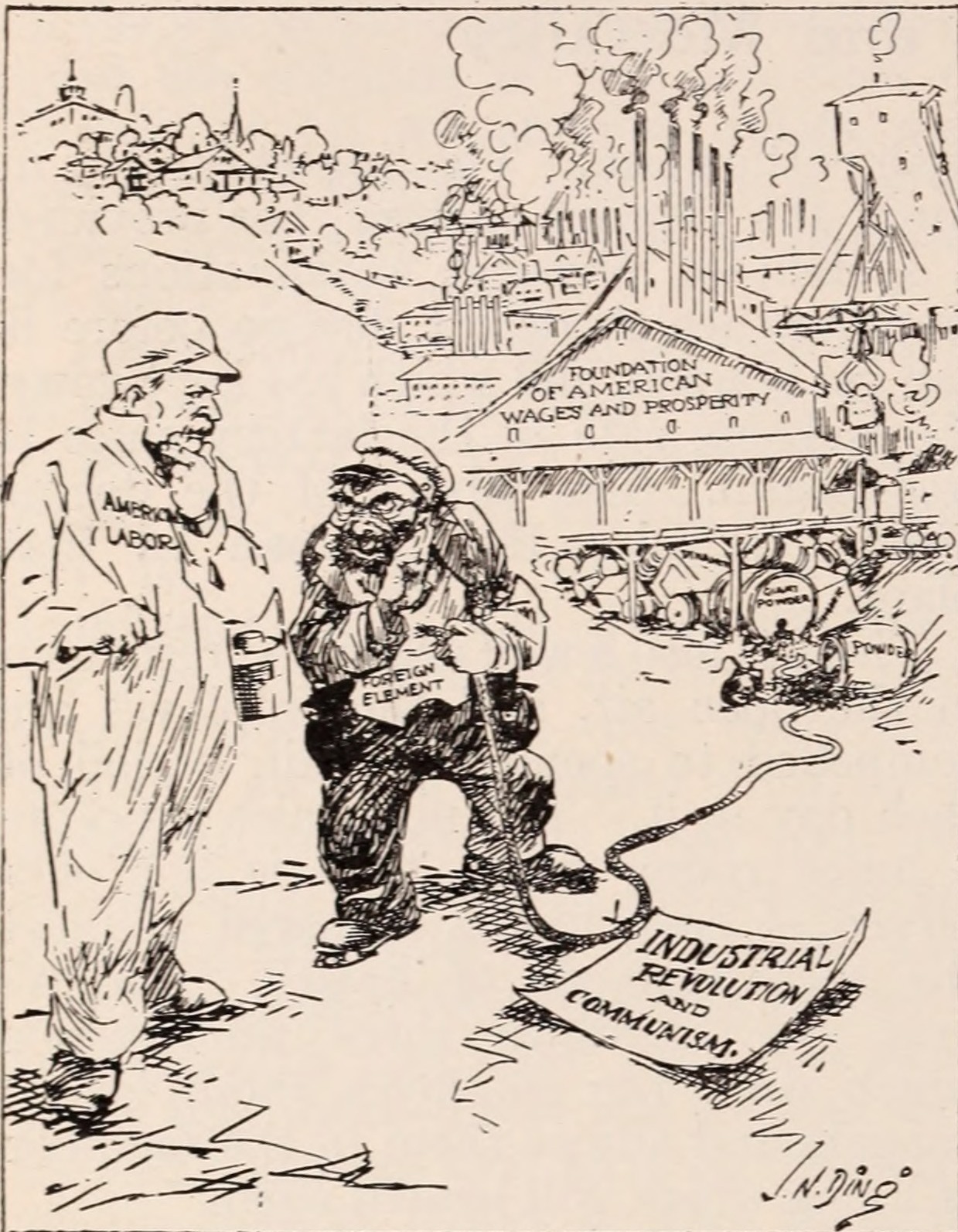


Characteristics and common manifestations
Xenophobic attitudes may be expressed in many ways, from personal avoidance and verbal abuse to discriminatory hiring, housing restrictions, or discriminatory legislation. Typical manifestations include:
- Negative stereotypes and dehumanizing language directed at migrants, ethnic minorities, religious groups, or other minorities.
- Hostile political rhetoric that blames outsiders for social or economic problems.
- Social exclusion, harassment, or violence targeted at people perceived as foreign.
- Institutional practices that limit access to services, citizenship, or equal protection.
Historical background and notable examples
Fear of outsiders has been recorded across many societies and periods. Ancient societies often distinguished sharply between in-group and out-group, sometimes treating foreigners as culturally or morally inferior. In more recent centuries, xenophobic attitudes influenced colonial policies, immigration restrictions, and nationalisms that sought to define citizenship narrowly. In the contemporary era, xenophobia can be visible in anti-immigrant movements, sectarian hostility, and targeted prejudice such as Islamophobia or antagonism toward particular nationalities.
Causes and contributing factors
Xenophobia typically arises from a combination of psychological, social and political factors. Perceived economic competition, rapid demographic change, political leaders’ rhetoric, and fears about cultural identity can intensify suspicion of outsiders. Media narratives and misinformation can amplify anxieties. Migration flows and debates about immigration sometimes become focal points for xenophobic sentiment, though migration alone does not determine whether xenophobia will increase.
Consequences and legal frameworks
The social impacts of xenophobia include reduced social cohesion, human rights violations, and harm to targeted communities’ physical and mental well-being. Many international and national frameworks oppose discrimination; for example, the principles articulated in the Vienna Declaration emphasize equal rights and tolerance. Key declarations and institutions involved in promoting these standards include the Vienna Declaration and multilateral bodies such as the United Nations. These documents and organizations advocate for human rights protections and policies that foster toleration and nondiscrimination.
Responses, prevention and practical measures
Reducing xenophobia usually requires a mix of legal safeguards, education, community engagement and responsible public discourse. Effective measures include enforcing anti-discrimination laws, promoting inclusive curricula, supporting intercultural contact and dialogue, countering misinformation, and encouraging political leaders and media to avoid inflammatory language. Civil society, schools, employers and governments each have roles to play in promoting respect for diversity and protecting vulnerable groups from exclusion and harm.
Related articles
Author
AlegsaOnline.com Xenophobia: definitions, causes, history, impacts and responses Leandro Alegsa
URL: https://en.alegsaonline.com/art/109455