
Western New Guinea (Indonesian Papua)
Western New Guinea is the western half of New Guinea island, administered by Indonesia as provinces often called Papua and West Papua; it is noted for diverse peoples, rich ecology, and a contested political history.
Overview
Western New Guinea is the western portion of the island of New Guinea, separated administratively and politically from the independent state to its east. Today this large, mountainous region is administered by the Republic of Indonesia as part of its provincial system; its inhabitants and observers commonly refer to the territory variously as Papua, West Papua, or more broadly as West Papua in political discussion. The region is culturally and biologically distinct from much of Indonesia and is home to hundreds of indigenous languages and societies.
Image gallery
10 Images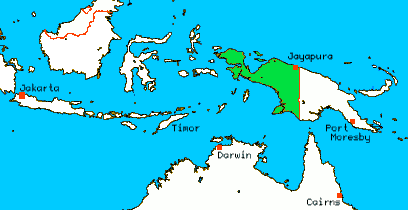



Geography and natural importance
Geographically the area includes tropical lowlands, extensive rainforests, rugged interior highlands and alpine environments on the central cordillera. This complex terrain contributes to exceptional biodiversity: New Guinea as a whole is among the most species-rich islands on Earth, with many endemic plants, birds, and mammals. Large tracts of forest remain, though logging, mining and infrastructure projects have increased in recent decades.
People, languages and society
The population of Western New Guinea is ethnically and linguistically diverse. Indigenous Papuan peoples practise a range of livelihoods from horticulture in the highlands to fishing and sago production along the coast. Indonesian transmigration programs and urban migration have increased demographic change, bringing Indonesian languages and cultures into closer contact with local communities. Social issues include debates over land rights, the protection of customary systems, and access to services under provincial administration.
Names, historical background and political status
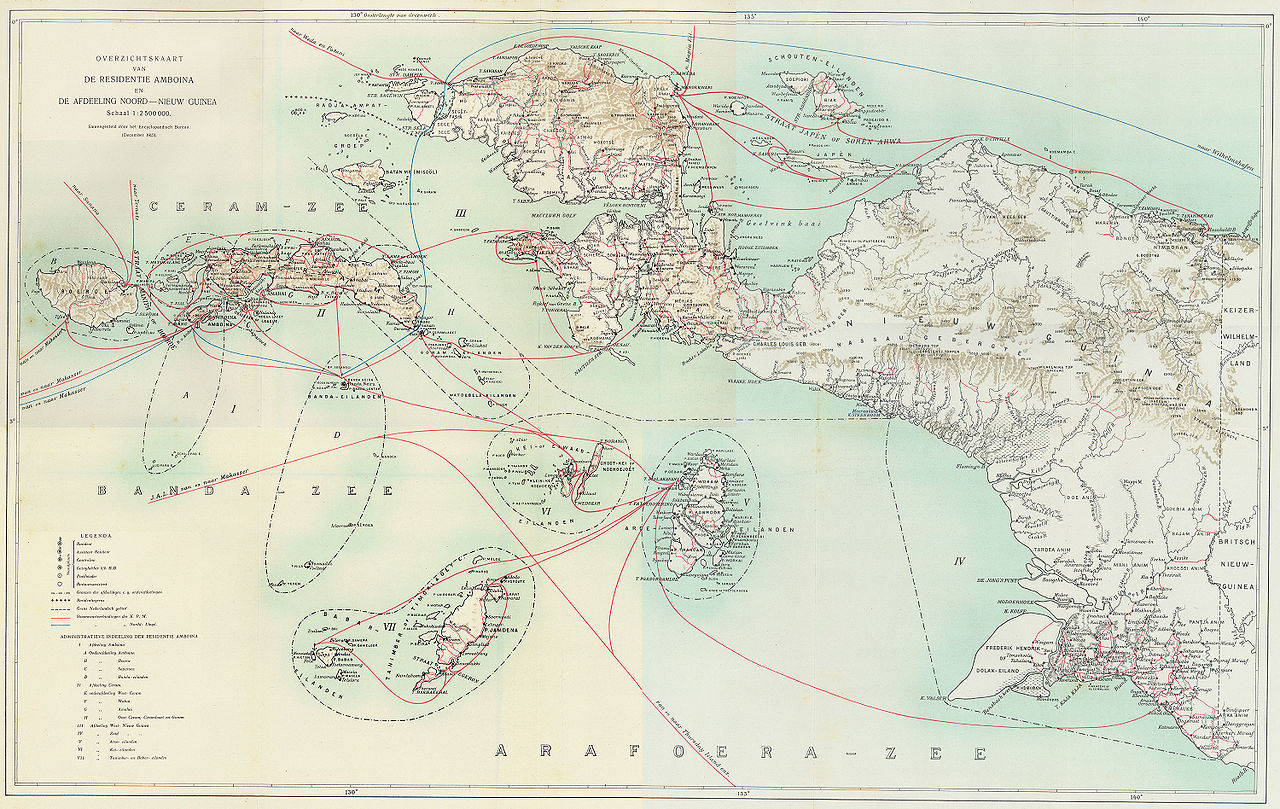
Administratively the territory has had several names and statuses. During colonial times it was known as Netherlands New Guinea. After transfer of administration in the 1960s the area was incorporated into Indonesia following a process culminating in 1969 that Indonesian authorities call the Act of Free Choice. The outcome and procedures have been disputed by some international observers and by pro-independence groups, who often use the name West Papua. Indonesian governance has evolved through changes in provincial boundaries and laws: the central government recognizes provinces (the administrative unit referred to here as province) in the territory, and national legislation has created special autonomy arrangements intended to address local concerns.
Economy, resources and development
Economically, Western New Guinea contains substantial natural resources, including mineral deposits, timber and fisheries. Large-scale mining and extractive projects have attracted international investment and controversy, particularly where projects affect indigenous lands and ecosystems. Development policies have focused on infrastructure, education and health, but disparities remain between urban centers and remote highland or forest communities.
Contemporary issues and international relations
Political claims and human-rights concerns have kept Western New Guinea visible in international discussion. Some indigenous groups and activists press for greater autonomy or independence, while the Indonesian state emphasizes territorial integrity and national law. The neighboring independent sovereign state of Papua New Guinea shares the island’s eastern half and a long land border with Indonesian-administered provinces; bilateral relations and cross-border ties affect local communities and conservation efforts. International observers and local actors continue to debate pathways toward improved governance, development and protection of the region’s cultural and natural heritage.
- Former names: Netherlands New Guinea, West Irian, Irian Jaya.
- Key topics: biodiversity, indigenous rights, resource extraction, autonomy arrangements.
- Neighboring state: Papua New Guinea.
Related articles
Author
AlegsaOnline.com Western New Guinea (Indonesian Papua) Leandro Alegsa
URL: https://en.alegsaonline.com/art/107526