
Wembley Arena
Historic indoor arena in Wembley, London, opened in 1934 as the Empire Pool. Now a multi‑purpose performance and sporting venue seating around 12,000 with a long live‑music history.
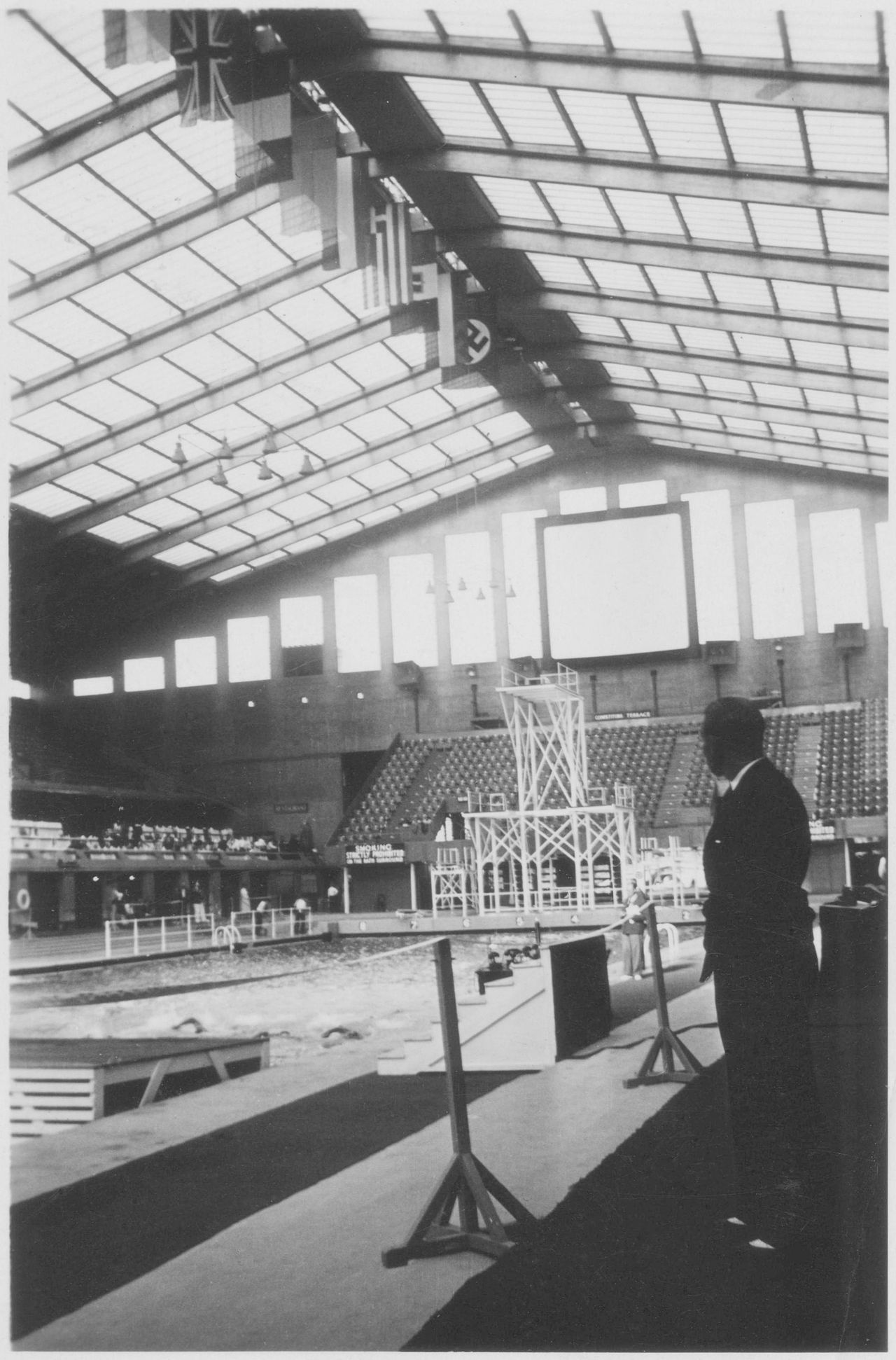
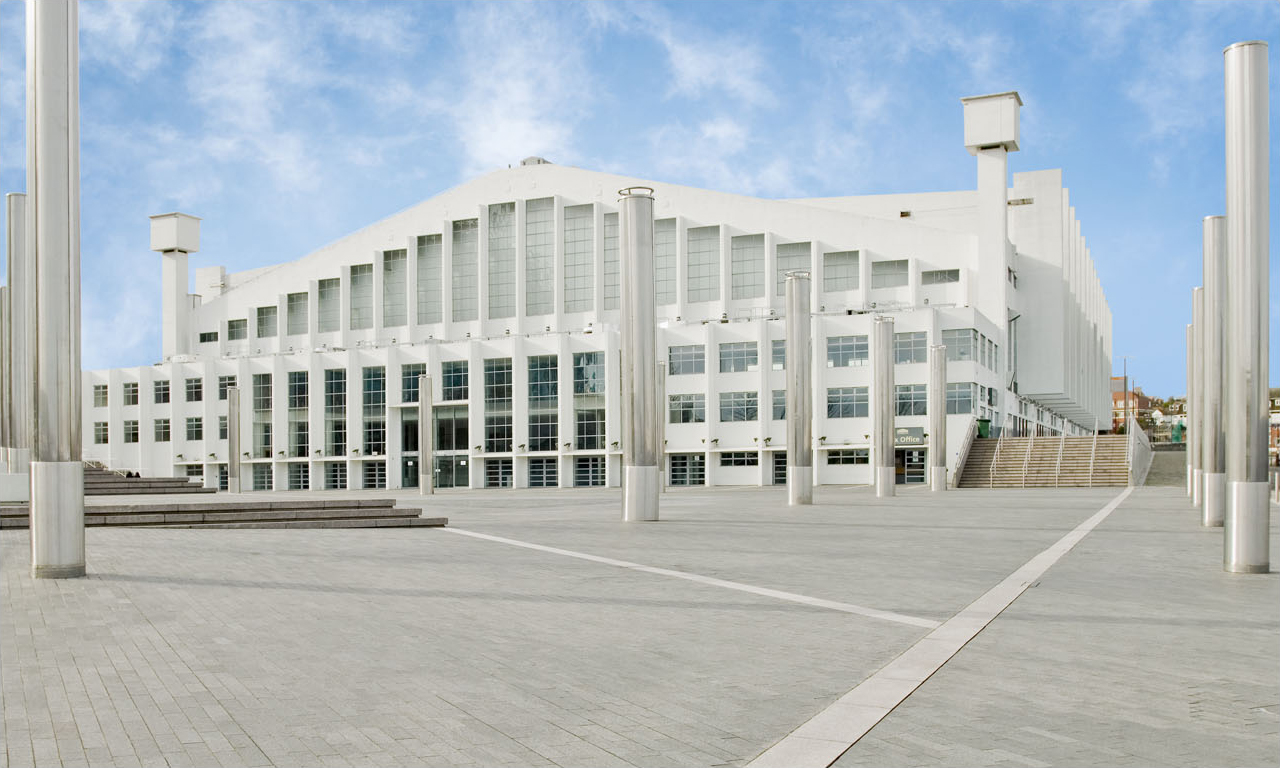
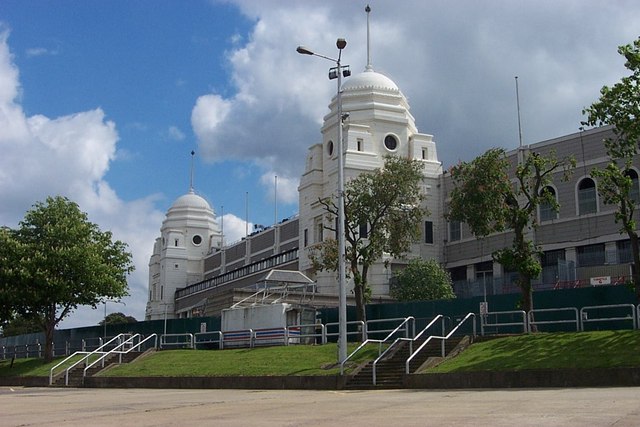
Wembley Arena is a well‑known indoor arena located in the Wembley district of Wembley, London, England. It stands beside the national Wembley Stadium and forms part of a major sports and entertainment complex. Built in 1934, the venue was originally known as the Empire Pool and was constructed for the British Empire Games; it has since been adapted to host a wide variety of public events.
Image gallery
9 Images



Architecture and layout
The building is notable for a broad, clear internal span and an arched roof that permit unobstructed sightlines from many seating configurations. The original design enclosed a large swimming pool, which defined the hall's volume and shape; when the pool was removed and the floor level altered the interior allowed more flexible staging and acoustic treatment. The arena typically accommodates around twelve thousand spectators, though capacity varies by seating layout and production requirements.
History
Completed in 1934 as the Empire Pool, the venue served local and national sporting needs and later became a regular site for entertainment. It was used as a venue during the 1948 Summer Olympics rather than as the main stadium. In 1978 the building was officially renamed Wembley Arena as its role shifted toward concerts and large public shows. A major refurbishment in the 2000s upgraded technical systems, backstage facilities and audience amenities to meet modern touring standards.
Programming and events
For many decades the arena has presented a broad programme: headline concerts, club shows, televised events, indoor sports, family touring productions and awards ceremonies. It has become one of the country's best‑known music venues, regularly hosting international artists across many genres of popular and classical music. The adaptability of the space makes it suitable for both standing floor shows and seated performances.
Significance and context
Wembley Arena's longevity reflects changing patterns in urban leisure and live entertainment: from a civic sports hall to a specialist performance venue. Its proximity to national transport links and to Wembley Stadium has helped sustain its high profile. Promoters value the arena for its combination of capacity, historic character and technical adaptability, which ensures it remains a frequent stop on international tours and a favored venue for one‑off events.
Access and visitor information
The venue is accessible by rail and underground services serving the Wembley area and is within walking distance of several local stations; event visitors are advised to consult official transport guidance and the arena's management for current access arrangements and facilities. Organisers often choose the site for its logistical advantages close to central London while offering a distinct indoor alternative to larger outdoor stadiums.
Though adapted many times, the building continues to be valued for its historical origin as the Empire Pool and for a sustained record of hosting significant public spectacles. Its role in London's cultural life combines historical interest with ongoing commercial and artistic use, making Wembley Arena an enduring fixture of the city's entertainment landscape.
Related articles
Author
AlegsaOnline.com Wembley Arena Leandro Alegsa
URL: https://en.alegsaonline.com/art/107249
Sources
- engineering-timelines.com : "Empire Pool, now Wembley Arena"
- commons.wikimedia.org : Wembley Arena