
Winter Palace (St. Petersburg): Imperial Residence and Core of the Hermitage
Former imperial residence on the Neva in St. Petersburg, rebuilt in the 18th–19th centuries and now the central building of the State Hermitage Museum, renowned for its architecture and world-class collections.
Overview
The Winter Palace sits on the banks of the Neva River in St. Petersburg, Russia. For nearly two centuries it was the principal residence of the Russian tsars and a symbol of imperial power. Today the palace is the most visible and historic part of the State Hermitage Museum (Hermitage), housing ceremonial rooms and exhibition galleries that attract millions of visitors each year.
Image gallery
10 Images





Architecture and layout
Constructed in the mid-18th century and completed in stages, the Winter Palace presents an extensive Baroque façade painted in characteristic green and white. Its long frontage faces the Neva and is punctuated by ornate pilasters, sculptural groups and richly decorated cornices. The layout combines grand state apartments, private chambers and service wings around formal courtyards. Prominent architects and master builders contributed to its shape and decoration; later 19th‑century work refined interior circulation, heating and decoration to suit evolving imperial requirements.
History and major events
The present palace was largely erected between 1754 and 1762 and subsequently altered to reflect changing tastes and functions. A catastrophic fire in 1837 damaged significant interior fabric; under Tsar Nicholas I the palace was comprehensively repaired and refitted, with many reception rooms receiving new decoration and updated structural elements. The Winter Palace also played a central role during the revolutionary events of 1917. In the wake of the October insurrection the building ceased to be a private imperial residence and was placed under state control.
From royal residence to museum
Almost immediately after the upheavals of 1917 the Winter Palace's state rooms and art holdings were reorganized within the expanding public museum complex known as the Hermitage. Formal declarations transferred responsibility for the palace and its contents to the museum administration, and over the following decades the building became both an exhibition space and a preserved historic interior illustrating imperial ceremonial life. The name "Winter Palace" is commonly used today to identify the palace building within the greater museum ensemble and to describe the former royal apartments now open to the public.
Collections, rooms and visitor experience
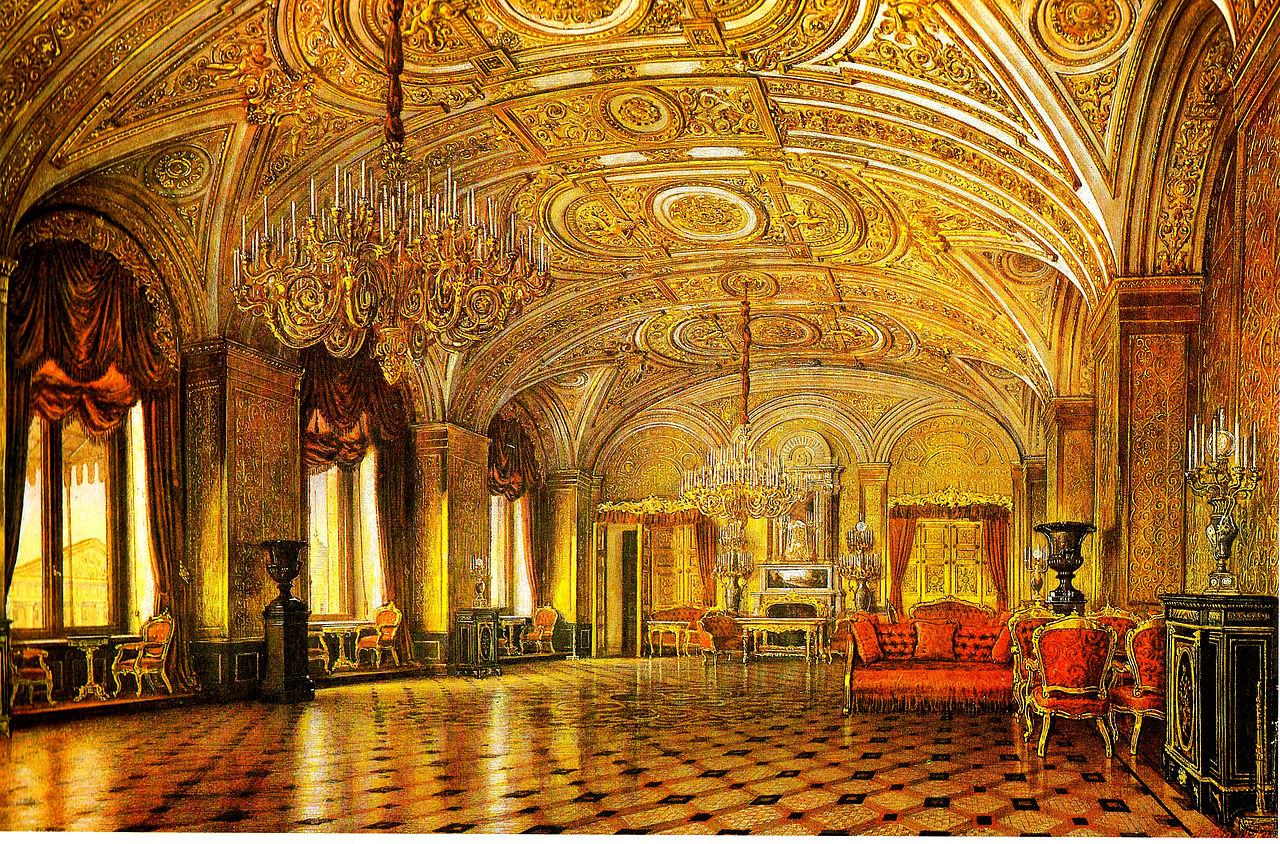
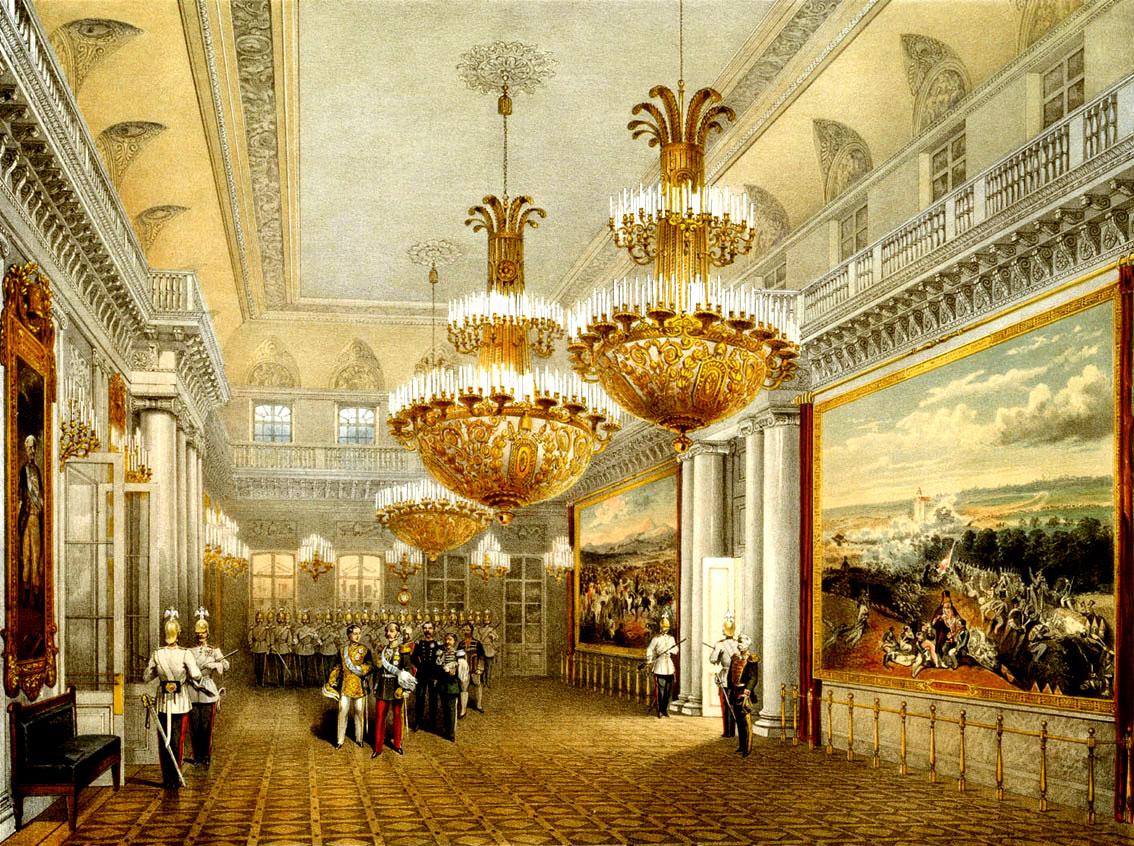
The Winter Palace contains a mixture of preserved state rooms and galleries for painting, sculpture and applied arts. Typical highlights include the grand throne and reception halls, richly ornamented staircases, and galleries displaying Old Masters and decorative collections. Visitors encounter a sequence of interiors that combine architectural splendor with curated displays. Many tours emphasize the contrast between public ceremonial spaces and the more intimate private apartments.
Notable facts and distinctions
- The palace is an integral part of a larger museum complex that spans several connected buildings; together they form one of the world’s major art museums.
- Its dramatic riverfront elevation is one of the most photographed sights in St. Petersburg.
- Conservation work is ongoing to maintain ornate interiors and accommodate changing museum standards and visitor needs; researchers continue to study its construction phases and furnishings.
- For more detailed historical and visitor information, see institutional resources about the Winter Palace and the former Russian imperial residences compiled by cultural authorities and museums.
Related articles
Author
AlegsaOnline.com Winter Palace (St. Petersburg): Imperial Residence and Core of the Hermitage Leandro Alegsa
URL: https://en.alegsaonline.com/art/108633