
Music venue: types, features, history and cultural roles
A music venue is any place where live music is presented. This article explains common types, physical features, historical development, uses, and distinctions important to performers, promoters, and audiences.
Overview
A music venue is any location designed or adapted for live musical performance. It ranges from intimate club rooms and house stages to large arenas and outdoor festival fields. Venues shape the experience of performers and listeners through size, layout, acoustic treatment, and available technology.
Image gallery
9 Images



Common characteristics
- Performance area: a stage, floor pit, or open field where musicians perform.
- Audience space: seating, standing areas, balconies or terraces determining capacity and sightlines.
- Technical infrastructure: sound reinforcement, lighting, power distribution and often in-house mixing consoles.
- Backstage facilities: dressing rooms, loading docks, green rooms and storage for instruments and equipment.
Beyond these elements, venues may include box offices, bars, merchandising areas and accessibility features required by local regulations.
History and development
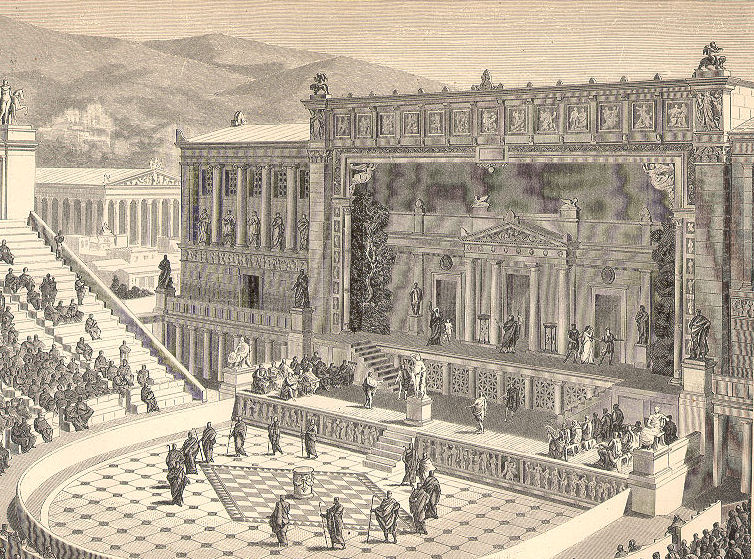
Places for musical performance have existed for centuries, from religious buildings and royal courts to public taverns and 19th-century music halls. The 20th century saw the rise of purpose-built concert halls, jazz clubs, rock clubs and stadium shows, driven by amplification technology and touring economics. In recent decades, festivals and outdoor sites expanded options while digital streaming added hybrid and virtual venues.
Uses and importance
Venues serve cultural, social and economic functions: they give artists a platform to present work, support local scenes, create community gathering points and generate income through ticket sales and concessions. Promoters and booking agents match acts to venue sizes appropriate for an artist’s audience, and sound and staging choices often determine the artistic character of a show.
Types and notable distinctions
- Clubs and pubs — intimate, often capacity under a few hundred.
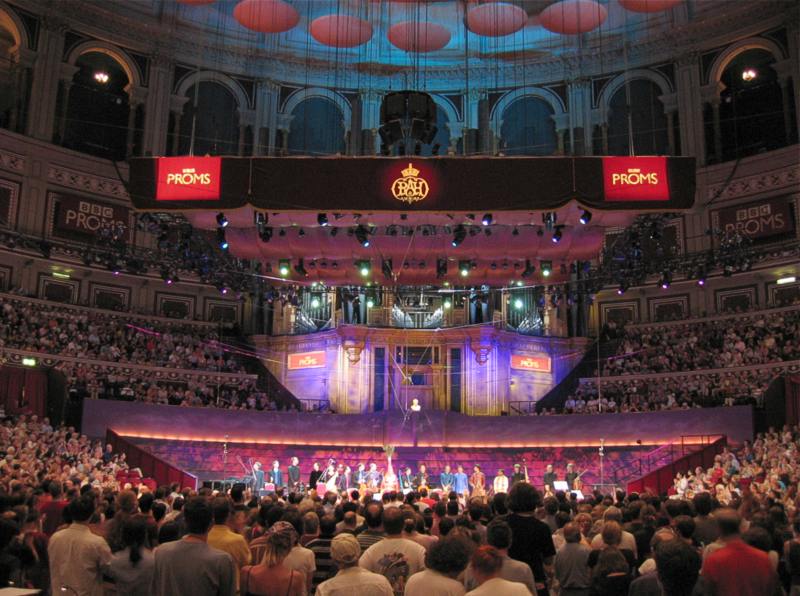
- Theatres and concert halls — seated acoustical designs for classical and theatrical presentations.
- Arenas and stadiums — large-capacity venues for major touring acts and sporting events.
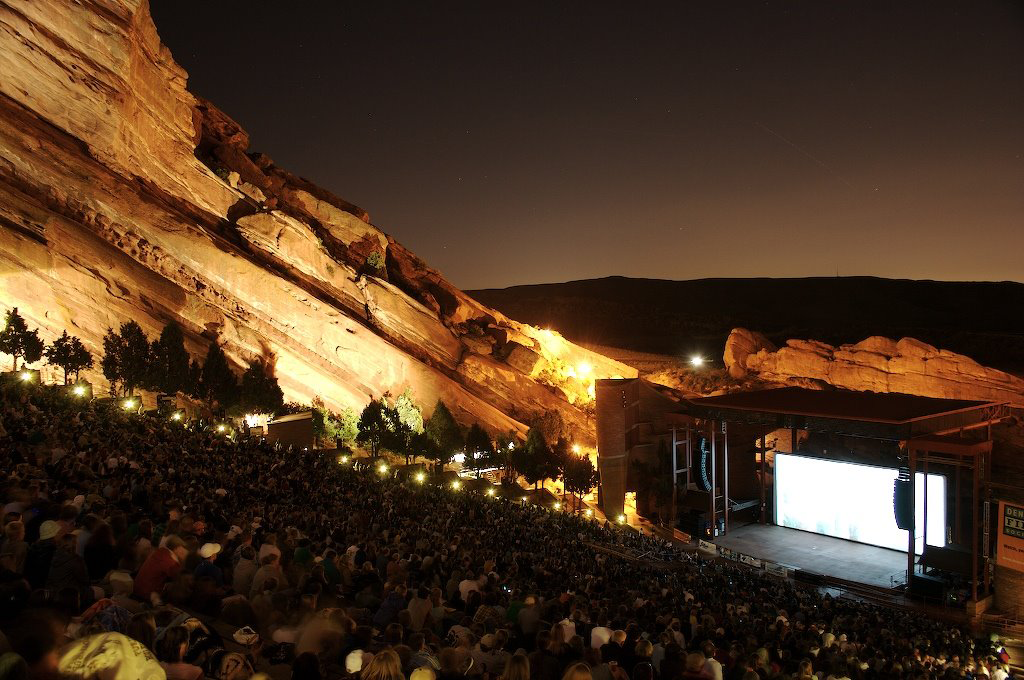
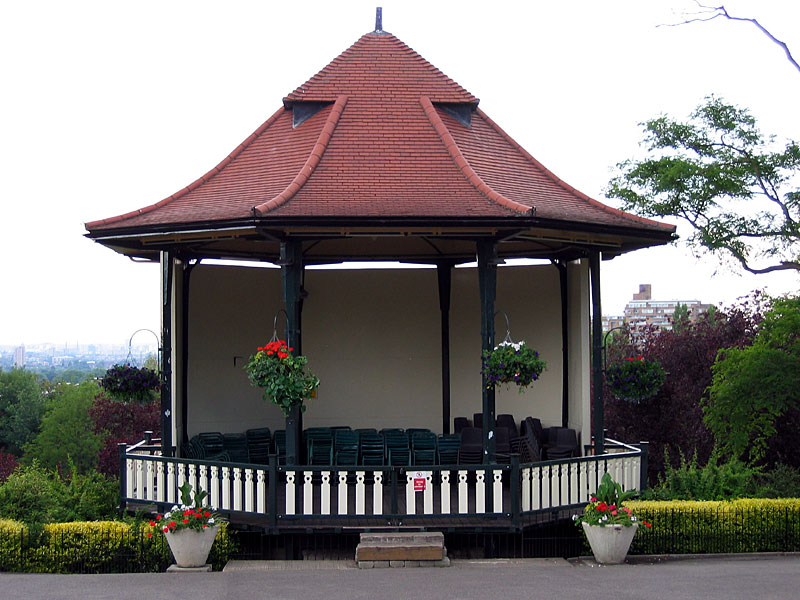
- Amphitheatres and outdoor sites — seasonal and festival-focused spaces.
- Alternative spaces — houses of worship, community centers, and pop-up/temporary venues.
Regulatory matters such as licensing, noise restrictions and safety rules influence operation and programming. For booking, promotion and industry standards see trade resources, for searchable listings consult venue directories, for technical guidance use published production guides like technical manuals, and for touring logistics refer to industry networks.
Related articles
Author
AlegsaOnline.com Music venue: types, features, history and cultural roles Leandro Alegsa
URL: https://en.alegsaonline.com/art/67761