
Arena: design, history, uses and distinctions
An arena is a purpose-built venue with seating encircling a central performance or competition area. This article explains its design, history, uses, and how it differs from stadiums and amphitheaters.
An arena is a built environment in which a central performance or competition area is surrounded on all sides by spectator seating. Many arenas are roughly circular or oval in plan so that spectators have short sightlines to the central space, which is typically the lowest level to improve visibility. Arenas are used for a wide range of activities, from sporting contests and ice hockey to concerts and large assemblies; they are sometimes described as a hybrid of a concert hall and a sporting venue.
Image gallery
10 Images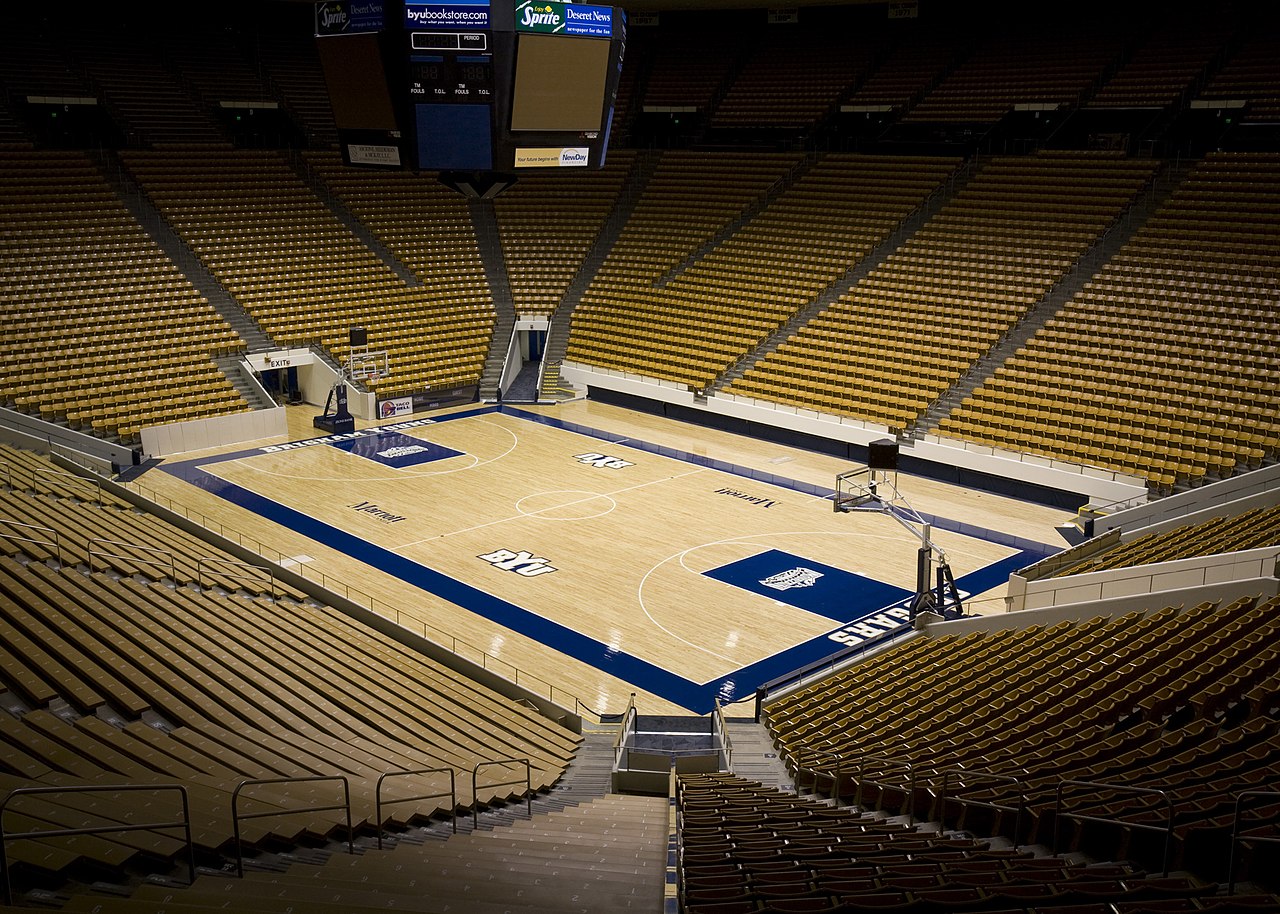



Typical characteristics
Arenas commonly feature bowl-shaped seating tiers, multiple entry gates, and flexible floor areas that can be adapted for different events. Key design concerns include sightlines, acoustics, lighting, crowd circulation, and the provision of amenities such as restrooms, concessions, and VIP boxes. Some arenas are purpose-built for a single sport or activity, while others are multipurpose with removable seating, retractable roofs, or modular floor systems.
History and development
The concept of enclosing spectators around a central event space has deep roots. Ancient amphitheaters and arenas provided model ideas for arranging seating and controlling access. Modern indoor arenas emerged with the growth of organized sport and large-scale entertainment in the 19th and 20th centuries, evolving with advances in structural engineering, lighting, and audio-visual technology. In some countries the word arena is commonly used for an indoor stadium, while other languages may differentiate by size and function.
Uses and notable examples
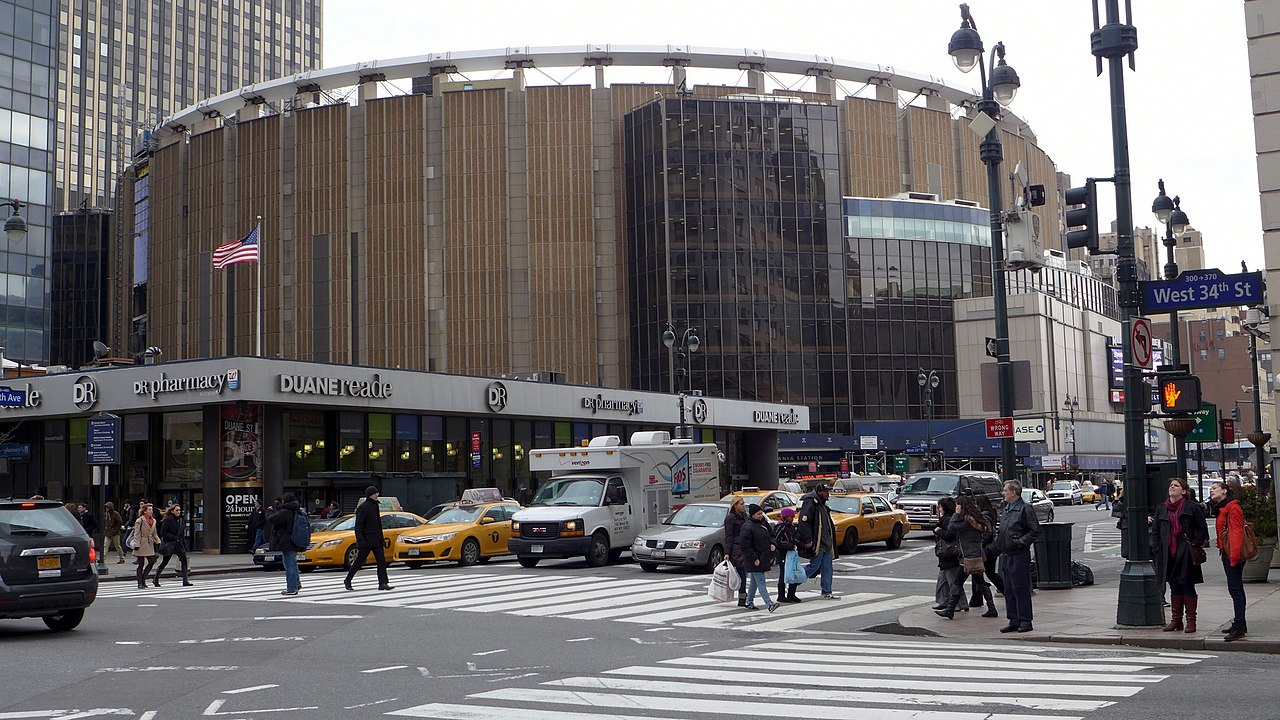
Arenas serve competitive sports (basketball, ice hockey, indoor athletics), concerts, political rallies, rodeos, and conventions. Famous large-capacity venues often cited as arenas or arena-like include Madison Square Garden and, by contrast as a large open bowl for football, the Rose Bowl. The term varies by region; for example, in the United States arena commonly means a covered, multiuse indoor venue.
Design elements and distinctions
- Sightlines: seating graded so most seats have a clear view of the central area.
- Acoustics: shaped and treated surfaces to manage sound for speech and music.
- Circulation: concourses and exits sized for rapid ingress and egress to meet safety codes.
- Flexibility: removable floors, staging, and seating for quick event changeovers.
It is useful to distinguish arenas from stadiums and amphitheaters: stadiums are often larger, primarily outdoor, and designed for field sports with an elongated pitch; amphitheaters historically had open-air settings and semi-circular seating; theaters prioritize stage sightlines and acoustics for smaller audiences. Modern venue designers balance these differences to meet the needs of performers, teams, and audiences while conforming to safety and accessibility standards.
Related articles
Author
AlegsaOnline.com Arena: design, history, uses and distinctions Leandro Alegsa
URL: https://en.alegsaonline.com/art/5422
Sources
- telegraph.co.uk : The lemon Dome that was transformed into O2's concert crown
- commons.wikimedia.org : Indoor arenas