
Wharf: structure and uses of waterfront loading facilities
A wharf is a fixed platform built along a lake, river or sea to allow ships to load and unload. This article explains design, types, history, uses and environmental and legal aspects.
Overview
A wharf is a permanent waterfront structure that enables vessels to moor alongside so cargo and passengers can be transferred safely and efficiently. Wharves are found on a lake, a river or the sea and provide a stable edge between land and water for handling goods, vehicles and people.

Image gallery
10 Images






Design and main components
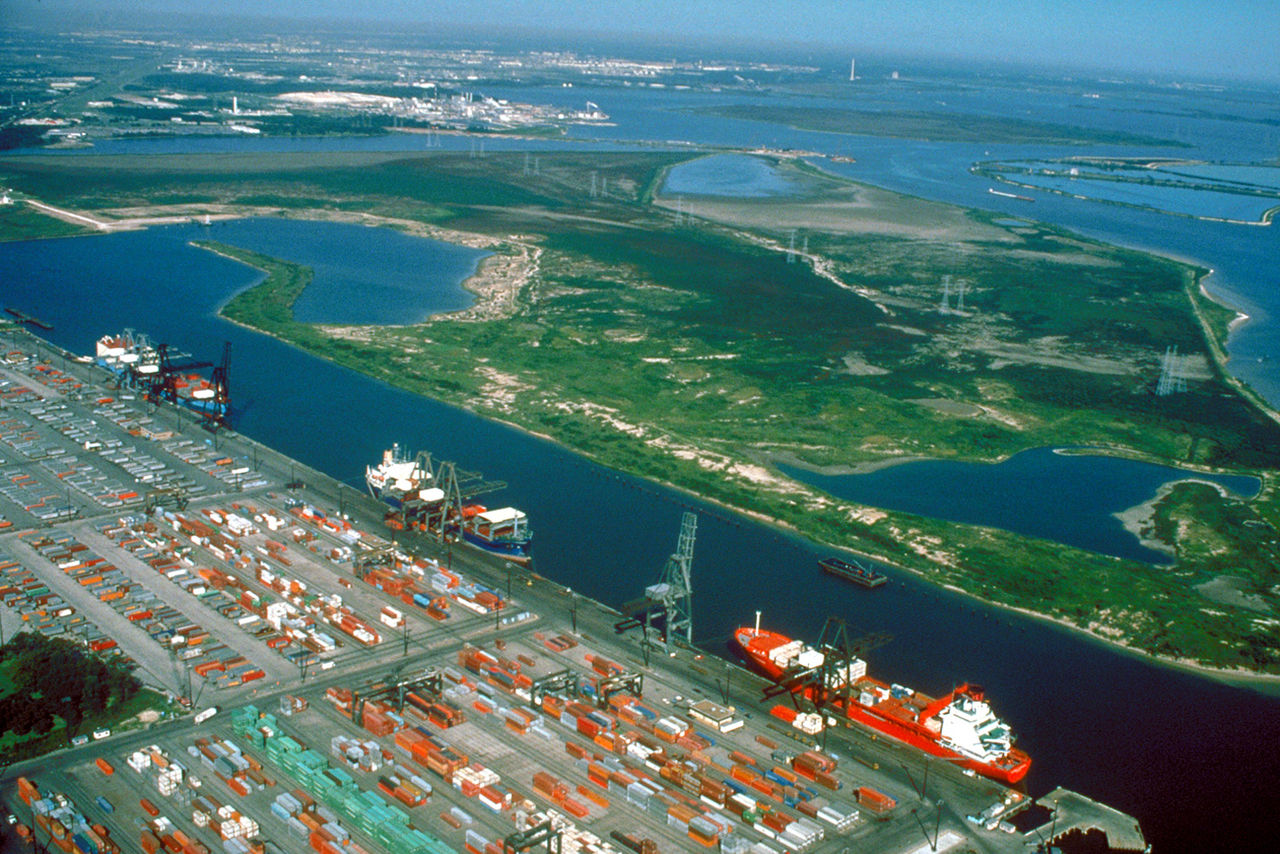
Typical elements include a deck or platform, piles or bulkheads that resist water forces, fenders and bollards for securing craft, and ramps or cranes for moving freight. Modern wharves often integrate utilities, storage areas and road or rail connections.
- Deck: working surface for loading and unloading
- Piles/bulkhead: structural support
- Fenders and mooring points: protect vessels and hold them in place
Types and distinctions
Wharves vary by use and form: freight wharves, passenger terminals, fishing piers and leisure pontoons. They differ from piers (which may extend into deep water) and quays (continuous embankment structures), though the terms are sometimes used interchangeably.

History and development
Simple landing places have existed since antiquity. Over centuries wharves evolved with ship technology and trade patterns; industrial-era masonry and timber wharves gave way to reinforced concrete and specialized container terminals in the 20th century. Urban redevelopment has also transformed former industrial wharves into mixed-use waterfronts such as Canary Wharf in London.
Uses, management and notable issues
Wharves serve cargo transfer, passenger services, fishing and recreation. They are managed by port authorities, private operators or municipalities and involve safety, tidal and environmental considerations. Maintenance and dredging are recurring needs, and contemporary planning increasingly weighs habitat impacts and public access when upgrading waterfronts.
Further context
Examples and technical specifications vary by country and waterway. For local regulations, construction standards and operational guidance consult port authorities or specialized references for ship handling and marine engineering, and resources on inland and coastal navigation provide practical details for specific sites.
Related articles
Author
AlegsaOnline.com Wharf: structure and uses of waterfront loading facilities Leandro Alegsa
URL: https://en.alegsaonline.com/art/107652