
Wave power: harnessing energy from ocean surface waves
Wave power captures the energy of ocean surface waves and converts it into electricity, fresh water, or mechanical work. It is a renewable but still developing technology with distinctive devices and challenges.
Overview
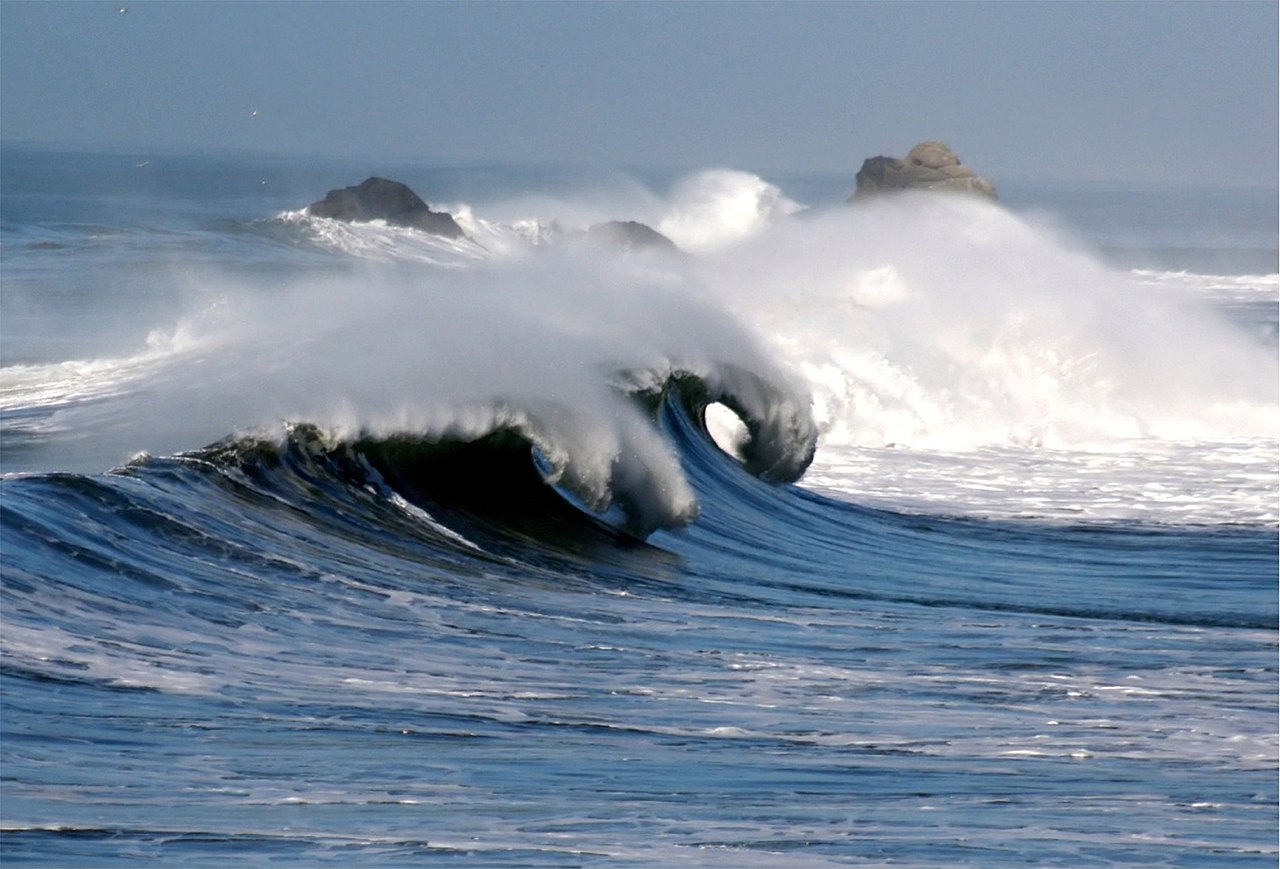
Wave power is the capture and conversion of energy contained in ocean surface waves into forms that can perform useful work. Waves store and transport energy across the sea surface; that energy can be extracted to produce electricity, supply power for coastal installations, assist with desalination, or directly pump water onshore.
Image gallery
10 Images






Principles and components
The basic principle relies on the kinetic energy and potential energy of moving water driven by wind. Devices convert vertical heave, horizontal surge, or pressure changes into mechanical motion and then into electricity or hydraulic power. Key components include a wave energy absorber, a power take-off system, moorings and anchors, and often transformers or storage for grid connection.
Types of devices
- Point absorbers: floating buoys that move with the waves and drive generators.
- Attenuators: long structures aligned with wave direction that flex and convert motion to power.
- Overtopping devices: capture water in reservoirs and release it through turbines.
- Oscillating water columns and pressure systems: use trapped air to drive turbines.
History and development
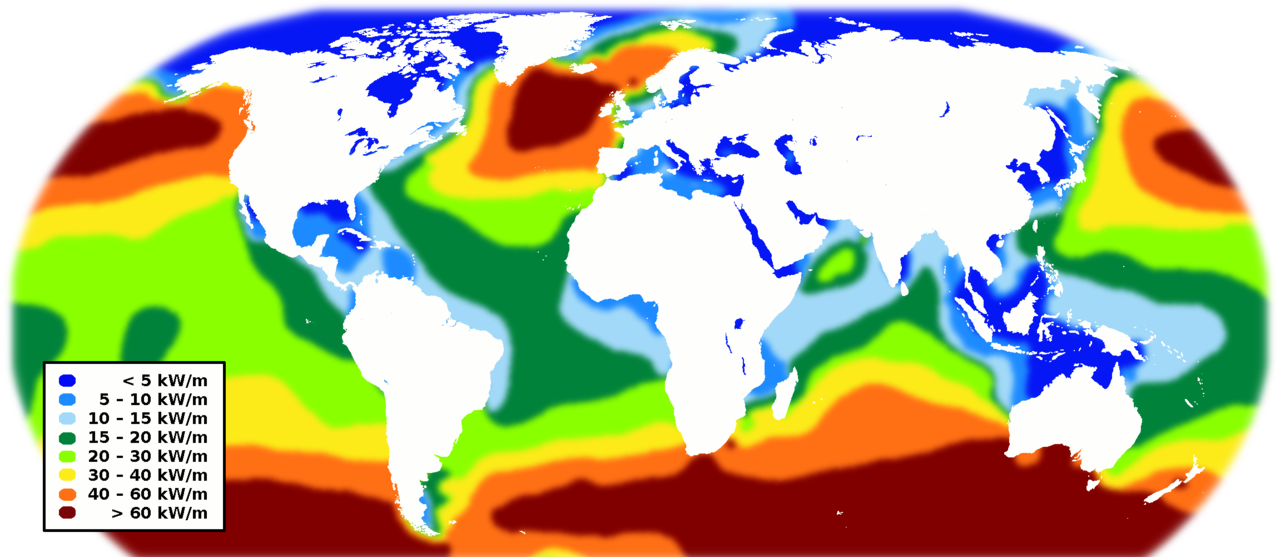
Interest in wave power dates back more than a century, with experimental prototypes evolving into a variety of commercial concepts. Demonstration projects in places with strong wave climates—such as parts of northern Europe—have shown feasibility, but the technology remains less mature than other renewable energy technologies. It is distinct from tidal systems and in many regions can offer higher energy density than tides.
Uses, advantages and challenges
Wave energy can produce clean power close to shore, reduce reliance on fossil fuels, and complement other sources like wind power. Advantages include predictable short-term output and relatively small visual footprint for some devices. Challenges are harsh marine environments, maintenance costs, environmental and navigation impacts, and the need for robust, cost-effective converters and grid integration.
Notable facts and outlook
Several national research programs and private developers continue to refine designs, focusing on survivability, efficiency and lowering lifecycle costs. As component technologies and supply chains improve, wave power is expected to play a growing but variable role in coastal energy portfolios alongside wind and solar sources.
Related articles
Author
AlegsaOnline.com Wave power: harnessing energy from ocean surface waves Leandro Alegsa
URL: https://en.alegsaonline.com/art/106919