
Weir: river barrier, design, uses and environmental effects
A weir is a low barrier across a watercourse that controls flow and level. This article explains types, history, functions, ecological impacts and differences from dams, with common solutions for fish passage.
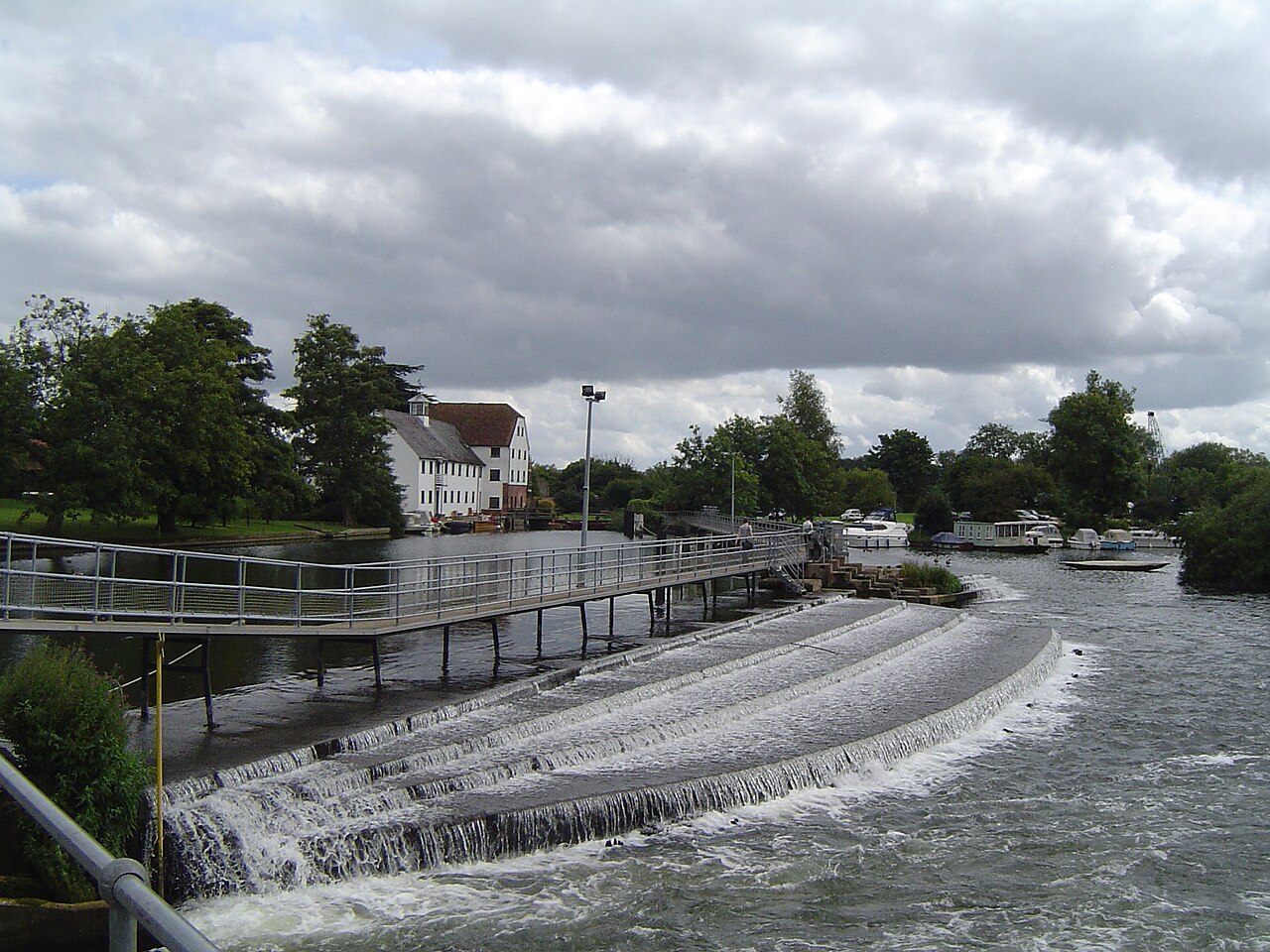
A weir is a small overflow barrier constructed across a stream or river to raise the upstream water level, measure discharge, or divert flow. Typically lower than a dam, a weir allows water to spill over its crest so the downstream flow is controlled rather than fully blocked. Weirs are found in landscapes ranging from engineered waterways to rural streams and urban drainage systems.
Image gallery
10 Images




Design and common types
Weirs vary by shape and purpose. Typical forms include broad-crested and sharp-crested weirs, ogee weirs shaped to fit spillway profiles, and V‑notch or rectangular weirs used for flow measurement. Many are constructed from concrete, stone, timber or sheet piling. Components include the crest (top edge), upstream pool, and downstream apron where energy is dissipated. Hydraulic behavior depends on crest geometry, approach velocity and tailwater level.
Functions, history and uses
Historically, simple weirs were used to divert water to mills and irrigated fields; mill weirs and fish weirs have existed for centuries. Modern uses include managing water levels for abstraction, creating small impoundments for recreation, stabilizing channels, and providing predictable conditions for water treatment works. Engineers also install calibrated weirs to measure discharge in open channels because flow over a known geometry can be related to volume per time.
Common practical benefits include low-cost control of flow and ease of construction. Because they normally permit overtopping, weirs are less likely to form large reservoirs than high dams, but they still influence downstream sediment transport and habitat conditions.
Environmental and ecological aspects
Weirs can impede movement of aquatic organisms. Fish and other species may be unable to cross high or steep weirs, which fragments habitats and affects migration. To reduce impact, designers use fish passes, bypass channels or rock ramps and include low-gradient or step designs. Sediment buildup upstream of a weir can alter spawning grounds and channel shape, so maintenance and ecological assessment are often required.
- Distinction from a dam: typically lower, allows continuous flow over crest, and creates smaller impoundments.
- Measurement role: V‑notch and rectangular weirs are standard in hydrology for gauging flow.
- Mitigation: fish ladders and engineered bypasses improve passage for fish.
For further technical or regional guidance on siting and designing a weir, consult river engineering references and local water authorities. General information about river systems and management can be found via resources on the term river.
Related articles
Author
AlegsaOnline.com Weir: river barrier, design, uses and environmental effects Leandro Alegsa
URL: https://en.alegsaonline.com/art/107167